
Gastritis Treatment in Seomyeon, Busan
Gastritis treatment addresses inflammation of the stomach lining, which can cause upper abdominal pain, nausea or indigestion, or no symptoms at all. In Seomyeon, internal medicine and gastroenterology clinics usually confirm it by gastroscopy, test for H. pylori, and prescribe acid-reducing or protective medicine for a few weeks while removing triggers such as painkillers and alcohol.
Independent patient guide · Medically informative, not a substitute for a doctor's advice · Last reviewed:
What is gastritis?
Gastritis (위염) means inflammation of the stomach lining. Acute gastritis comes on suddenly, often after alcohol, anti-inflammatory painkillers or an infection. Chronic gastritis develops over years, most often from H. pylori. Korean endoscopy reports frequently mention terms such as erosive gastritis (small surface breaks), atrophic gastritis (thinning of the lining) and intestinal metaplasia (the lining changing to resemble intestinal tissue). The last two are considered precancerous conditions, not cancer, and mainly call for regular monitoring.
Symptoms and when to see a doctor
- Burning or gnawing pain in the upper abdomen
- Nausea, bloating or feeling full quickly
- Loss of appetite
- An endoscopy report mentioning gastritis that you want explained
Vomiting blood or material like coffee grounds, black tarry stools, or severe abdominal pain needs emergency care; call 119.
What happens at the clinic
- History: the doctor reviews symptoms, alcohol, smoking, painkiller and supplement use, and family history of stomach cancer.
- Gastroscopy: often recommended to see the type and extent of inflammation, especially for persistent symptoms or patients over 40.
- H. pylori testing: by biopsy or breath test.
- Treatment: acid-reducing medicine and sometimes a protective agent; H. pylori is eradicated if present.
- Trigger removal: stopping or replacing NSAIDs and reducing alcohol are usually advised.
Treatment outlook
Acute and erosive gastritis usually settle within weeks once the trigger is removed. Chronic gastritis from H. pylori improves after eradication. Atrophic gastritis and intestinal metaplasia may not fully reverse, so periodic gastroscopy, often every one to two years based on your doctor's judgment, is used to catch any changes early.
Risks and side effects
Medicines are generally well tolerated. Untreated, some gastritis can lead to ulcers or bleeding, and long-standing atrophic changes slightly raise stomach cancer risk. Avoid self-treating with painkillers, which can worsen inflammation.
Choosing a clinic for gastritis treatment in Seomyeon
- Ask the doctor to explain each term on your endoscopy report in plain language.
- Confirm H. pylori testing is done and, if positive, that eradication is confirmed afterwards.
- If you have atrophic gastritis or metaplasia, ask what follow-up interval is recommended.
- Ask for alternatives if you take anti-inflammatory painkillers regularly.
- Request your endoscopy images and pathology report for your records.
About diet
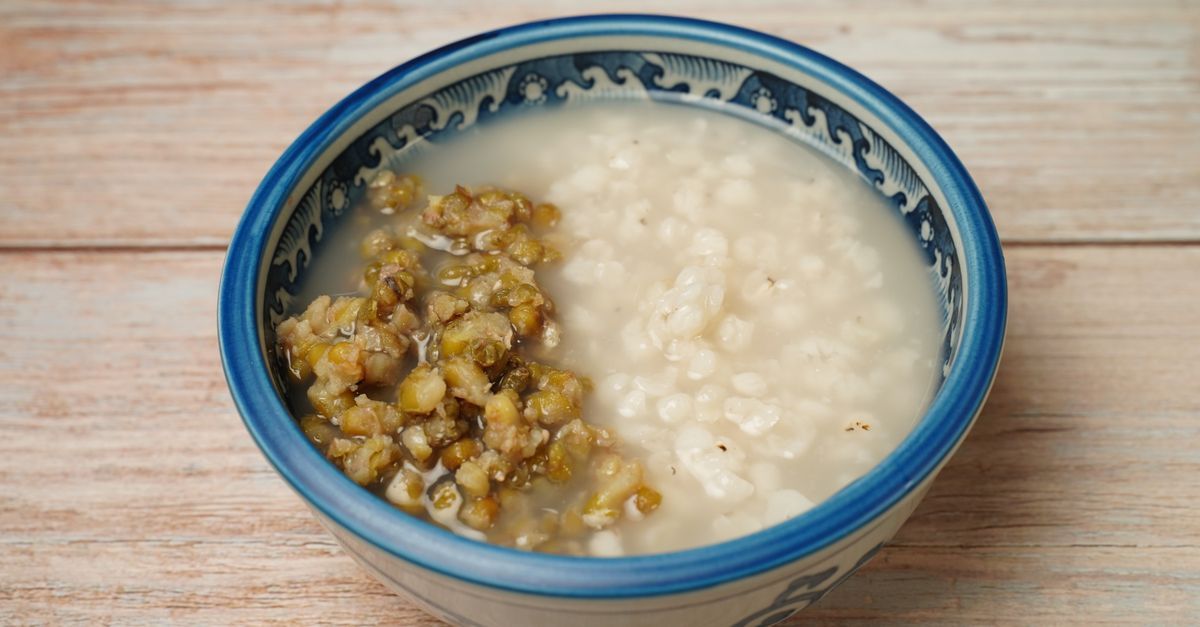
No single diet cures gastritis, but smaller meals, less alcohol, and going easy on very spicy, salty or fried foods help many people. Seomyeon's food streets offer plenty of milder options such as porridge (죽) and soups.
Key facts
- Types: acute, erosive, chronic superficial, atrophic gastritis, intestinal metaplasia
- Common causes: H. pylori, NSAID painkillers, alcohol, stress of severe illness
- Diagnosis: gastroscopy with biopsy or H. pylori test
- Treatment: acid suppression, mucosal protectants, H. pylori eradication if positive
- Typical course: 2–8 weeks of medicine
- Follow-up: regular endoscopy for atrophic gastritis or metaplasia
Frequently asked questions
What is atrophic gastritis?
It is long-term thinning of the stomach lining, usually caused by H. pylori. It often has no symptoms and is common on Korean endoscopy reports in middle-aged and older adults. It slightly increases stomach cancer risk, so regular endoscopy is advised.
Is intestinal metaplasia cancer?
No. It is a change in the stomach lining that is considered precancerous because it carries a higher risk than normal tissue. Most people with it never develop cancer, but regular endoscopic surveillance is recommended.
How long does gastritis take to heal?
Acute gastritis often improves within days to a few weeks once triggers are removed and medicine is started. Chronic gastritis takes longer, and atrophic changes may persist even after treatment.
What foods should I avoid with gastritis?
Alcohol, very spicy, fatty or fried foods, and large late meals commonly worsen symptoms. Coffee affects some people. Triggers vary, so keeping a food diary can help you identify yours.
Can stress cause gastritis?
Severe physical stress, such as major illness or surgery, can cause stress-related gastritis. Everyday psychological stress more often worsens indigestion symptoms than causes inflammation itself, but managing stress can still help.
Medical disclaimer: Seomyeon.Clinic is an independent information directory. Content is for general education and does not replace a consultation with a licensed physician. Suitability, risks, results and costs vary by person and clinic. In an emergency in Korea, call 119.