
Liver Function Test in Seomyeon, Busan
A liver function test (LFT) is a blood panel measuring liver enzymes such as AST, ALT, GGT and ALP, plus bilirubin and albumin, to detect liver inflammation, bile flow problems or reduced liver function. In Seomyeon, internal medicine and gastroenterology clinics draw blood in minutes, with results often the same or next day. Abnormal results are followed up with history, hepatitis tests and ultrasound.
Independent patient guide · Medically informative, not a substitute for a doctor's advice · Last reviewed:
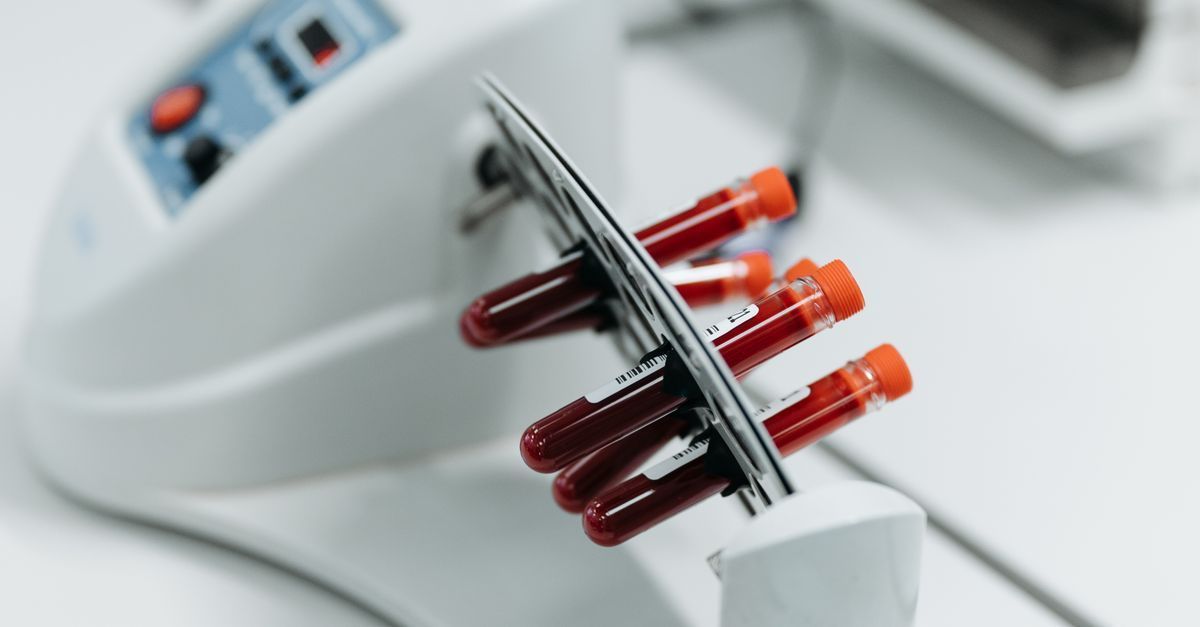
What is a liver function test?
Liver function tests (간기능 검사) are a group of blood tests. AST and ALT are enzymes released when liver cells are injured; ALT is more specific to the liver. GGT and ALP rise with bile duct problems, and GGT also rises with alcohol and some medicines. Bilirubin reflects how well the liver processes and excretes bile pigment, and albumin and clotting time (INR) reflect the liver's ability to make proteins. Together, the pattern helps the doctor narrow down causes.
Who is it for?
- People with an abnormal result on a health check-up
- Those with fatty liver, hepatitis B or C, or regular alcohol use
- Patients taking medicines that can affect the liver, such as statins, some antifungals, anti-tuberculosis drugs or long-term painkillers
- Anyone with symptoms such as yellow eyes, dark urine, pale stools, itching or right upper abdominal pain
- People taking herbal remedies or supplements, which can occasionally injure the liver
Yellowing skin with confusion, drowsiness or vomiting blood needs emergency care; call 119.
What happens at the clinic
- Brief consultation: the doctor asks about alcohol, medicines, supplements, weight and symptoms.
- Blood draw: a nurse takes a sample from your arm; fasting may be requested if glucose or lipids are tested at the same time.
- Results: enzymes are compared with reference ranges, and the pattern is interpreted.
- Follow-up tests if abnormal: hepatitis B and C serology, abdominal ultrasound, and sometimes iron, autoimmune or thyroid tests.
- Plan: lifestyle changes, medicine review, repeat testing in weeks to months, or referral.
Understanding your results
Mildly raised ALT and AST are common and often due to fatty liver, recent alcohol, intense exercise or medicines. A single abnormal result is usually repeated before conclusions are drawn. Very high enzymes, raised bilirubin, or low albumin need prompter investigation.
Risks and limitations
The blood test itself is very low risk. Its limitation is that normal results do not completely exclude liver disease; scarring can exist with normal enzymes, which is why ultrasound or liver stiffness testing may be suggested for people at risk.
Choosing a clinic for liver function testing in Seomyeon
- Choose a clinic where a doctor interprets the pattern, not just flags abnormal numbers.
- Check that hepatitis B and C testing and ultrasound can be done at the same clinic.
- Bring a full list of medicines and supplements, including herbal products.
- Ask for printed results to track trends over time.
- Ask whether liver stiffness measurement is available if you have risk factors.
Quick to arrange
An LFT takes only minutes. Clinics near Seomyeon Station, on both metro lines, often draw blood early so you can go to work afterwards.
Key facts
- Measures: AST, ALT, GGT, ALP, bilirubin, albumin; sometimes INR
- Procedure time: a few minutes for the blood draw
- Fasting: sometimes requested, especially with other tests
- Results: often same day to 1–2 days
- Common causes of abnormal results: fatty liver, alcohol, viral hepatitis, medicines and supplements
- Follow-up tests: hepatitis B and C, abdominal ultrasound, repeat LFTs
Frequently asked questions
What do high ALT and AST mean?
They indicate liver cell irritation or injury. Common causes include fatty liver, alcohol, viral hepatitis and certain medicines or supplements. The degree of elevation and pattern help the doctor decide what further tests are needed.
Do I need to fast for a liver function test?
A liver panel alone often does not require fasting, but clinics commonly request it if blood sugar or cholesterol are tested together. Follow the clinic's instructions.
Can exercise affect liver test results?
Yes. Intense exercise, particularly weight training, can raise AST and sometimes ALT temporarily due to muscle release. Avoid strenuous workouts for a day or two before testing.
What is GGT and why is it high?
GGT is an enzyme that rises with alcohol use, bile duct problems, fatty liver and some medicines. It is sensitive but not specific, so it is interpreted together with other results.
Can supplements damage the liver?
Some can. Certain herbal remedies, bodybuilding supplements and high-dose vitamins have been linked to liver injury. Tell your doctor about everything you take, including traditional or imported products.
Medical disclaimer: Seomyeon.Clinic is an independent information directory. Content is for general education and does not replace a consultation with a licensed physician. Suitability, risks, results and costs vary by person and clinic. In an emergency in Korea, call 119.