
Fatty Liver Treatment in Seomyeon, Busan
Fatty liver treatment is the assessment and management of excess fat stored in the liver, now often called MASLD or alcohol-related liver disease. In Seomyeon, internal medicine clinics typically combine liver blood tests with an abdominal ultrasound and sometimes a liver stiffness scan in one visit. Treatment centres on gradual weight loss, exercise and limiting alcohol, with follow-up every 6–12 months.
Independent patient guide · Medically informative, not a substitute for a doctor's advice · Last reviewed:
What is fatty liver?
Fatty liver means fat makes up an abnormally large share of the liver. The most common form is linked to excess weight, insulin resistance, type 2 diabetes and high triglycerides, and is now called metabolic dysfunction-associated steatotic liver disease (MASLD), previously NAFLD. Heavy drinking causes a similar picture. In some people, fat triggers inflammation (steatohepatitis) that can lead to scarring (fibrosis) and, over many years, cirrhosis. Treatment aims to stop and reverse that progression.
Symptoms and when to see a doctor
Most people have no symptoms; fatty liver is usually discovered on a check-up ultrasound or because ALT and AST liver enzymes are raised. Some notice tiredness or a dull ache under the right ribs. Book an assessment if:
- A health screening reported fatty liver (지방간) or high liver enzymes
- You have diabetes, obesity or metabolic syndrome
- You drink alcohol regularly and want to know your liver health
Yellowing of the eyes or skin, a swollen abdomen, vomiting blood or black stools need urgent hospital care.
What happens at the clinic
- History: alcohol intake, medicines, supplements, weight change and family history are reviewed.
- Blood tests: liver enzymes, hepatitis B and C screening, glucose or HbA1c, lipids and platelet count.
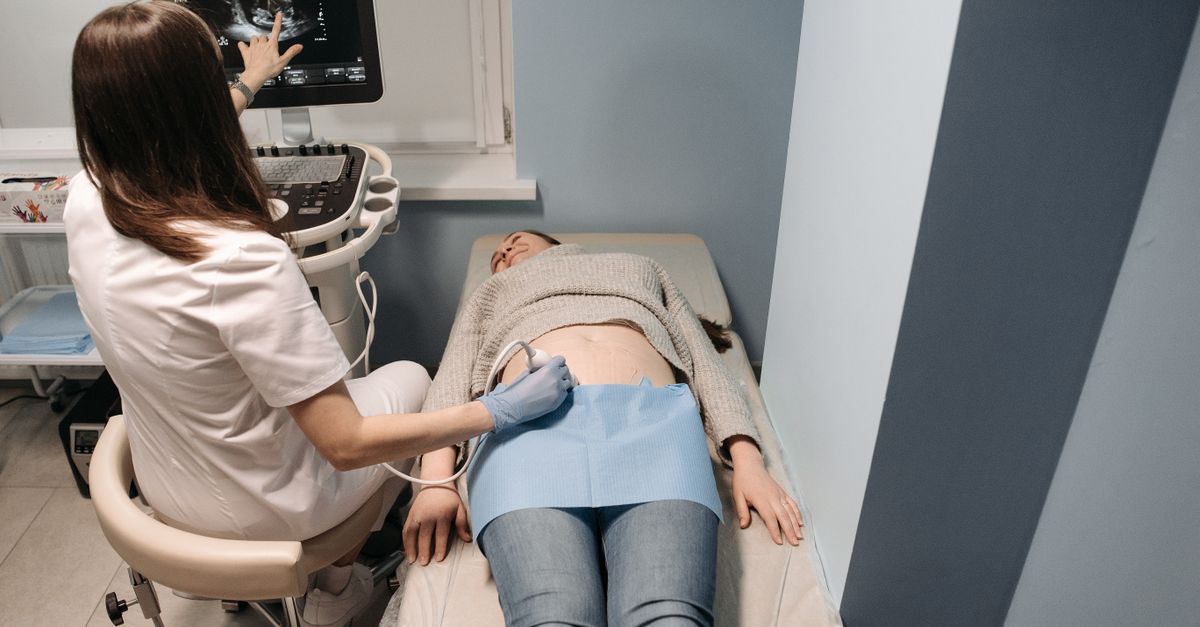
- Ultrasound: after fasting for several hours, a scan grades fat and looks for other liver changes.
- Fibrosis assessment: scores calculated from blood results and, where available, a liver stiffness scan (elastography) estimate scarring.
- Plan: the doctor sets weight, exercise and alcohol goals and treats linked conditions such as diabetes or high cholesterol.
Treatment outlook
Losing roughly 5% of body weight reduces liver fat, and larger, sustained losses can improve inflammation and even early scarring. Steady loss through diet and exercise works better than crash diets. Cutting sugary drinks, refined carbohydrates and alcohol helps. Some patients with diabetes or obesity benefit from medicines that also improve the liver, and specialists may consider specific treatments for advanced inflammation.
Risks and complications
Untreated, a minority progress to fibrosis and cirrhosis, which raise the risk of liver cancer. Fatty liver is also tied to heart disease, so blood pressure and cholesterol control matter. Avoid unproven herbal liver tonics and high-dose supplements, which can themselves injure the liver.
Choosing a clinic for fatty liver care in Seomyeon
- Check that ultrasound is performed or reviewed by an internal medicine or gastroenterology specialist.
- Ask whether liver stiffness measurement is available, not just ultrasound grading.
- Look for a clinic that also manages diabetes and cholesterol, since these drive fatty liver.
- Ask about nutrition counselling or structured weight programs.
- Request copies of ultrasound images and reports to track change over time.
Planning your visit
Ultrasound requires an empty stomach, so morning appointments work best. Clinics around Seomyeon Station are within a short walk of either metro line.
Key facts
- Treats: metabolic (MASLD) and alcohol-related fatty liver
- Diagnosis: liver blood tests, abdominal ultrasound, liver stiffness scan where available
- Test time: ultrasound about 15–20 minutes after a fast
- Main treatment: weight loss, exercise, alcohol reduction
- Medication: used selectively for related conditions or advanced disease
- Follow-up: typically every 6–12 months
- Outlook: early stages are often reversible
Frequently asked questions
Can fatty liver be reversed?
Yes, in many cases. Early fatty liver often improves substantially with gradual weight loss, regular exercise and less alcohol. Even moderate weight loss can reduce liver fat, and greater, sustained loss may improve inflammation and early scarring.
Is fatty liver dangerous?
Simple fat in the liver is usually not dangerous on its own, but some people develop inflammation and scarring over years. Fatty liver is also linked to diabetes and heart disease, so it is a useful early warning to act on.
Do I need to fast before a liver ultrasound?
Usually yes, for about 6–8 hours, because eating contracts the gallbladder and adds gas that blurs images. Water is generally allowed. Follow the clinic's specific instructions.
Are liver supplements helpful for fatty liver?
Most over-the-counter liver tonics have limited evidence, and some herbal products can harm the liver. Ask your doctor before taking any. Lifestyle change remains the most effective treatment.
How often should fatty liver be checked?
Typically every 6–12 months with blood tests and periodic ultrasound, depending on severity. People with signs of significant scarring are monitored more closely, sometimes by a liver specialist at a hospital.
Medical disclaimer: Seomyeon.Clinic is an independent information directory. Content is for general education and does not replace a consultation with a licensed physician. Suitability, risks, results and costs vary by person and clinic. In an emergency in Korea, call 119.