
Abdominal Ultrasound in Seomyeon, Busan
An abdominal ultrasound is a painless, radiation-free scan that uses sound waves to image the liver, gallbladder, bile ducts, pancreas, spleen and kidneys. In Seomyeon, many internal medicine clinics perform it in-house: you fast for about 6–8 hours, lie on an exam bed while gel and a probe are moved over your abdomen for 10–20 minutes, and usually hear initial findings the same day.
Independent patient guide · Medically informative, not a substitute for a doctor's advice · Last reviewed:
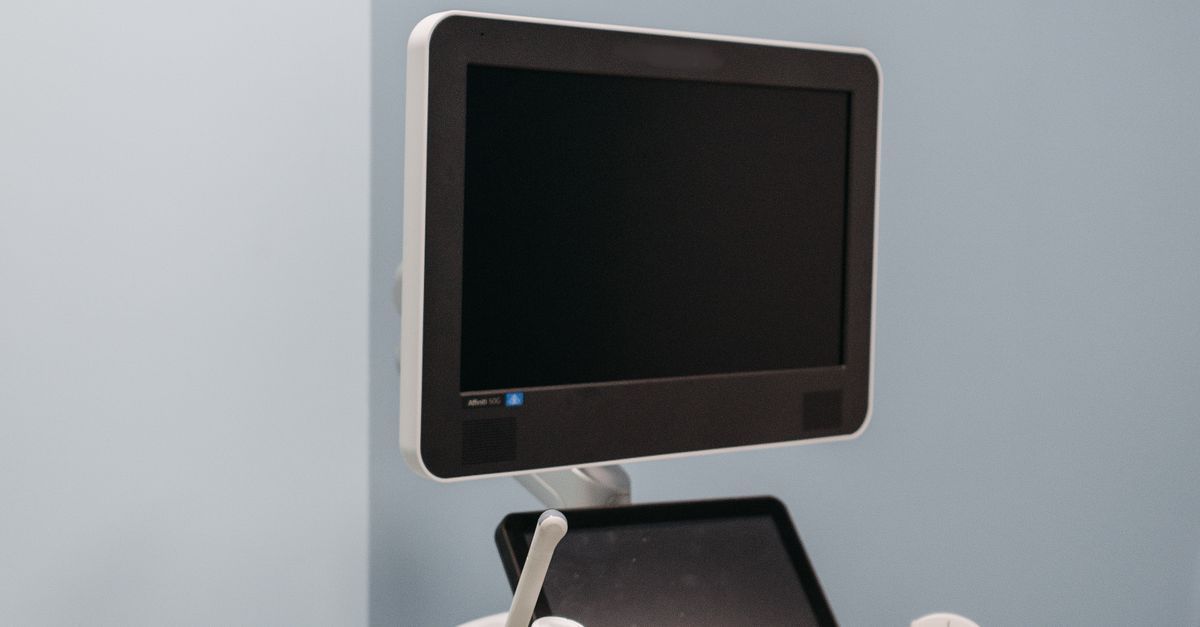
What is an abdominal ultrasound?
Ultrasound uses high-frequency sound waves that bounce off internal organs to create real-time images. Because it involves no radiation, it can be repeated safely and is the usual first imaging test for upper abdominal complaints and liver monitoring. In Korea, ultrasound is very often performed by the doctor personally, who can explain findings while scanning.
Who is it for?
- Pain in the upper right abdomen after fatty meals, suggesting gallstones
- Abnormal liver blood tests or a known fatty liver
- Chronic hepatitis B or C needing regular liver surveillance
- Unexplained abdominal swelling, bloating or a lump
- Kidney problems, blood in the urine or suspected kidney stones
- Health check-ups that include a baseline abdominal scan
Sudden severe abdominal pain, especially with fever, vomiting or a rigid abdomen, should be assessed urgently at an emergency department.
What happens at the clinic
- Preparation: avoid food for about 6–8 hours so the gallbladder is full and gut gas is reduced. Take essential medicines with a sip of water unless told otherwise.
- Positioning: you lie on your back with your abdomen exposed; the room is usually dimmed.
- Scanning: warm gel is applied and the probe is pressed and moved across your abdomen. You may be asked to hold your breath or turn on your side.
- Explanation: the doctor often shows you images and describes findings during or right after the scan.
- Report: a written report and key images can usually be provided on request.
After the scan
There is no recovery time; wipe off the gel and eat normally. If something is found, the next step may be blood tests, repeat ultrasound after a set interval, or a CT or MRI for more detail.
Risks and limitations
Ultrasound is very safe. Its limitations are practical: bowel gas and body fat can obscure parts of the pancreas and other organs, and small lesions may be missed. It is not a substitute for endoscopy or colonoscopy, since it does not show the inside lining of the stomach or bowel well.
Choosing a clinic for abdominal ultrasound in Seomyeon
- Ask whether the scan is performed or directly reviewed by a specialist physician or radiologist.
- Check which organs are included, as some packages cover only the liver and gallbladder.
- Ask for copies of images if you will compare results with future scans abroad.
- Confirm fasting instructions and whether a morning slot is available.
- Ask how incidental findings are followed up and whether referral is arranged.
Planning a morning scan
Because you need an empty stomach, early appointments are easiest. Seomyeon is a short ride on Line 1 from Busan Station, so even travellers arriving by KTX can fit a scan into the morning.
Key facts
- Organs checked: liver, gallbladder, bile ducts, pancreas, spleen, kidneys, major vessels
- Common findings: fatty liver, gallstones, polyps, cysts, kidney stones
- Preparation: fast about 6–8 hours; water usually allowed
- Scan time: about 10–20 minutes
- Radiation: none
- Results: often explained on the same day
- Typical NHI coverage: covered when medically indicated; screening-only scans may be self-paid
Frequently asked questions
How long should I fast before an abdominal ultrasound?
Usually about 6 to 8 hours. Eating causes the gallbladder to empty and increases gut gas, which makes images less clear. Water is generally allowed; follow your clinic's instructions.
Does an abdominal ultrasound hurt?
No. You will feel cool or warm gel and some pressure from the probe. If an area is tender, such as an inflamed gallbladder, pressure there may be uncomfortable briefly.
What can an abdominal ultrasound detect?
It can show fatty liver, gallstones, gallbladder polyps, cysts, some tumours, kidney stones, kidney swelling and enlarged organs. It shows the stomach and bowel lining poorly, so endoscopy is used for those.
Ultrasound vs CT: which is better for the abdomen?
Ultrasound is radiation-free, quick and ideal for the liver, gallbladder and kidneys. CT provides more detailed images of the whole abdomen but uses radiation and sometimes contrast dye. Doctors often start with ultrasound.
Can I get results on the same day?
At many clinics in Seomyeon, the doctor performing the scan explains findings immediately. A formal written report may take a little longer. Ask for images if you need them for another doctor.
Medical disclaimer: Seomyeon.Clinic is an independent information directory. Content is for general education and does not replace a consultation with a licensed physician. Suitability, risks, results and costs vary by person and clinic. In an emergency in Korea, call 119.