
Pancreas Check in Seomyeon, Busan
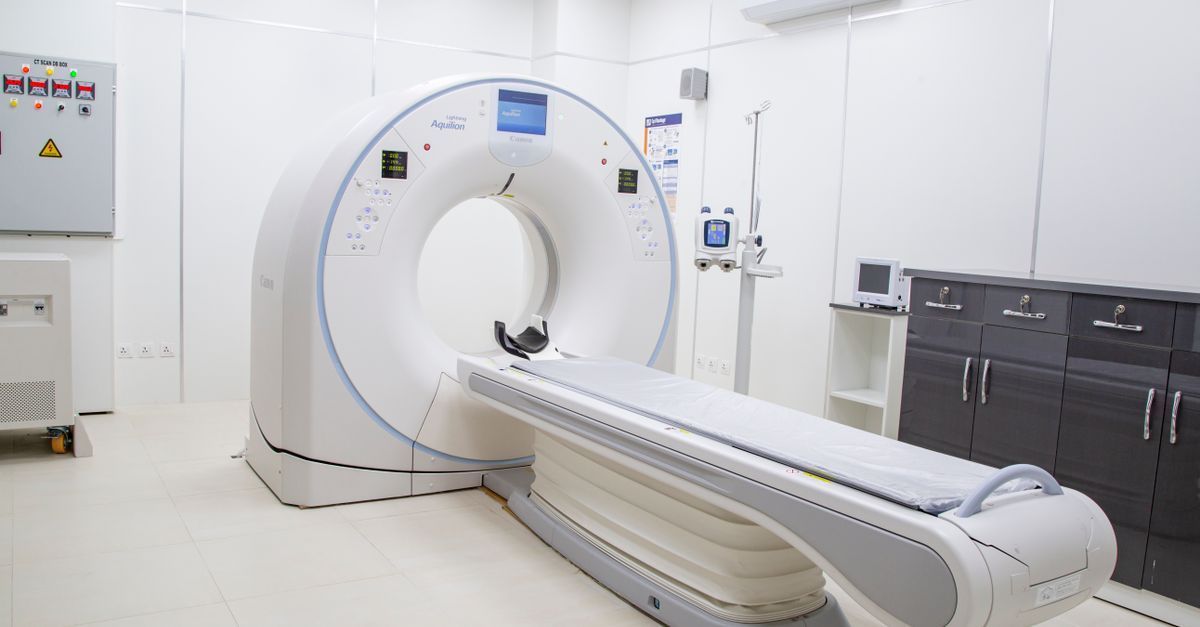
A pancreas check is an evaluation of the pancreas using blood tests and imaging to look for inflammation, cysts or tumours. In Seomyeon, clinics usually begin with a consultation, blood tests and a fasting abdominal ultrasound, which can see part of the pancreas. For a clearer view, the doctor may arrange contrast CT or MRI, often at an imaging centre or hospital.
Independent patient guide · Medically informative, not a substitute for a doctor's advice · Last reviewed:
What is a pancreas check?
The pancreas lies deep behind the stomach, producing digestive enzymes and hormones such as insulin. Its position makes it hard to examine: ultrasound often cannot see the whole organ because of overlying stomach and bowel gas. A pancreas check therefore combines targeted blood tests with the most appropriate imaging. It is used to investigate symptoms, follow up incidental findings such as cysts, or assess people with a higher inherited risk.
Who is it for?
- Persistent upper abdominal or back pain, especially after meals
- Unexplained weight loss, oily or pale floating stools, or new-onset diabetes after about 50 without obvious cause
- Yellowing of the skin or eyes without pain
- A pancreatic cyst found on a previous scan
- Two or more close relatives with pancreatic cancer, or known genetic risk
- A history of pancreatitis or heavy alcohol use
Sudden severe upper abdominal pain radiating to the back, especially with vomiting, may be acute pancreatitis and needs emergency care.
What happens at the clinic
- Consultation: symptoms, alcohol, smoking, diabetes history and family history are reviewed.
- Blood tests: amylase and lipase for inflammation, liver tests and bilirubin for bile duct blockage, glucose or HbA1c.
- Ultrasound: after fasting, an initial look at the pancreas, bile ducts and liver.
- Advanced imaging: pancreatic-protocol CT or MRI with MRCP gives the most detail; endoscopic ultrasound is used for small lesions or cysts needing closer study.
- Plan: reassurance, a monitoring schedule for cysts, or referral to a hepatobiliary-pancreatic specialist.
Understanding results
Small pancreatic cysts are found increasingly often on scans, particularly in older adults, and most remain stable. They are monitored with periodic MRI or CT depending on size and features. Tumour markers such as CA 19-9 are not reliable for screening healthy people, as they can be raised for other reasons and normal in early cancer.
Risks and limitations
Ultrasound is safe but limited. CT involves radiation and contrast dye, which may affect kidneys or cause allergy in some people. MRI takes longer and is unsuitable with some implants. Routine pancreas screening for average-risk people without symptoms is not generally recommended because of false positives and limited benefit.
Choosing a clinic for a pancreas check in Seomyeon
- Ask whether ultrasound alone is enough for your concern, or whether CT or MRI is more appropriate.
- If you have a cyst, ask for a clear monitoring schedule and who will review the scans.
- Check where the clinic refers for MRI, CT or endoscopic ultrasound.
- Bring previous scan reports and images for comparison.
- Ask for an explanation of any tumour marker results in context.
Planning imaging in Busan
Clinics in Seomyeon can usually arrange advanced imaging with nearby facilities. The area's position on Busan Metro Lines 1 and 2 helps when visits involve several locations.
Key facts
- Looks for: pancreatitis, pancreatic cysts, tumours, duct changes
- Blood tests: amylase, lipase, glucose/HbA1c, liver tests; CA 19-9 in selected cases
- First imaging: fasting abdominal ultrasound (limited view)
- Detailed imaging: contrast CT, MRI/MRCP, or endoscopic ultrasound
- Cysts: common incidental finding; most are monitored
- Higher-risk groups: strong family history, certain genetic syndromes, new diabetes with weight loss
Frequently asked questions
Can an ultrasound check the pancreas?
Partly. Ultrasound can show parts of the pancreas, but gas in the stomach and bowel often hides sections, particularly the tail. CT or MRI gives a much more complete view when there is a specific concern.
What does a pancreatic cyst mean?
Pancreatic cysts are common, often found by chance, and most are benign. Some types carry a small risk of becoming cancerous over time, so they are usually monitored with periodic imaging based on size and appearance.
Is CA 19-9 a good test for pancreatic cancer?
Not for screening healthy people. It can be raised by bile duct blockage, pancreatitis and other conditions, and may be normal in early cancer. It is more useful for monitoring known disease.
Who should have pancreas screening?
Screening is generally considered for people with a strong family history of pancreatic cancer or certain inherited genetic conditions, usually through specialist programs. Average-risk people without symptoms are not routinely screened.
What are the warning signs of pancreatic disease?
Painless jaundice, unexplained weight loss, persistent upper abdominal or back pain, oily stools, and new diabetes after age 50 should be checked. Sudden severe upper abdominal pain needs emergency care.
Medical disclaimer: Seomyeon.Clinic is an independent information directory. Content is for general education and does not replace a consultation with a licensed physician. Suitability, risks, results and costs vary by person and clinic. In an emergency in Korea, call 119.