
Tumor Marker Blood Test in Seomyeon, Busan
A tumor marker blood test measures substances, such as CEA, CA 19-9, AFP, CA-125 or PSA, that can be raised by certain cancers. In Seomyeon, clinics and screening centres often offer marker panels as part of check-ups, with results in a few days. Markers are most useful for monitoring known cancer and in specific situations; for healthy people, a single raised result usually has a non-cancerous cause.
Independent patient guide · Medically informative, not a substitute for a doctor's advice · Last reviewed:
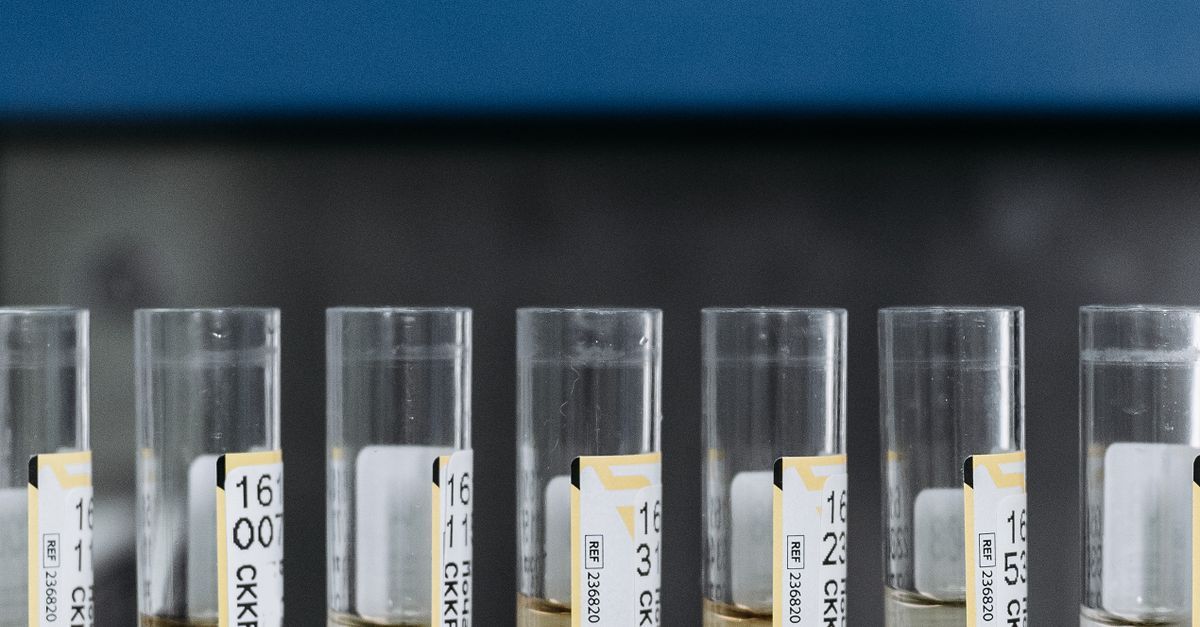
What are tumor markers?
Tumor markers (종양표지자) are proteins or other substances produced by some cancers, and also by normal tissues, in smaller amounts. Common examples include CEA (associated with colorectal and other cancers), CA 19-9 (pancreatic and biliary), AFP (liver), CA-125 (ovarian), CA 15-3 (breast) and PSA (prostate). Because many non-cancer conditions also raise these markers, and many early cancers do not, they are poor stand-alone screening tests for most people.
Who is it for?
- Patients with diagnosed cancer, to monitor treatment and detect recurrence
- People with chronic hepatitis B or C or cirrhosis, where AFP is often combined with ultrasound for liver cancer surveillance
- Men from around 50, after discussing PSA testing's pros and cons
- Specific clinical situations guided by a doctor, such as a pelvic mass and CA-125
If you have symptoms such as weight loss, bleeding or a lump, you need targeted diagnostic tests; a normal tumor marker does not rule out cancer.
What happens at the clinic
- Discussion: the doctor explains which markers, if any, are useful for you, and what a high or normal result would mean.
- Blood draw: a simple sample, usually without fasting unless combined with other tests.
- Laboratory analysis: results typically within a few days.
- Interpretation: results are interpreted with your history, other tests and, where available, previous values.
- Next steps: a mildly raised value is usually repeated; persistent or rising values may lead to imaging or endoscopy.
Understanding results
CEA is often mildly raised in smokers. CA 19-9 rises with bile duct blockage and pancreatitis. AFP can rise with hepatitis and pregnancy. CA-125 rises with menstruation, endometriosis and fibroids. PSA rises with prostate enlargement, infection and recent ejaculation or cycling. Trends over time are often more informative than a single value. A raised marker is a prompt for careful assessment, not a diagnosis.
Risks and limitations
The blood test is low risk. The main harms are anxiety and unnecessary procedures from false positives, and false reassurance from normal results. That is why medical guidelines do not support broad tumor marker panels for screening average-risk people.
Choosing a clinic for tumor marker testing in Seomyeon
- Ask the doctor which markers are relevant for your situation and why.
- Prefer evidence-based screening tests, such as endoscopy or mammography, for cancer detection.
- Ask how a raised result would be followed up before testing.
- Keep a record of results to track trends.
- Use the same laboratory where possible, since methods vary.
Follow-up nearby
If a marker is raised, repeat testing and imaging can usually be arranged quickly at clinics around Seomyeon Station.
Key facts
- Common markers: CEA, CA 19-9, AFP, CA-125, PSA, CA 15-3
- Main use: monitoring known cancers and treatment response
- Screening role: limited; AFP for high-risk liver patients, PSA after discussion
- False positives: smoking, inflammation, liver disease, benign conditions
- False negatives: many early cancers do not raise markers
- Procedure: simple blood draw; results in a few days
Frequently asked questions
Can a tumor marker test detect cancer early?
Generally not reliably. Many early cancers do not raise markers, and benign conditions often do. For most people, evidence-based screening tests such as endoscopy, colonoscopy and mammography are better.
What does a high CEA mean?
CEA can be raised by colorectal and other cancers, but also by smoking, inflammation, liver disease and bowel conditions. A mildly raised level is usually rechecked and interpreted with other tests.
Is AFP useful for liver cancer?
Yes, for high-risk people such as those with hepatitis B or cirrhosis, AFP is often combined with ultrasound every six months. Alone, it misses some liver cancers.
Should I get a PSA test?
PSA can help detect prostate cancer but also finds slow-growing cancers that may not need treatment. Men from around 50, or earlier with family history, should discuss it with a doctor.
What should I do if a tumor marker is high?
Do not panic. Most mildly raised markers have non-cancerous causes. Your doctor will usually repeat the test and decide whether imaging or other investigations are needed.
Medical disclaimer: Seomyeon.Clinic is an independent information directory. Content is for general education and does not replace a consultation with a licensed physician. Suitability, risks, results and costs vary by person and clinic. In an emergency in Korea, call 119.