
Blood Tests in Seomyeon, Busan
Blood tests measure substances in a blood sample to check general health, diagnose illness or monitor treatment. In Seomyeon, internal medicine clinics usually draw blood in a few minutes on a walk-in basis after a brief consultation. Some tests need an 8–12 hour fast. Basic results such as a blood count are often available the same day, while specialised tests take several days.
Independent patient guide · Medically informative, not a substitute for a doctor's advice · Last reviewed:
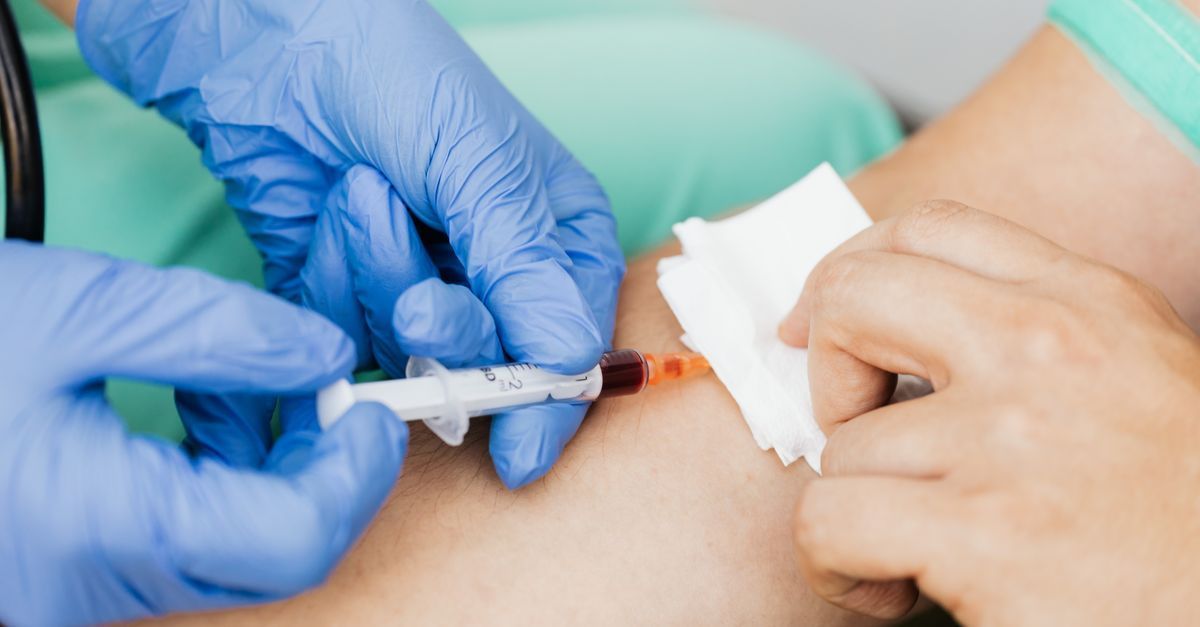
What are blood tests?
A blood test analyses a small sample, usually taken from a vein in the arm, to measure cells, chemicals, hormones, antibodies or other markers. Doctors use them to screen for common conditions, find the cause of symptoms, check how organs such as the liver and kidneys are working, and monitor medicines.
Who is it for?
- People with symptoms such as tiredness, weight change, thirst, or frequent infections
- Those monitoring long-term conditions like diabetes, high cholesterol, thyroid disease or hepatitis
- Patients on medicines that need monitoring, such as statins, thyroid hormone or some antivirals
- Expats or travellers wanting a general check, or needing tests for work, visas or school
- Anyone preparing for surgery or a procedure
What happens at the clinic
- Consultation: the doctor asks why you want testing and selects appropriate tests rather than ordering everything.
- Preparation check: staff confirm whether you have fasted if needed and which medicines you took.
- Blood draw: a nurse cleans the skin, inserts a fine needle and fills one or more tubes in a few minutes.
- Processing: some tests run in the clinic; others go to an external laboratory.
- Results: the doctor explains them in person, by phone, or via a printed report, depending on the clinic.
After your test
Press firmly on the site for a few minutes to reduce bruising. Eat and drink once done if you fasted. Ask for a copy of your results, ideally with reference ranges, so you can compare future tests. Results slightly outside the range are common and not always significant; the doctor will interpret them alongside your history.
Risks and side effects
Blood tests are very safe. You may have a small bruise or feel faint, especially if you are anxious or fasting; tell staff so you can lie down. Rarely, the puncture site becomes infected or a nerve is irritated, causing brief tingling.
Choosing a clinic for blood tests in Seomyeon
- Ask which tests the doctor recommends for your situation and why.
- Check fasting rules in advance and whether early-morning draws are available.
- Ask how and when results are delivered, and whether they can be emailed or printed in English.
- If tests are for a visa, employer or school, confirm the clinic can complete the required form or certificate.
- Ask about follow-up if a result is abnormal, including referral if needed.
Quick visits downtown
Blood draws are among the quickest clinic visits in Seomyeon. With Line 1 and Line 2 meeting at Seomyeon Station, many people stop in before work and collect results later in the week.
Key facts
- Common panels: complete blood count, liver and kidney function, glucose/HbA1c, lipids, thyroid, electrolytes, inflammation markers
- Procedure time: about 5 minutes for the draw
- Fasting: 8–12 hours for glucose and lipids; not needed for many tests
- Results: same day to about a week, depending on the test
- Doctor visit: a consultation usually precedes ordering tests
- Typical NHI coverage: covered when medically indicated; self-requested screening is often self-paid
Frequently asked questions
Do I need to fast before a blood test?
Only for some tests. Fasting for 8 to 12 hours is usually requested for blood glucose and triglycerides. Many tests, such as blood counts and thyroid function, do not require fasting. Water is generally fine.
How long do blood test results take in Korea?
Routine tests such as a complete blood count or blood sugar can be ready the same day. Lipids, liver and kidney panels often take a day or two, while hormone, vitamin or antibody tests may take several days.
Can I get a blood test without seeing a doctor?
In Korean clinics, a doctor usually orders tests after a brief consultation, which also helps you choose relevant tests and interpret results. The consultation is often short.
Can I get my results in English?
Lab values and test names are often printed using international abbreviations, which are easy to read. Many clinics can also provide an English summary or certificate on request; ask before testing.
Are blood tests covered by health insurance in Korea?
Tests ordered to investigate symptoms or manage a diagnosed condition are generally covered for NHI enrollees with a co-payment. Tests requested purely for screening without symptoms are often paid privately.
Medical disclaimer: Seomyeon.Clinic is an independent information directory. Content is for general education and does not replace a consultation with a licensed physician. Suitability, risks, results and costs vary by person and clinic. In an emergency in Korea, call 119.