
Liver Cancer Screening in Seomyeon, Busan
Liver cancer screening is regular surveillance for hepatocellular carcinoma in people at high risk, mainly those with chronic hepatitis B or C or cirrhosis. In Seomyeon, internal medicine and gastroenterology clinics typically perform a liver ultrasound and AFP blood test every six months. Each visit takes about 30 minutes after fasting, and any new nodule leads to CT or MRI for clarification.
Independent patient guide · Medically informative, not a substitute for a doctor's advice · Last reviewed:
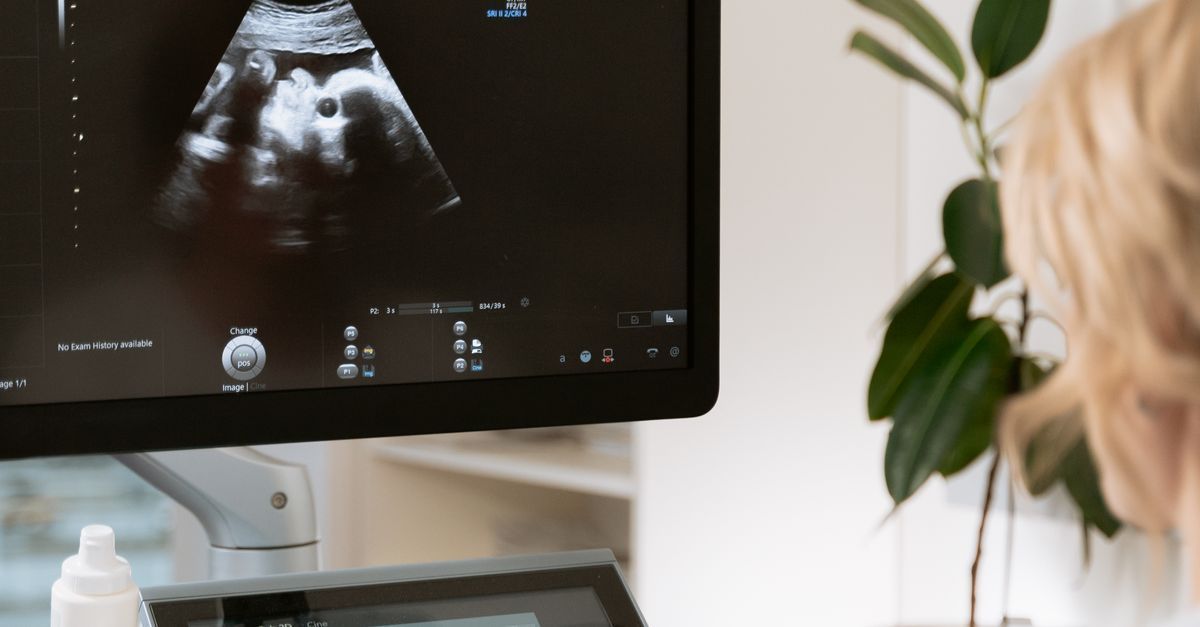
What is liver cancer screening?
Hepatocellular carcinoma, the most common primary liver cancer, usually develops in livers already damaged by chronic hepatitis B or C, heavy alcohol use or fatty liver disease with cirrhosis. Because hepatitis B has historically been common in Korea, liver cancer surveillance is a well-established part of care. Ultrasound every six months, often combined with the AFP blood test, aims to detect tumours small enough for curative treatment.
Who is it for?
- Adults with chronic hepatitis B, especially those over 40, men, or with family history of liver cancer
- People with chronic hepatitis C, including after cure if cirrhosis was present
- Anyone with cirrhosis from alcohol, fatty liver disease or other causes
- People advised by their hepatologist to continue surveillance
Screening is for people without symptoms. Yellowing of the skin or eyes, abdominal swelling, vomiting blood, black stools or confusion need urgent medical care.
What happens at the clinic
- Booking: schedule every six months; set reminders, as missed intervals are common.
- Preparation: fast for about 6–8 hours for the ultrasound.
- Blood tests: AFP, liver function, platelet count and, for hepatitis B, viral load as part of overall management.
- Ultrasound: the doctor examines the liver for nodules and signs of cirrhosis.
- Review: results are explained; new nodules or rising AFP trigger contrast CT or MRI.
After screening
Most surveillance visits are normal. Small nodules under about 1 cm are often rechecked with short-interval ultrasound. Larger nodules need dynamic CT or MRI, which can often confirm or exclude liver cancer without biopsy. Early-stage cancers may be treated with surgery, ablation or transplant at specialist centres.
Prevention matters too
Antiviral treatment for hepatitis B, curing hepatitis C, avoiding alcohol, managing weight and diabetes, and hepatitis B vaccination for family members all reduce risk. Screening does not replace these measures.
Risks and limitations
Ultrasound and blood tests are safe. Ultrasound can be limited in obese patients or cirrhotic livers, and some small cancers are missed; AFP alone also misses many. In such cases, doctors may recommend periodic MRI or CT. False positives can lead to extra imaging.
Choosing a clinic for liver cancer screening in Seomyeon
- Choose a gastroenterology or internal medicine specialist experienced in liver ultrasound.
- Confirm the clinic also manages hepatitis B or C treatment where needed.
- Ask about reminder systems for six-monthly visits.
- Ask where CT or MRI is arranged if a nodule is found.
- Keep copies of reports and images to track changes.
Staying on schedule
Consistency is the key to surveillance. A clinic near the Seomyeon metro interchange makes twice-yearly visits easy to maintain.
Key facts
- High-risk groups: chronic hepatitis B, hepatitis C, cirrhosis from any cause
- Tests: liver ultrasound plus AFP blood test
- Interval: every 6 months
- Preparation: fast about 6–8 hours before ultrasound
- Visit time: about 30 minutes
- Follow-up: contrast CT or MRI for new nodules
- Not recommended: routine screening for average-risk people
Frequently asked questions
Who needs liver cancer screening?
Mainly people with chronic hepatitis B or C or cirrhosis from any cause. Average-risk people without liver disease do not usually need routine liver cancer screening.
How often should high-risk people be screened?
Every six months, with a liver ultrasound and usually an AFP blood test. Regular, uninterrupted surveillance gives the best chance of finding cancer early.
Is AFP alone enough to screen for liver cancer?
No. AFP can be normal in early liver cancer and raised for other reasons. It is used together with ultrasound, not on its own.
What happens if a liver nodule is found?
Small nodules are often rechecked with ultrasound after a short interval. Larger nodules are evaluated with contrast CT or MRI, which can often confirm or exclude cancer.
Can liver cancer be prevented?
Risk can be greatly reduced by hepatitis B vaccination, antiviral treatment for hepatitis B, curing hepatitis C, limiting alcohol and managing weight and diabetes.
Medical disclaimer: Seomyeon.Clinic is an independent information directory. Content is for general education and does not replace a consultation with a licensed physician. Suitability, risks, results and costs vary by person and clinic. In an emergency in Korea, call 119.