
Gallstone Evaluation in Seomyeon, Busan
Gallstone evaluation is the assessment of stones or polyps in the gallbladder and the symptoms they may cause. In Seomyeon, internal medicine and gastroenterology clinics typically combine a symptom review with a fasting abdominal ultrasound and blood tests. Silent gallstones often need only monitoring, while recurrent pain or complications usually lead to referral for laparoscopic gallbladder removal.
Independent patient guide · Medically informative, not a substitute for a doctor's advice · Last reviewed:
What is gallstone evaluation?
The gallbladder is a small pouch under the liver that stores bile. Gallstones (담석) form when bile components crystallise, often cholesterol. Many people have stones without ever knowing, and they are commonly found on routine check-up ultrasounds. Evaluation determines whether stones or polyps are causing symptoms, whether complications are present, and whether treatment is needed.
Symptoms and when to see a doctor
- Steady pain in the upper right or upper middle abdomen, often after fatty meals or at night, lasting from 30 minutes to several hours
- Pain spreading to the right shoulder blade or back
- Nausea or vomiting with the pain
- A check-up report mentioning gallstones or gallbladder polyps
Go to an emergency department for pain lasting more than several hours, fever with chills, yellowing of the skin or eyes, dark urine, or severe pain spreading to the back, which may indicate infection, bile duct blockage or pancreatitis. Upper abdominal pain can also be cardiac; call 119 if it comes with chest pressure, sweating or breathlessness.
What happens at the clinic
- History: pain pattern, triggers, previous episodes, weight change and family history.
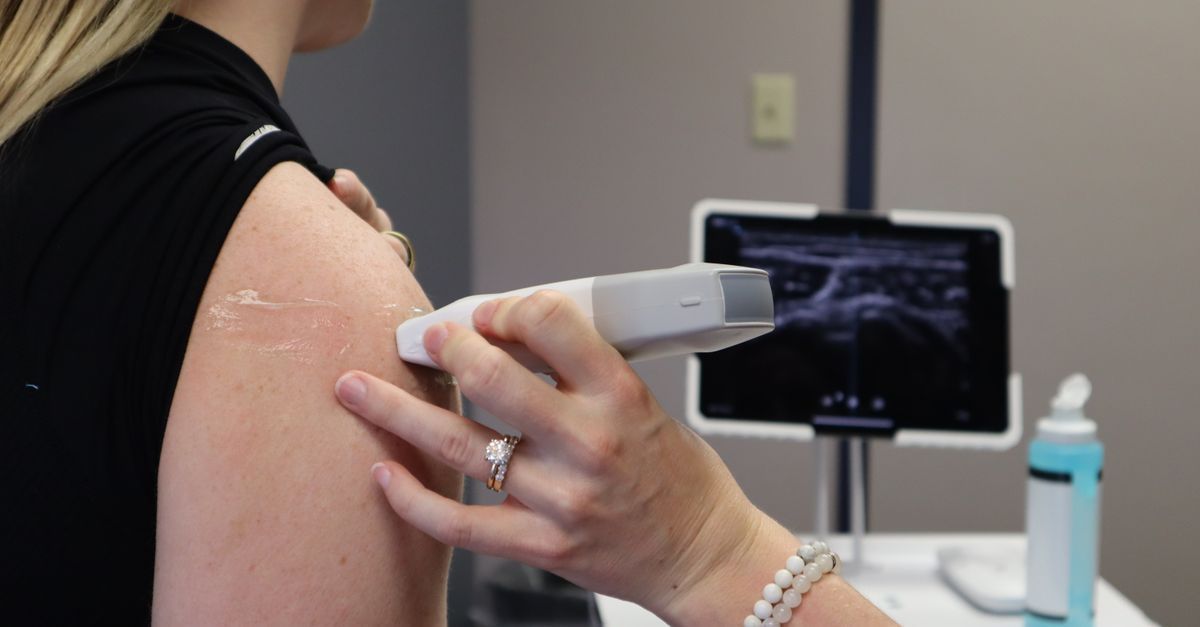
- Fasting ultrasound: shows stones, sludge, polyps, gallbladder wall thickening and bile duct size.
- Blood tests: liver enzymes, bilirubin, pancreatic enzymes and inflammation markers.
- Further imaging if needed: CT, MRCP (MRI of bile ducts) or endoscopic ultrasound for duct stones or uncertain polyps, usually at a hospital.
- Recommendation: monitoring, lifestyle advice, or referral to a surgeon.
Treatment outlook
Gallstones that cause no symptoms are usually left alone, as most never cause trouble. Once typical biliary pain occurs, further attacks are likely, and laparoscopic gallbladder removal is the standard, effective treatment with a short hospital stay. Medicines that dissolve stones work only for certain small cholesterol stones and take many months, with stones often returning. Gallbladder polyps are monitored with periodic ultrasound; larger or growing polyps are usually removed because of a small cancer risk.
Risks and complications
Untreated symptomatic stones can lead to acute cholecystitis, stones in the bile duct, cholangitis or pancreatitis, all requiring urgent care. Surgery has small risks such as bleeding, infection and bile duct injury.
Choosing a clinic for gallstone evaluation in Seomyeon
- Ask whether ultrasound is performed by the physician who will interpret it.
- Ask for measurements of any polyps and the recommended monitoring interval.
- Confirm the clinic refers promptly to a surgeon or hospital if needed.
- Request copies of images so future scans can be compared.
- Ask for dietary advice to reduce attacks while you wait for treatment.
Scheduling the scan
A morning appointment after an overnight fast is easiest. For visitors arriving by KTX, Seomyeon is a direct ride on Line 1 from Busan Station.
Key facts
- Assesses: gallstones, gallbladder polyps, sludge, inflammation
- Main test: abdominal ultrasound after 6–8 hours of fasting
- Blood tests: liver enzymes, bilirubin, pancreatic enzymes, inflammation markers
- Silent stones: usually monitored without surgery
- Symptomatic stones: laparoscopic cholecystectomy is the standard treatment
- Polyps: monitored by size; larger polyps may need removal
Frequently asked questions
Do all gallstones need surgery?
No. Gallstones without symptoms usually only need monitoring. Surgery is generally recommended after typical gallbladder pain or complications such as inflammation, bile duct stones or pancreatitis.
What does gallstone pain feel like?
It is typically a steady, severe pain in the upper right or upper middle abdomen, often after a fatty meal or at night, lasting from half an hour to several hours, sometimes spreading to the right shoulder blade.
Can gallstones be dissolved without surgery?
Some small cholesterol stones can dissolve with medication over many months, but success is limited and stones often return. It is an option only for selected patients.
Are gallbladder polyps dangerous?
Most small polyps are harmless. Larger polyps, or those that grow over time, carry a small risk of cancer and may be removed. Ultrasound monitoring tracks their size.
When is gallbladder pain an emergency?
Seek emergency care for pain lasting several hours, fever and chills, yellow skin or eyes, or severe pain spreading to the back. These can signal infection, duct blockage or pancreatitis.
Medical disclaimer: Seomyeon.Clinic is an independent information directory. Content is for general education and does not replace a consultation with a licensed physician. Suitability, risks, results and costs vary by person and clinic. In an emergency in Korea, call 119.