
Laparoscopic Gallbladder Removal in Seomyeon, Busan
Laparoscopic gallbladder removal (cholecystectomy, 담낭 절제술) is keyhole surgery to remove a gallbladder causing pain or infection, usually from gallstones. In Seomyeon, Busan, surgical clinics and hospitals diagnose gallstones with ultrasound and blood tests, then perform the operation under general anesthesia in about 45–90 minutes, typically with a one- or two-night stay and return to desk work in one to two weeks.
Independent patient guide · Medically informative, not a substitute for a doctor's advice · Last reviewed:
What is laparoscopic gallbladder removal?
The gallbladder stores bile made by the liver. Gallstones can block its outlet, causing attacks of pain (biliary colic) or infection (cholecystitis). Removing the gallbladder is the standard treatment for symptomatic stones because they tend to recur. Using a camera and fine instruments through small incisions, surgeons detach and remove the gallbladder. Bile then flows directly from the liver to the intestine, and most people digest normally afterward.
Symptoms and when to see a doctor
- Pain in the upper right or middle abdomen, often after fatty meals, lasting 30 minutes to several hours
- Pain spreading to the right shoulder blade or back
- Nausea or vomiting with attacks
- Fever with persistent pain (possible infection)
- Yellow skin or eyes, dark urine or pale stools (possible duct blockage)
Seek emergency care or call 119 for severe pain lasting more than a few hours, fever or jaundice.
What happens at the clinic
- Assessment: history, exam, abdominal ultrasound and blood tests for liver function and inflammation.
- Further imaging: MRCP or CT if a stone in the bile duct is suspected.
- Pre-op checks: blood tests, ECG and chest X-ray.
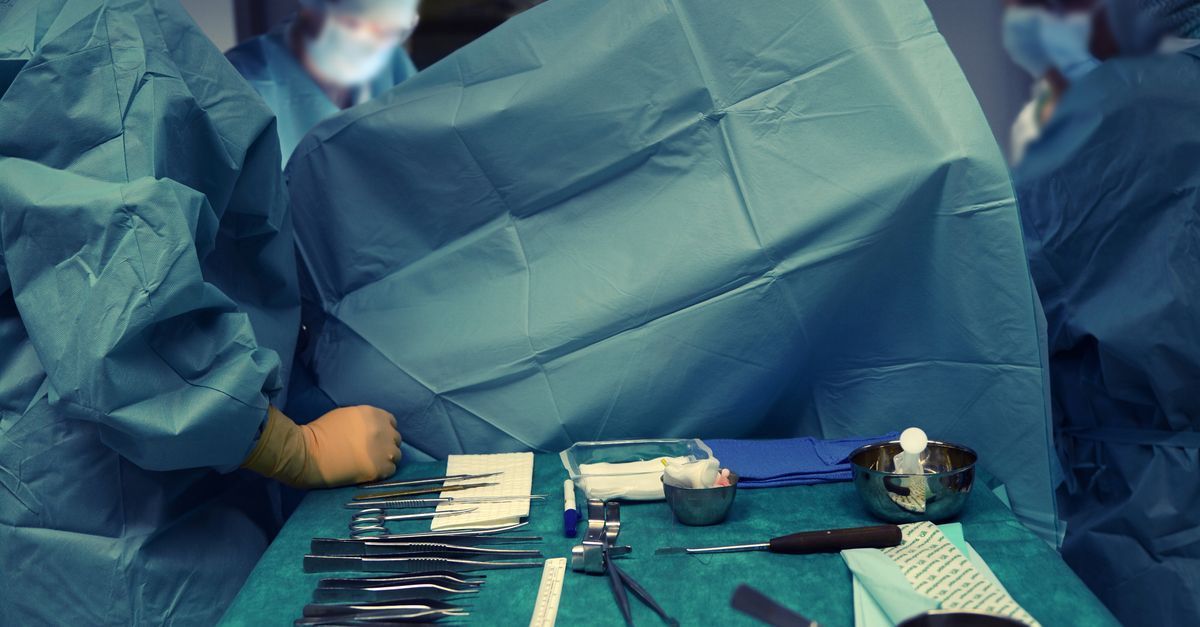
- Surgery: under general anesthesia, the abdomen is inflated with gas, the gallbladder's duct and artery are clipped and the organ removed through a small incision.
- Recovery: eating usually resumes the same day or next morning, with discharge after one or two nights.
Recovery and aftercare
Wound soreness and shoulder-tip pain from the gas are common for a few days. Walk regularly to aid recovery. Most people resume light activity within a week and desk work in one to two weeks, avoiding heavy lifting for about four weeks. A lower-fat diet for the first weeks can ease temporary loose stools.
Risks and side effects
Complications are uncommon but include bleeding, infection, bile leak, retained bile duct stones and, rarely, bile duct injury. Occasionally the operation is converted to open surgery. Some people have ongoing digestive symptoms afterward.
Choosing a clinic for gallbladder surgery in Seomyeon
- Ask how many cholecystectomies the surgeon performs and whether single-port surgery is offered.
- Ask how bile duct stones would be managed if found.
- Check inpatient facilities and overnight nursing.
- Ask whether the gallbladder is sent for pathology.
- Clarify diet guidance and follow-up after discharge.
For visiting patients
Allow about a week for surgery and a wound check. Seomyeon connects to Busan Station and Gimhae Airport via Lines 1 and 2.
Key facts
- Treats: symptomatic gallstones, cholecystitis, gallbladder polyps of concern
- Diagnosis: abdominal ultrasound, blood tests; sometimes CT or MRCP
- Technique: 3–4 small incisions, or single-port in selected cases
- Procedure time: about 45–90 minutes
- Anesthesia: general
- Hospital stay: usually 1–2 nights
- Downtime: desk work in about 1–2 weeks; heavy lifting after about 4 weeks
Frequently asked questions
Can I live normally without a gallbladder?
Yes. Bile flows directly from the liver to the intestine. Most people eat normally after recovery, though some notice looser stools after fatty meals for a while.
Do silent gallstones need surgery?
Gallstones found by chance without symptoms usually do not need surgery. Exceptions include large stones, polyps of concern or certain high-risk situations. Your surgeon will advise.
How long is recovery from laparoscopic cholecystectomy?
Most people go home after one or two nights and return to desk work within one to two weeks. Heavy lifting is usually avoided for about four weeks.
What diet should I follow after gallbladder removal?
Start with small, lower-fat meals and increase gradually. Most people return to a normal diet within weeks. Fibre can help if stools are loose.
Can gallstones come back after surgery?
The gallbladder is removed, so gallbladder stones cannot recur. Rarely, stones form in the bile ducts, which may need endoscopic treatment.
Medical disclaimer: Seomyeon.Clinic is an independent information directory. Content is for general education and does not replace a consultation with a licensed physician. Suitability, risks, results and costs vary by person and clinic. In an emergency in Korea, call 119.