
Inguinal Hernia Repair in Seomyeon, Busan
Inguinal hernia repair fixes a weakness in the groin wall through which fat or intestine bulges (서혜부 탈장). In Seomyeon, Busan, surgical clinics confirm the hernia by examination and sometimes ultrasound, then repair it with mesh by laparoscopic or open surgery, usually in about 30–90 minutes as a same-day or one-night stay. Most people return to desk work within about one to two weeks.
Independent patient guide · Medically informative, not a substitute for a doctor's advice · Last reviewed:
What is an inguinal hernia?
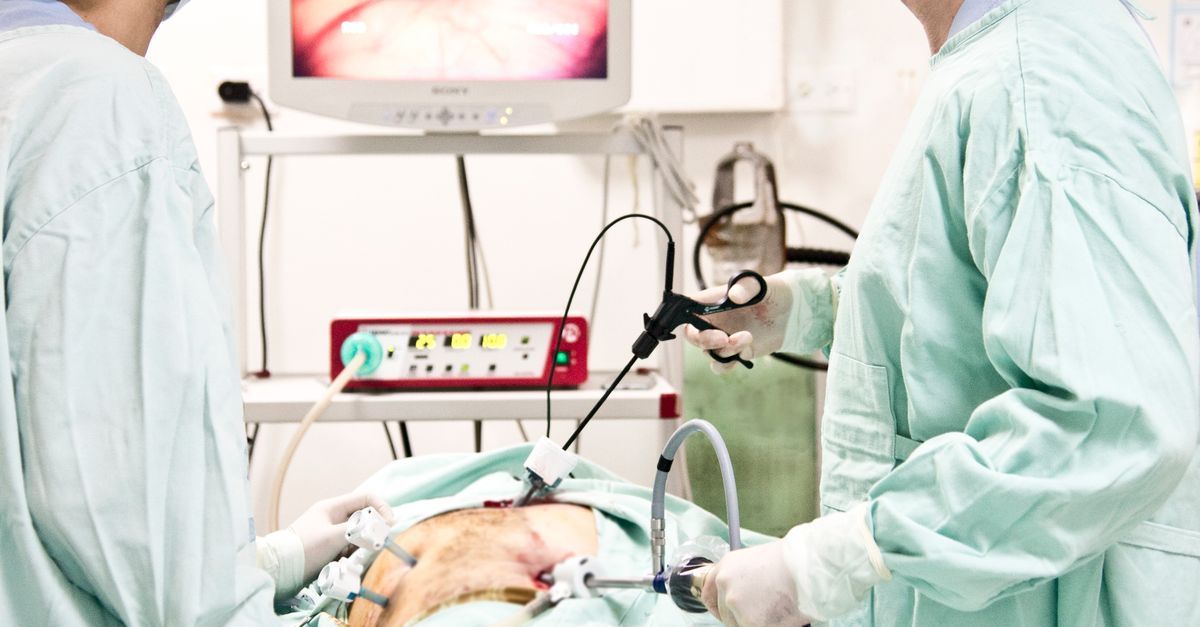
An inguinal hernia occurs when abdominal contents push through a weak spot in the inguinal canal in the groin. It is much more common in men and can occur on one or both sides. Hernias do not heal on their own and tend to enlarge over time. Surgery strengthens the wall, typically with a lightweight mesh that reduces the chance of recurrence.
Symptoms and when to see a doctor
- A bulge in the groin or scrotum that may disappear when lying down
- Aching, burning or dragging discomfort, worse with lifting or long standing
- Discomfort when coughing or straining
Call 119 or go to an emergency department if the bulge becomes hard, very painful or cannot be pushed back, especially with nausea, vomiting or no passing of gas; this may be an incarcerated or strangulated hernia.
What happens at the clinic
- Examination: standing and lying, with a cough test.
- Imaging: ultrasound if the diagnosis is uncertain or to check the other side.
- Choosing an approach: laparoscopic repair suits bilateral or recurrent hernias and may allow faster return to activity; open repair can be done under local or spinal anesthesia.
- Pre-op tests: blood tests, ECG and chest X-ray depending on age and health.
- Surgery: the hernia sac is returned and mesh is placed to reinforce the wall.
- Discharge: often the same day or the next morning.
Recovery and aftercare
Expect soreness and bruising in the groin for about one to two weeks. Walking is encouraged from the first day. Avoid heavy lifting and strenuous exercise for about four to six weeks, or as advised. Keep stools soft to avoid straining. Driving is usually possible once you can brake suddenly without pain.
Risks and side effects
Possible complications include bruising, seroma (fluid collection), infection, urinary retention, chronic groin pain and recurrence. Laparoscopic repair carries rare risks of injury to internal organs. Watchful waiting may be reasonable for small, symptom-free hernias in some adults after discussing risks.
Choosing a clinic for hernia repair in Seomyeon
- Ask whether the surgeon performs both laparoscopic and open repair and which suits you.
- Ask whether the other side will be checked during laparoscopic surgery.
- Ask about anesthesia options, especially if you have heart or lung conditions.
- Clarify hospital stay, follow-up schedule and return-to-work guidance.
- Confirm the surgeon is a board-certified general surgeon (외과 전문의).
Planning a stay
Many visitors combine surgery with a week of light activity in the city. Seomyeon's Line 1 and Line 2 connections make getting to the clinic and back simple.
Key facts
- Symptoms: groin bulge that grows when standing or coughing, aching or heaviness
- Diagnosis: physical exam; ultrasound if unclear
- Techniques: laparoscopic (TEP/TAPP) or open (Lichtenstein) mesh repair
- Anesthesia: general for laparoscopic; spinal or local for open
- Procedure time: about 30–90 minutes
- Downtime: desk work in about 1–2 weeks; heavy lifting after about 4–6 weeks
- Emergency: painful, hard bulge that will not go back, with vomiting
Frequently asked questions
Does every inguinal hernia need surgery?
Most symptomatic hernias are repaired because they tend to grow and carry a small risk of strangulation. Small, painless hernias in some adults can be watched after discussing risks with a surgeon.
Laparoscopic or open hernia repair: which is better?
Both are effective. Laparoscopic repair may mean less early pain and suits bilateral or recurrent hernias. Open repair can be done without general anesthesia. Your surgeon will advise.
How long is recovery after hernia surgery?
Most people return to desk work in about one to two weeks. Heavy lifting and strenuous exercise are usually avoided for about four to six weeks.
Is mesh safe for hernia repair?
Mesh repair is the standard method for adult inguinal hernias and reduces recurrence. Complications such as chronic pain or infection are uncommon. Discuss any concerns with your surgeon.
What are signs of a strangulated hernia?
A hard, painful bulge that cannot be pushed back, with nausea, vomiting or inability to pass gas. This is an emergency; call 119 or go to hospital.
Medical disclaimer: Seomyeon.Clinic is an independent information directory. Content is for general education and does not replace a consultation with a licensed physician. Suitability, risks, results and costs vary by person and clinic. In an emergency in Korea, call 119.