
Diabetes Management in Seomyeon, Busan
Diabetes management is the ongoing control of blood sugar and related risks in type 1, type 2 and other forms of diabetes. In Seomyeon, endocrinology and internal medicine clinics typically check HbA1c every three months, adjust medicines such as metformin, SGLT2 inhibitors or GLP-1 drugs, and arrange yearly kidney, eye and foot checks, alongside diet and exercise guidance tailored to everyday Korean meals.
Independent patient guide · Medically informative, not a substitute for a doctor's advice · Last reviewed:
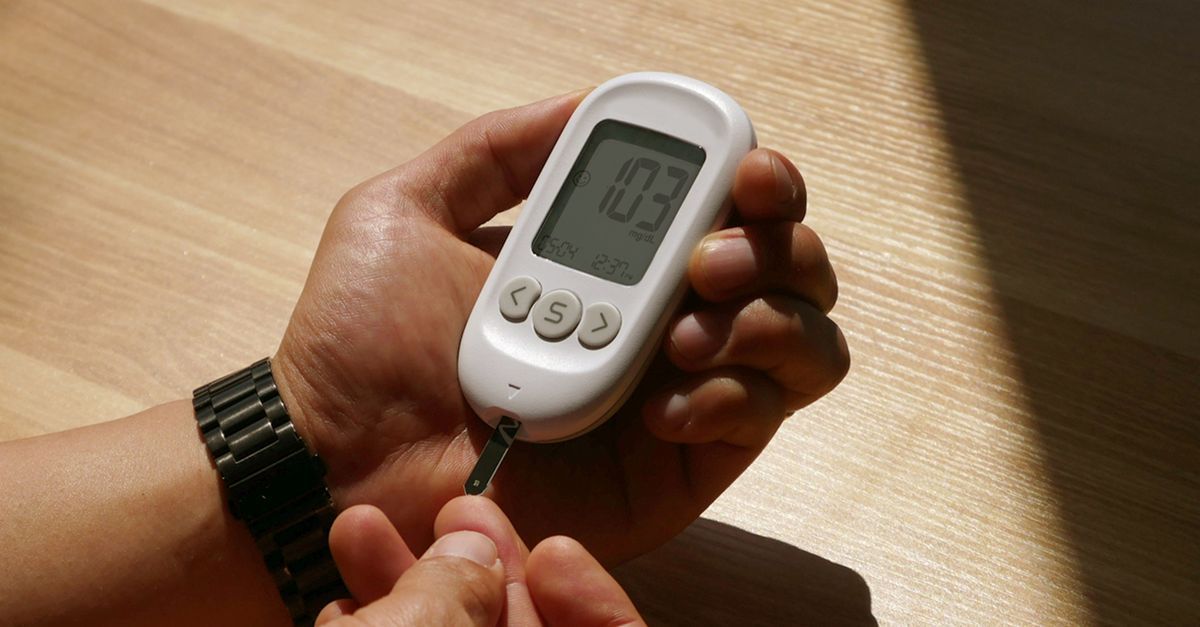
What is diabetes management?
Diabetes (당뇨병) means blood sugar stays too high because the body does not make enough insulin or does not respond to it properly. Type 2 diabetes is by far the most common in adults and is linked to genetics, weight, inactivity and age; many East Asian people develop it at a lower body weight than Western populations. Type 1 diabetes is autoimmune and requires insulin from diagnosis. Good management keeps blood sugar in range and protects the heart, kidneys, eyes and nerves.
Who is it for?
- Anyone newly diagnosed with diabetes, including through a health check-up
- People whose HbA1c is above target on current treatment
- Patients needing a review of complex medicines or frequent low blood sugars
- Expats who need to continue their diabetes care in Busan
- Women with diabetes planning pregnancy
Seek urgent care for very high sugars with vomiting, abdominal pain, rapid breathing or drowsiness, which may be diabetic ketoacidosis, or for severe low blood sugar with confusion or loss of consciousness: call 119.
What happens at the clinic
- Assessment: history, weight, blood pressure, current medicines and home glucose readings.
- Tests: HbA1c, fasting glucose, kidney function, urine albumin, lipids and liver tests.
- Individual targets: HbA1c, blood pressure and cholesterol goals set by age, health and hypoglycemia risk.
- Treatment plan: medicines chosen for your profile; SGLT2 inhibitors and GLP-1 receptor agonists are favoured when heart or kidney disease is present.
- Complication screening: referral for a dilated eye exam and foot examination at least yearly.
Treatment outlook
With modern medicines and steady lifestyle habits, most people keep diabetes well controlled and greatly reduce complication risk. Losing excess weight can markedly improve type 2 diabetes, and some people achieve remission. Practical steps include smaller portions of white rice or switching to mixed grains, limiting sugary drinks and fruit juices, choosing vegetable side dishes, and walking after meals.
Risks and side effects
Some medicines can cause low blood sugar, especially insulin and sulfonylureas. Metformin may upset the stomach; SGLT2 inhibitors can increase genital infections; GLP-1 drugs commonly cause nausea at first. Poorly controlled diabetes increases risk of heart attack, stroke, kidney failure, vision loss and foot ulcers.
Choosing a clinic for diabetes care in Seomyeon
- Look for an endocrinology (내분비내과) or internal medicine specialist experienced in diabetes.
- Ask whether diabetes education and dietitian support are available.
- Check that urine albumin, eye and foot screening are organised.
- Ask about continuous glucose monitoring if you use insulin.
- Bring your medicine list and past HbA1c results from home.
Continuing care in Busan
Regular three-monthly visits are easier with a clinic on your commute; Seomyeon's Line 1 and 2 interchange makes the area a practical base for long-term follow-up.
Key facts
- Diagnosis: HbA1c 6.5% or higher, fasting glucose 126 mg/dL or higher, or other standard criteria
- Common target: HbA1c around or below 6.5–7%, individualised
- Medicines: metformin, SGLT2 inhibitors, DPP-4 inhibitors, GLP-1 receptor agonists, insulin and others
- Monitoring: HbA1c every 3 months; home glucose or CGM
- Annual checks: kidney (urine albumin), eyes (retina), feet, lipids
- Typical NHI coverage: diagnosis, monitoring and standard medicines covered for enrollees
Frequently asked questions
What HbA1c level means diabetes?
An HbA1c of 6.5% or higher, confirmed by repeat testing or another glucose test, indicates diabetes. Levels from 5.7% to 6.4% are considered prediabetes.
How often should I see a doctor for diabetes?
Typically every three months, with HbA1c checks, until well controlled and stable. Annual kidney, eye and foot screenings are also recommended.
Can type 2 diabetes be reversed?
Some people achieve remission, with normal sugar levels without medicine, through significant weight loss, especially early after diagnosis. Remission needs ongoing monitoring because diabetes can return.
Can I eat rice with diabetes?
Yes, in moderate portions. Smaller servings, mixing white rice with whole grains, eating vegetables and protein first, and walking after meals help control post-meal glucose.
Can I get my diabetes medicine in Korea?
Most common diabetes medicines are available in Korea, sometimes under different brand names. A doctor needs to see you to prescribe. Bring your medicine names and doses.
Medical disclaimer: Seomyeon.Clinic is an independent information directory. Content is for general education and does not replace a consultation with a licensed physician. Suitability, risks, results and costs vary by person and clinic. In an emergency in Korea, call 119.