
Insulin Therapy in Seomyeon, Busan
Insulin therapy replaces or supplements the body's own insulin to control blood sugar in type 1 diabetes and in type 2 diabetes when other medicines are not enough. In Seomyeon, endocrinology clinics usually start with one daily long-acting injection, teach pen technique and glucose monitoring in the same visit, and adjust doses over the following weeks based on readings or CGM data.
Independent patient guide · Medically informative, not a substitute for a doctor's advice · Last reviewed:
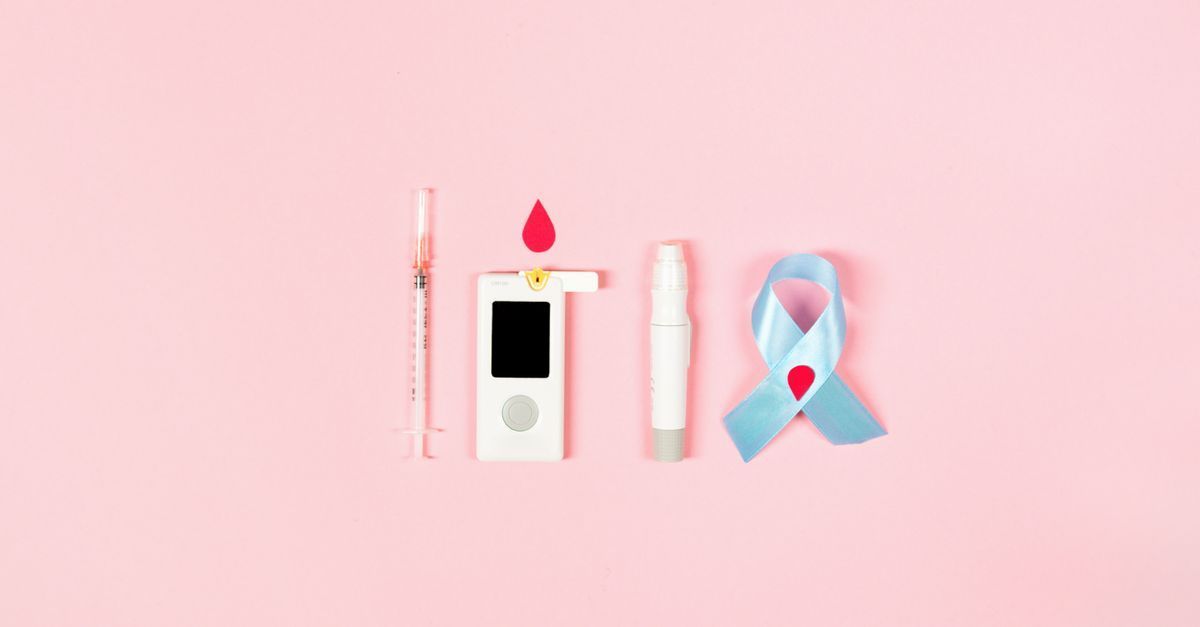
What is insulin therapy?
Insulin is the hormone that moves glucose from the blood into cells. In type 1 diabetes, the pancreas makes little or none, so insulin is essential from diagnosis. In type 2 diabetes, insulin production declines over years, and many people eventually need insulin, often alongside tablets or GLP-1 medicines. Starting insulin is not a failure; it is a tool to protect your organs from high sugar.
Who is it for?
- Everyone with type 1 diabetes
- People with type 2 diabetes whose HbA1c remains high despite other medicines
- Those with very high glucose at diagnosis, with symptoms such as weight loss and thirst
- Pregnant women whose diabetes is not controlled with diet
- Patients during serious illness or surgery, temporarily
Call 119 for severe low blood sugar with confusion, seizure or unconsciousness, or very high sugar with vomiting, abdominal pain and drowsiness.
What happens at the clinic
- Decision: the doctor explains why insulin is recommended and which regimen fits your routine.
- Injection training: a nurse or educator demonstrates pen use, needle attachment, priming, injection sites (abdomen, thighs, upper arms) and site rotation.
- Glucose monitoring: you learn when to check fasting and other readings, or set up a CGM.
- Dose titration: you receive a written plan to adjust the dose, often every three days, based on fasting readings.
- Hypoglycemia plan: how to recognise and treat lows, and when to call the clinic.
Living with insulin
Basal insulin controls background glucose, while mealtime insulin covers carbohydrates at meals. Consistent meal timing helps, and Korean meals with large rice portions may need matched mealtime doses or smaller portions. Treat low sugar with about 15 g of fast sugar, such as juice or glucose tablets, recheck after 15 minutes, and repeat if needed. Tell family or colleagues how to help.
Risks and side effects
Low blood sugar is the main risk, especially with missed meals, extra exercise or alcohol. Weight gain is common. Injecting repeatedly into the same spot causes lumps (lipohypertrophy) that disrupt absorption. Never share pens, even with a new needle.
Choosing a clinic for insulin therapy in Seomyeon
- Choose a clinic with a diabetes educator who teaches injection technique hands-on.
- Ask for a written titration plan and a contact for dose questions.
- Ask whether CGM can be used to guide dosing.
- Confirm which insulin brands are stocked at nearby pharmacies.
- If travelling, ask for a letter describing your insulin and supplies.
Travelling with insulin
Keep insulin in hand luggage, protected from heat and freezing, and carry spare pens and needles. Pharmacies near Seomyeon Station can fill Korean prescriptions if a local doctor has seen you.
Key facts
- Used for: type 1 diabetes, type 2 diabetes not controlled on other medicines, pregnancy, some hospital situations
- Types: long-acting (basal), rapid-acting (mealtime), premixed
- Device: mostly prefilled pens with fine needles; pumps for some
- Starting dose: usually low, adjusted every few days
- Monitoring: finger-prick or CGM
- Main risk: low blood sugar (hypoglycemia)
- Storage: unopened in the fridge; in-use pen at room temperature for a limited time
Frequently asked questions
Does starting insulin mean my diabetes is getting worse?
Type 2 diabetes naturally progresses as insulin production declines. Starting insulin helps protect your organs from high sugar. Some people can later reduce insulin after weight loss or with other medicines.
Do insulin injections hurt?
Modern pen needles are very short and thin, and most people feel only a slight prick. Rotating sites and using a new needle each time reduces discomfort.
How should I store insulin?
Keep unopened pens in the refrigerator, not frozen. The pen in use can usually stay at room temperature for a limited number of weeks; check the product leaflet. Avoid heat and direct sunlight.
What should I do if my blood sugar is low?
Take about 15 g of fast-acting sugar, such as juice or glucose tablets, recheck after 15 minutes, and repeat if still low. Eat a snack afterwards. Call 119 if the person is unconscious.
Can I travel with insulin on a plane?
Yes. Carry insulin in hand luggage with a doctor's letter, spare supplies, and a cool pouch if needed. Never put insulin in checked baggage, where it may freeze.
Medical disclaimer: Seomyeon.Clinic is an independent information directory. Content is for general education and does not replace a consultation with a licensed physician. Suitability, risks, results and costs vary by person and clinic. In an emergency in Korea, call 119.