
Continuous Glucose Monitoring in Seomyeon, Busan
Continuous glucose monitoring (CGM, 연속혈당측정기) uses a small sensor worn on the arm or abdomen to measure glucose every few minutes, day and night, sending readings to a phone or reader. In Seomyeon, endocrinology clinics help patients choose and apply sensors, set alerts, and review the data reports at follow-up visits, often focusing on time in range and preventing low blood sugar.
Independent patient guide · Medically informative, not a substitute for a doctor's advice · Last reviewed:
What is continuous glucose monitoring?
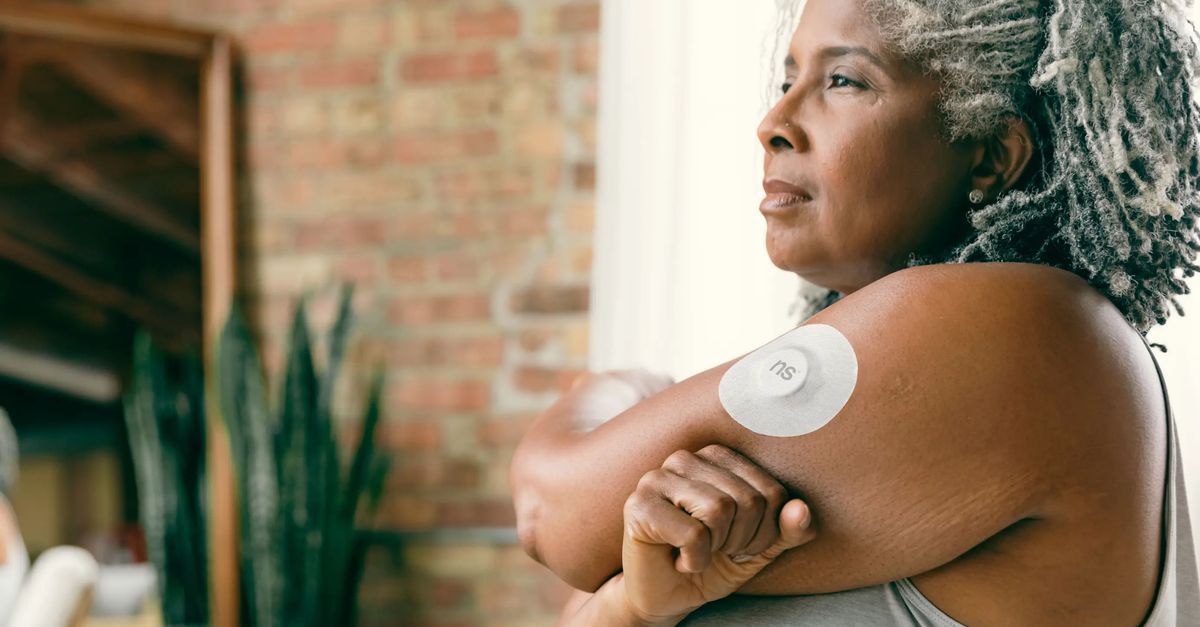
A CGM sensor has a tiny flexible filament inserted just under the skin, measuring glucose in the fluid between cells. Readings are taken every few minutes and shown as a graph with trend arrows on a smartphone or reader. Compared with finger-prick testing, CGM reveals patterns such as after-meal spikes, overnight lows and the effects of exercise, stress and specific foods. Some systems link with insulin pumps.
Who is it for?
- People with type 1 diabetes
- People with type 2 diabetes on insulin, particularly multiple daily injections
- Those with frequent or unrecognised low blood sugar (hypoglycemia unawareness)
- Pregnant women with diabetes, under specialist care
- People on other medicines wanting short-term insight into glucose patterns, as advised by their doctor
Symptoms of severe low blood sugar, such as confusion, seizure or unconsciousness, or very high sugar with vomiting and drowsiness, need urgent help: call 119.
What happens at the clinic
- Assessment: the doctor reviews your treatment and goals to decide whether CGM is useful and which type suits you.
- Sensor application: a nurse or educator shows you how to apply the sensor, usually to the back of the upper arm, and pair it with your phone.
- Alert settings: low and high thresholds are set to match your situation.
- Living with CGM: you wear the sensor during daily life, noting meals, exercise and medicine.
- Data review: at follow-up, the doctor reviews an ambulatory glucose profile report and adjusts treatment.
Treatment outlook
CGM use is associated with better HbA1c and fewer low-sugar episodes in insulin users. Time in range, time below range and glucose variability give a fuller picture than HbA1c alone. Many people find real-time feedback motivating for diet and exercise changes.
Risks and limitations
Skin irritation or allergy to the adhesive can occur; rotating sites and barrier products help. Sensors measure interstitial fluid, which lags behind blood glucose by several minutes, so confirm with a finger prick when symptoms do not match readings or during rapid changes. Some medicines and high-dose vitamin C can affect certain sensors. Remove sensors before MRI or CT scans, as instructed by the manufacturer.
Choosing a clinic for CGM in Seomyeon
- Ask which CGM systems the clinic supports and how data are shared.
- Check whether a diabetes educator teaches application and interpretation.
- Ask how often reports are reviewed and how treatment will be adjusted.
- Ask about supply and replacement if a sensor falls off early.
- If visiting, confirm whether your sensor brand is available in Korea.
Travel tips
Carry spare sensors and a finger-prick meter. Airport scanners and sensors have specific guidance; check your device instructions before flying out of Gimhae. Clinics in Seomyeon can help if a sensor fails during your stay.
Key facts
- Measures: interstitial glucose every few minutes
- Sensor wear: typically about 10–15 days, depending on the model
- Application: quick, nearly painless applicator
- Key metric: time in range (often 70–180 mg/dL), commonly targeted above 70%
- Best for: insulin users, type 1 diabetes, frequent or unnoticed hypoglycemia
- Alerts: high and low glucose alarms on many devices
Frequently asked questions
How long does a CGM sensor last?
Most sensors last about 10 to 15 days, depending on the model. Some implantable systems last longer. Replace sensors as instructed by the manufacturer.
Does inserting a CGM sensor hurt?
Most people feel little or nothing. The applicator inserts a thin flexible filament quickly. Mild skin irritation from the adhesive is the more common complaint.
What is time in range?
It is the percentage of time your glucose stays within a target range, often 70 to 180 mg/dL. Many people with diabetes aim for more than 70 percent, with very little time below 70 mg/dL.
Can I swim or shower with a CGM?
Most sensors are water-resistant for showering and swimming within limits specified by the manufacturer. Check your device's guidance on depth and duration.
Do I still need finger-prick tests with CGM?
Less often, but yes in some situations: when symptoms do not match readings, when glucose is changing rapidly, or if your device requires calibration.
Medical disclaimer: Seomyeon.Clinic is an independent information directory. Content is for general education and does not replace a consultation with a licensed physician. Suitability, risks, results and costs vary by person and clinic. In an emergency in Korea, call 119.