
Whole-Body MRI in Seomyeon, Busan
Whole-body MRI uses magnetic fields and radio waves, without radiation, to image most of the body in one session, typically the brain, neck, chest, abdomen, pelvis and spine. Around Seomyeon, some screening centres and imaging facilities offer it as an elective scan lasting about 45–90 minutes. It can reveal some tumours and structural problems, but its value for screening healthy people is uncertain and incidental findings are common.
Independent patient guide · Medically informative, not a substitute for a doctor's advice · Last reviewed:
What is whole-body MRI?
MRI produces detailed images of soft tissues such as the brain, liver, kidneys, pancreas, pelvic organs, bone marrow and spine. A whole-body protocol scans multiple regions in sequence, often using diffusion-weighted imaging that highlights areas with densely packed cells, which can occur in tumours. Unlike CT or PET-CT, it involves no ionising radiation, which makes it attractive for repeated imaging.
Who is it for?
- People with inherited cancer predisposition syndromes, such as Li-Fraumeni syndrome, where specialist guidelines recommend regular whole-body MRI
- Selected patients being assessed or monitored for certain cancers, such as multiple myeloma, under specialist care
- Adults considering elective screening who understand its benefits and limitations
For people at average risk, major medical bodies do not recommend whole-body MRI for routine screening, because it has not been shown to improve health outcomes and frequently leads to further tests. Evidence-based screening, such as endoscopy, colonoscopy, mammography and low-dose chest CT for smokers, should come first. New symptoms need targeted diagnostic imaging rather than a screening scan.
What happens at the imaging centre
- Safety screening: a detailed questionnaire about implants, pacemakers, metal fragments, pregnancy and kidney function if contrast is used.
- Preparation: remove all metal and change into a gown; fasting may be requested for abdominal sequences.
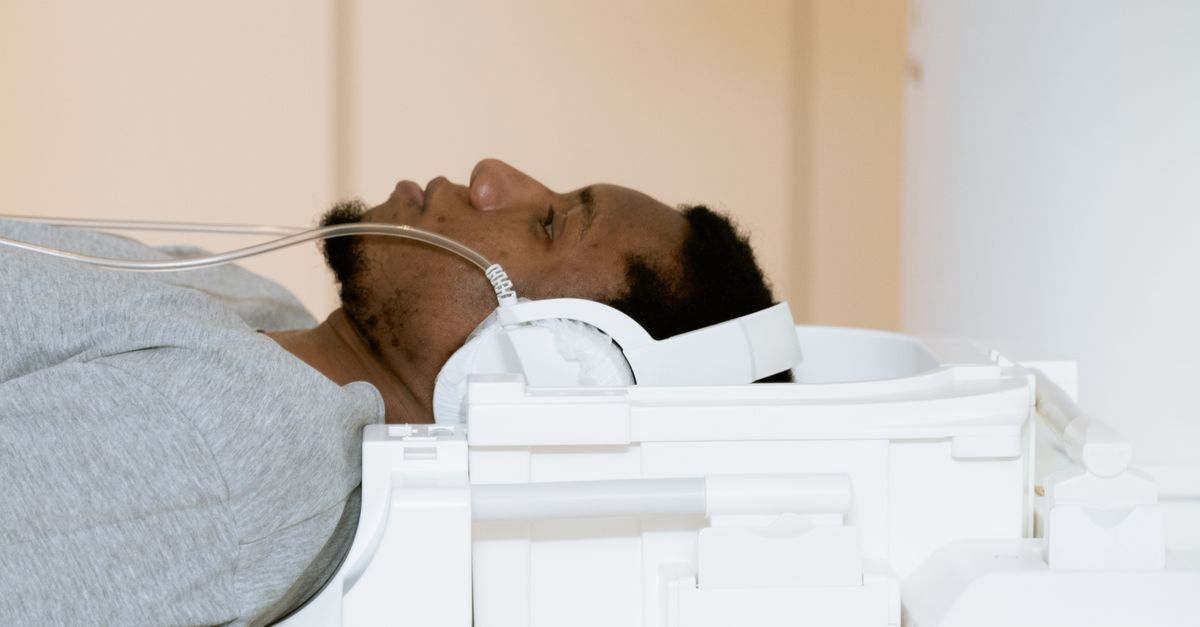
- Positioning: you lie on the table, with coils placed over parts of your body; earplugs or headphones reduce noise.
- Scanning: you stay still for several sequences, sometimes holding your breath briefly.
- Reporting: a radiologist reviews the images, which can take several days given the volume of data.
After the scan
You can resume normal activities immediately. Expect that the report may mention incidental findings, such as cysts, small nodules or degenerative changes, most of which are harmless. A doctor should explain which findings matter and which follow-up, if any, is sensible.
Risks and limitations
MRI is very safe for most people, but metal implants and devices can be hazardous, and confined spaces can cause anxiety. Contrast agents carry small risks. Whole-body MRI may miss small cancers in the lungs, stomach, colon and breast that targeted tests detect better, and false positives can lead to biopsies and anxiety.
Choosing a whole-body MRI provider in Seomyeon
- Ask which body regions and sequences are included and the scan duration.
- Ensure images are read by a radiologist experienced in whole-body protocols.
- Ask how incidental findings are explained and referred.
- Make sure evidence-based screening tests are not skipped in favour of MRI.
- Request images on disc or via a portal for future comparison.
On the day
Wear metal-free clothing and allow plenty of time. Imaging facilities serving Seomyeon are reachable on Lines 1 and 2.
Key facts
- Radiation: none
- Scan time: about 45–90 minutes
- Contrast: sometimes used, depending on protocol
- Not suitable: some pacemakers and metal implants; severe claustrophobia may need sedation
- Evidence: established for certain high-risk genetic syndromes; limited for general screening
- Common issue: incidental findings needing further tests
- Typical NHI coverage: elective screening use is self-paid
Frequently asked questions
Is whole-body MRI a good cancer screening test?
For people at average risk, it is not recommended as routine screening because evidence of benefit is lacking and incidental findings are common. It is useful for certain high-risk genetic conditions under specialist guidance.
Does whole-body MRI use radiation?
No. MRI uses magnetic fields and radio waves, not ionising radiation, which makes it safe to repeat. Contrast dye may be used in some protocols.
How long does a whole-body MRI take?
Usually about 45 to 90 minutes, depending on the regions scanned and the sequences used. You need to stay still throughout.
Can I have an MRI with metal implants?
Many modern implants are MRI-safe, but some pacemakers, older devices and metal fragments are not. Tell the centre about every implant and bring device information.
What can whole-body MRI miss?
It can miss small cancers of the lungs, stomach, colon, breast and skin, which are better detected by low-dose CT, endoscopy, colonoscopy, mammography and skin examination.
Medical disclaimer: Seomyeon.Clinic is an independent information directory. Content is for general education and does not replace a consultation with a licensed physician. Suitability, risks, results and costs vary by person and clinic. In an emergency in Korea, call 119.