
PET-CT Scan in Seomyeon, Busan
A PET-CT scan combines positron emission tomography, which shows metabolic activity after injection of a radioactive sugar tracer (FDG), with CT anatomy. It is mainly used to stage and monitor cancer and evaluate certain heart, brain and infection problems. In Busan, PET-CT is performed at hospitals and specialised imaging centres; the visit takes about two to three hours, including a rest period after the tracer injection.
Independent patient guide · Medically informative, not a substitute for a doctor's advice · Last reviewed:
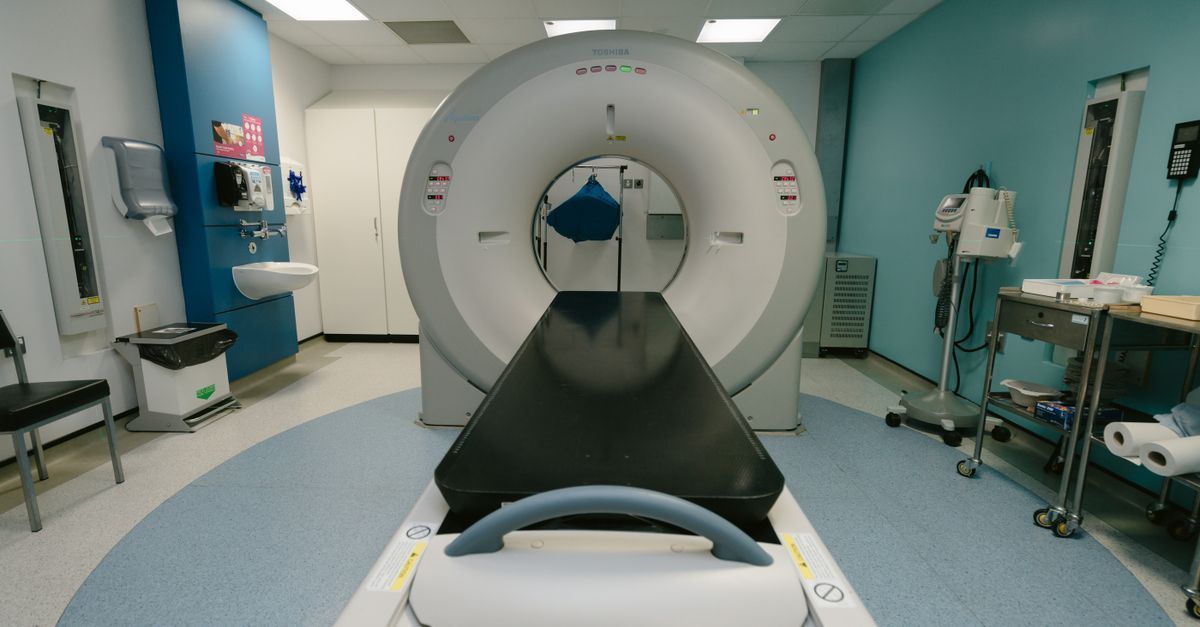
What is a PET-CT scan?
Many cancer cells take up more glucose than normal tissue. In FDG PET-CT, a small amount of radioactive glucose analogue is injected, and after about an hour, the scanner detects where it accumulates, overlaying this on CT images to pinpoint locations. This helps doctors see how far a known cancer has spread, whether treatment is working, and whether cancer has returned. Other tracers are used for specific cancers, such as prostate cancer.
Who is it for?
- People with newly diagnosed cancers where staging affects treatment, such as lymphoma, lung, esophageal, head and neck and others
- Patients monitoring response to chemotherapy or after treatment
- Selected heart patients assessing heart muscle viability, and some neurological or infection cases
PET-CT is generally not recommended for screening people without symptoms or known cancer. It involves significant radiation, can miss some cancers such as small or low-activity tumours, and can light up with inflammation or infection, causing false alarms. Some screening centres offer it; discuss carefully with a doctor before choosing it.
What happens at the imaging centre
- Preparation: fast for about 4–6 hours, drink water, and avoid strenuous exercise for a day. People with diabetes receive specific instructions, since high blood sugar affects image quality.
- Check-in: blood sugar is measured, and an IV line is placed.
- Tracer injection and rest: after injection, you rest quietly for about an hour, avoiding talking and moving, so the tracer distributes evenly.
- Scan: you lie on the table as it moves through the scanner for about 15–30 minutes.
- Reporting: a nuclear medicine specialist interprets the images, often within a few days.
After the scan
Drink plenty of water to help clear the tracer. Because you emit a small amount of radiation for several hours, centres often advise avoiding close contact with pregnant women and young children for the rest of the day. Results are discussed by your treating doctor.
Risks and limitations
Radiation exposure is higher than most imaging tests. The tracer rarely causes allergic reactions. Inflammation, infection and normal tissues such as the brain and bladder take up FDG, complicating interpretation. Some cancers, including certain slow-growing tumours, may not show well.
Choosing a PET-CT provider in Busan
- Ensure there is a clear medical reason, ideally referred by your treating specialist.
- Ask about preparation for diabetes and medicine adjustments.
- Confirm the report is read by a nuclear medicine specialist.
- Request images on disc for your oncology team.
- Be cautious of PET-CT marketed as general screening for healthy people.
Location note
PET-CT scanners are mainly located in hospitals; a clinic in Seomyeon can help arrange referral and explain results afterwards.
Key facts
- Main uses: cancer staging, treatment response, recurrence; some heart and brain indications
- Tracer: FDG, a radioactive glucose analogue, injected into a vein
- Preparation: fast about 4–6 hours; avoid strenuous exercise the day before; diabetes plan needed
- Visit time: about 2–3 hours; scan itself about 15–30 minutes
- Radiation: higher than most diagnostic tests
- Screening use: not recommended for healthy people
- Results: usually within a few days
Frequently asked questions
Is PET-CT a good test for cancer screening?
Not for healthy people. It involves considerable radiation, can miss some cancers, and often produces false positives from inflammation. It is mainly used for staging and monitoring known cancer.
How should I prepare for a PET-CT scan?
Fast for about four to six hours, drink water, avoid strenuous exercise the day before, and follow special instructions if you have diabetes. Wear comfortable clothes without metal.
How long does a PET-CT scan take?
Plan for about two to three hours in total. After the tracer injection you rest for around an hour, and the scan itself takes about 15 to 30 minutes.
Is the radiation from PET-CT dangerous?
The dose is higher than most imaging tests, so PET-CT is used when the benefit is clear, such as cancer staging. Doctors avoid unnecessary repeat scans.
Can I be around children after a PET-CT?
Centres often advise limiting close contact with pregnant women and young children for several hours after the scan while the tracer decays. Follow the centre's guidance.
Medical disclaimer: Seomyeon.Clinic is an independent information directory. Content is for general education and does not replace a consultation with a licensed physician. Suitability, risks, results and costs vary by person and clinic. In an emergency in Korea, call 119.