
Low-Dose Chest CT in Seomyeon, Busan
A low-dose chest CT (저선량 흉부 CT) is a quick scan that uses much less radiation than a standard CT to look for early lung cancer in people at high risk, mainly current or former heavy smokers aged roughly 50–74. In Seomyeon-area screening centres, the scan takes a few minutes with one breath-hold and no injection. A radiologist reports any nodules and recommends follow-up based on their size and type.
Independent patient guide · Medically informative, not a substitute for a doctor's advice · Last reviewed:
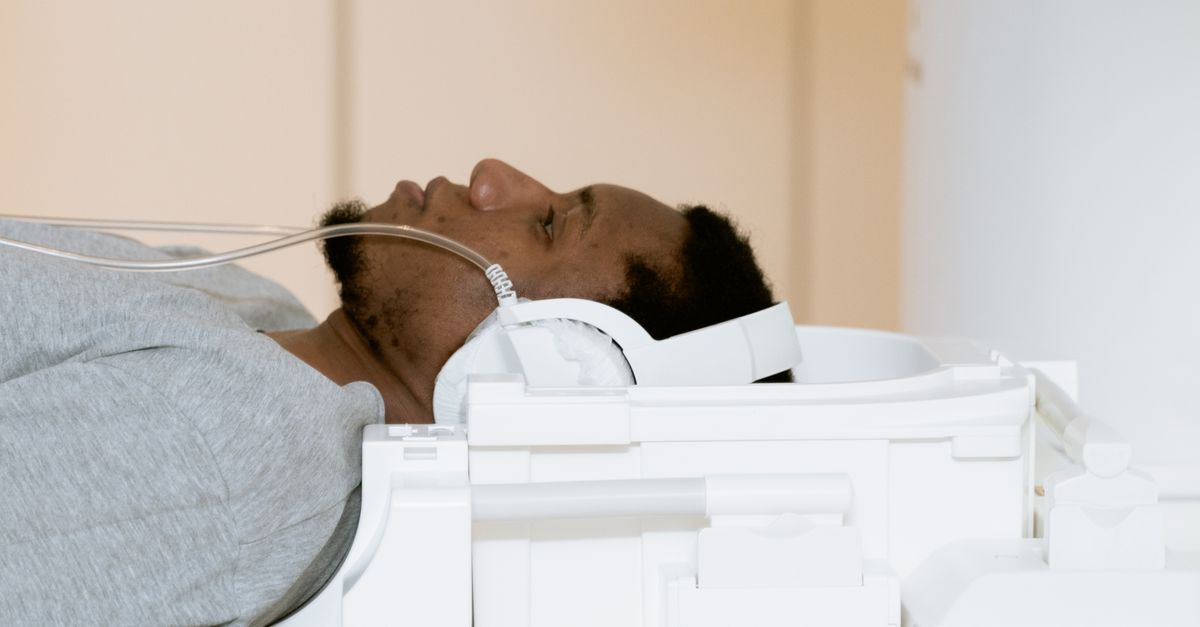
What is a low-dose chest CT?
Lung cancer is often found late because early stages rarely cause symptoms. Large studies have shown that screening high-risk smokers with low-dose CT can find cancers earlier and reduce lung cancer deaths. A chest X-ray is not sensitive enough for this purpose. Low-dose CT takes detailed cross-sectional images of the lungs using reduced radiation, and results are commonly reported using standardised categories such as Lung-RADS.
Who is it for?
- Adults roughly 50–74 with a heavy smoking history, typically measured in pack-years (packs per day multiplied by years smoked)
- Current smokers and those who quit within the last several years
- Some people with other strong risk factors, after discussion with a doctor
It is generally not recommended for people at low risk, such as never-smokers without other strong risk factors, because harms may outweigh benefits. Coughing up blood, persistent cough, chest pain or unexplained weight loss need diagnostic evaluation rather than screening; severe breathlessness or chest pain needs 119.
What happens at the screening centre
- Eligibility discussion: smoking history and overall health are reviewed, along with the benefits and limitations of screening.
- Preparation: none needed; remove metal from the chest area.
- Scanning: you lie on the CT table with arms above your head and hold your breath for several seconds.
- Reporting: a radiologist reviews the images for nodules and other findings, such as emphysema or coronary calcium.
- Results and plan: the doctor explains findings and the recommended interval or next test.
After the scan
Most people have either no nodules or small nodules with very low cancer risk, needing only routine screening intervals. Some nodules need a short-interval repeat scan to check for growth; a small number lead to PET-CT, biopsy or specialist referral. Screening is most valuable combined with quitting smoking, which remains the single most effective way to reduce lung cancer risk.
Risks and limitations
Radiation is low but not zero, and accumulates with repeated scans. False positives are common, leading to extra scans and occasionally invasive procedures. Some cancers may be missed or found that would never have caused harm. Screening works best as an organised, repeated program rather than a one-off scan.
Choosing a centre for low-dose chest CT in Seomyeon
- Confirm the centre uses a true low-dose protocol.
- Ask whether reports use standardised nodule categories with clear follow-up recommendations.
- Ask whether smoking-cessation support is offered alongside screening.
- Keep images so future scans can be compared accurately.
- Ask about referral pathways to pulmonology or thoracic surgery if needed.
Quitting smoking in Busan
Public health centres and many clinics offer smoking-cessation support. A scan in Seomyeon is a good moment to start; the area is a short ride from most parts of the city.
Key facts
- Purpose: early detection of lung cancer
- Eligible group: roughly ages 50–74 with a heavy smoking history, current or quit within recent years
- Scan time: a few minutes; one breath-hold
- Contrast: none
- Radiation: substantially lower than a standard chest CT
- Common finding: small nodules, most benign
- Repeat: often yearly or every two years for eligible people, as advised
Frequently asked questions
Who should get a low-dose chest CT?
Mainly adults aged roughly 50 to 74 with a heavy smoking history, whether current smokers or those who quit within recent years. Your doctor can calculate pack-years and assess eligibility.
Is low-dose CT safe?
It uses much less radiation than a standard CT. The main downsides are false positives and incidental findings that may lead to additional tests. For eligible smokers, benefits usually outweigh these risks.
What does a lung nodule on CT mean?
Lung nodules are common and most are benign, such as old scars or inflammation. Size, shape and growth over time determine whether follow-up scans or further tests are needed.
Why not just use a chest X-ray?
Chest X-rays are not sensitive enough to find small early lung cancers and have not been shown to reduce lung cancer deaths when used for screening.
Should non-smokers have low-dose chest CT?
Routine screening of never-smokers is generally not recommended, although some people with strong family history or other exposures may discuss it with their doctor.
Medical disclaimer: Seomyeon.Clinic is an independent information directory. Content is for general education and does not replace a consultation with a licensed physician. Suitability, risks, results and costs vary by person and clinic. In an emergency in Korea, call 119.