
COPD Management in Seomyeon, Busan
COPD management is the long-term care of chronic obstructive pulmonary disease, a lung condition causing persistent breathlessness, cough and sputum, usually linked to smoking. In Seomyeon, internal medicine clinics confirm it with a spirometry breathing test and chest X-ray, then prescribe long-acting inhalers, smoking-cessation support and vaccinations. Regular reviews every few months help prevent flare-ups.
Independent patient guide · Medically informative, not a substitute for a doctor's advice · Last reviewed:
What is COPD?
Chronic obstructive pulmonary disease is a lasting narrowing of the airways and damage to the air sacs, usually caused by years of cigarette smoking, and sometimes by occupational dust, biomass smoke or air pollution. Unlike asthma, airflow does not fully return to normal with medicine. COPD tends to progress slowly, but good management can relieve symptoms, reduce flare-ups and keep you active.
Symptoms and when to see a doctor
- Breathlessness on stairs or slopes that is gradually worsening
- A daily cough with phlegm, especially in the morning
- Frequent chest infections or bronchitis each winter
- Being over 40 with a history of smoking, even if you feel well
Call 119 for severe breathlessness at rest, blue lips, chest pain, confusion or drowsiness.
What happens at the clinic
- History: smoking pack-years, work exposures, breathlessness level and past flare-ups.
- Spirometry: a breathing test after a bronchodilator confirms persistent airflow limitation and grades severity.
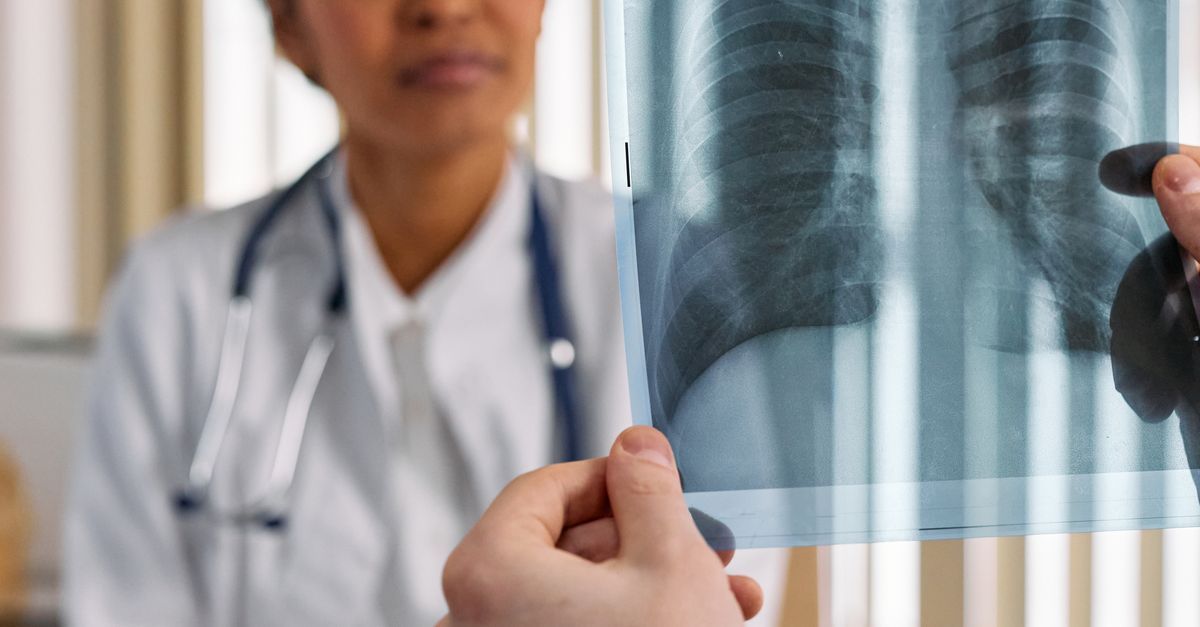
- Imaging and tests: chest X-ray to exclude other causes; oxygen saturation; sometimes blood tests or a CT scan.
- Treatment plan: long-acting inhalers chosen by symptoms and flare-up risk, with inhaler technique checked.
- Prevention: smoking-cessation support, vaccinations and referral for pulmonary rehabilitation where available.
Treatment outlook
Stopping smoking is the single most effective way to slow lung function decline at any stage. Long-acting bronchodilators ease breathlessness and reduce flare-ups; inhaled steroids are added mainly for people with frequent flare-ups and higher eosinophil counts. Pulmonary rehabilitation, an exercise and education program, improves stamina and quality of life. Advanced disease may need home oxygen, assessed at a hospital.
Risks and side effects
Inhaled steroids slightly raise the risk of pneumonia and oral thrush. Some bronchodilators cause dry mouth or a fast heartbeat. Flare-ups, often triggered by infections, can be serious; your doctor may give a written plan, sometimes with standby antibiotics or steroids, and tell you when to seek help.
Choosing a clinic for COPD care in Seomyeon
- Make sure diagnosis is based on spirometry, not symptoms or X-ray alone.
- Ask whether the clinic offers structured smoking-cessation counselling and medication.
- Check that inhaler technique is reviewed at every visit.
- Ask about pulmonary rehabilitation options or exercise referrals in Busan.
- Confirm a plan for winter, including vaccines and what to do in a flare-up.
Getting to appointments
Many people with COPD find stairs tiring. Seomyeon's metro stations have lifts and escalators, and clinics close to the Line 1–2 interchange reduce walking between appointments.
Key facts
- Condition: chronic bronchitis and emphysema (COPD)
- Diagnosis: post-bronchodilator spirometry, chest X-ray, sometimes CT
- Main treatment: long-acting bronchodilator inhalers (LAMA, LABA), sometimes with inhaled steroid
- Most important step: stopping smoking
- Vaccines: flu, pneumococcal and others as advised
- Follow-up: every 3–6 months, sooner after a flare-up
- Typical NHI coverage: tests and standard inhalers covered for enrollees
Frequently asked questions
What is the difference between COPD and asthma?
Asthma usually starts earlier, varies a lot, and airflow returns close to normal with treatment. COPD typically develops after age 40 in smokers, causes persistent airflow limitation, and progresses slowly. Some people have features of both.
Can COPD be reversed?
The lung damage of COPD cannot be fully reversed, but stopping smoking slows decline, and inhalers, exercise and rehabilitation can greatly improve breathlessness and daily function.
Is spirometry painful?
No. You breathe in fully and blow out as hard and long as possible into a mouthpiece several times. It can make you briefly light-headed or cough, but it is quick and safe.
Which vaccines should people with COPD get?
Annual flu vaccination and pneumococcal vaccination are standard. COVID-19 and other vaccines may also be advised. Vaccines reduce infections that trigger serious flare-ups.
When is a COPD flare-up an emergency?
Call 119 if you are severely breathless at rest, your lips or fingertips turn blue, you feel confused or drowsy, or you have chest pain. Worsening cough and sputum without these signs warrants a prompt clinic visit.
Medical disclaimer: Seomyeon.Clinic is an independent information directory. Content is for general education and does not replace a consultation with a licensed physician. Suitability, risks, results and costs vary by person and clinic. In an emergency in Korea, call 119.