
Asthma Treatment in Seomyeon, Busan
Asthma treatment controls chronic inflammation and narrowing of the airways that cause wheezing, cough and breathlessness. At an internal medicine clinic in Seomyeon, the first visit typically includes a spirometry breathing test before and after a bronchodilator, sometimes with an exhaled nitric oxide test. Most patients use an inhaled steroid-containing inhaler, reviewed every few months, with a written plan for flare-ups.
Independent patient guide · Medically informative, not a substitute for a doctor's advice · Last reviewed:
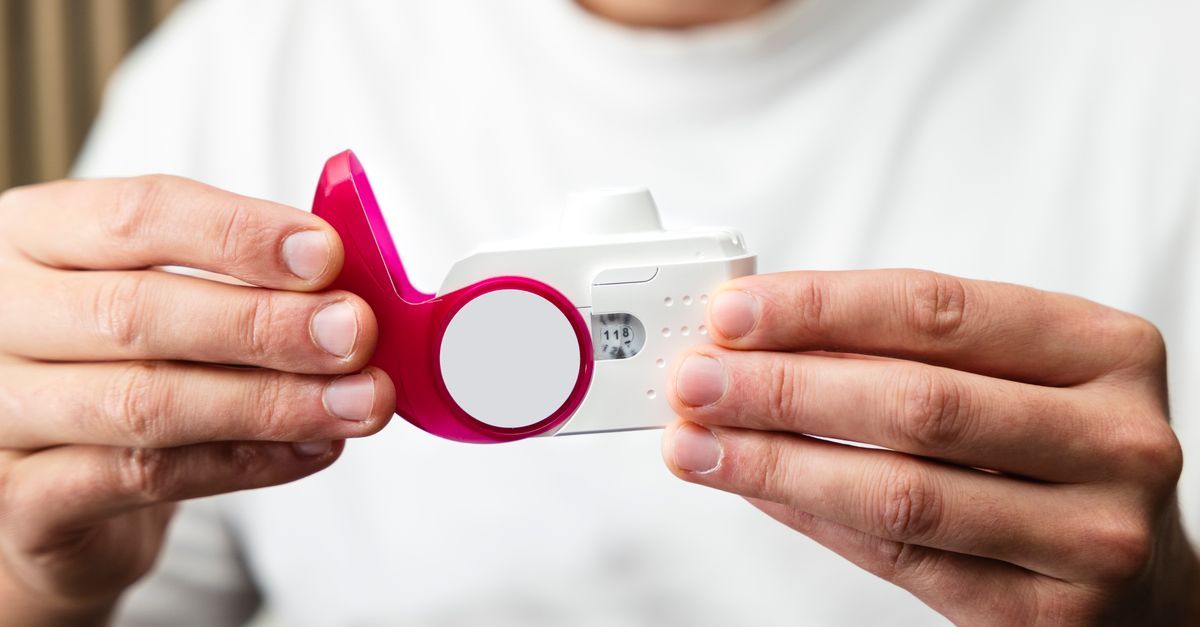
What is asthma?
Asthma is a long-term condition in which the airways are inflamed and overly sensitive. Triggers such as viral infections, allergens, cold air, exercise, smoke or air pollution cause the airway muscles to tighten and the lining to swell, producing wheeze, chest tightness, cough and breathlessness. Symptoms often vary through the day and are worse at night or early morning. Asthma can start at any age.
Symptoms and when to see a doctor
- Recurring wheeze or chest tightness
- A cough that lingers for weeks, especially at night or after exercise
- Breathlessness with colds or on high fine-dust (미세먼지) days
- Needing a reliever inhaler more than a couple of times a week
Call 119 or go to an emergency room if you cannot speak in full sentences, your lips turn blue, your reliever is not helping, or you are getting drowsy or confused.
What happens at the clinic
- History: pattern of symptoms, triggers, allergies, smoking, occupation and family history.
- Spirometry: you blow hard into a device before and after a bronchodilator to measure airflow and reversibility.
- Additional tests: exhaled nitric oxide (FeNO), chest X-ray, blood eosinophils or allergy testing when helpful.
- Inhaler choice and technique: the doctor prescribes a controller and shows you how to use it, since poor technique is a major cause of treatment failure.
- Action plan: you receive written instructions on what to do when symptoms worsen.
Treatment outlook
Most people with asthma can live normal, active lives once it is controlled. Current international guidance favours inhalers containing a corticosteroid, often combined with formoterol, rather than relying on a quick reliever alone, because steroid-containing inhalers reduce severe attacks. Severe asthma not controlled despite good technique may be referred to a hospital for biologic therapy. Annual flu vaccination and avoiding smoke are recommended.
Risks and side effects
Inhaled steroids can cause hoarseness or oral thrush; rinsing your mouth after use helps. Relievers may cause a brief tremor or racing heart. Uncontrolled asthma itself carries the greatest risk, so do not stop controllers when you feel well without discussing it with your doctor.
Choosing a clinic for asthma treatment in Seomyeon
- Make sure spirometry is done on site rather than diagnosing on symptoms alone.
- Ask the doctor or nurse to check your inhaler technique at each visit.
- Ask for a written asthma action plan in English.
- Check whether allergy testing is available to identify triggers.
- Bring your current inhalers, as brands available in Korea may differ from home.
Breathing easy in Busan
Spring brings yellow dust and fine-dust days. Check air-quality forecasts and keep your reliever with you. Clinics near Seomyeon Station on both metro lines are convenient for regular reviews.
Key facts
- Treats: allergic and non-allergic asthma, cough-variant asthma
- Diagnostic tests: spirometry with bronchodilator, peak flow, sometimes FeNO or allergy tests
- Test time: spirometry about 15–30 minutes
- Main treatment: inhaled corticosteroid-based inhalers
- Follow-up: every 1–3 months until controlled, then every 3–6 months
- Typical NHI coverage: tests and standard inhalers covered for enrollees
Frequently asked questions
How is asthma diagnosed?
Doctors combine your symptom history with spirometry, a breathing test performed before and after a bronchodilator. An improvement after the medicine supports asthma. Peak flow diaries, FeNO tests or challenge tests may be used when results are unclear.
Can I get my asthma inhaler in Korea?
Most common inhaler types are available, though brand names may differ. A doctor must see you to prescribe. Bring your inhaler or its generic name and dose so an equivalent can be chosen.
Does fine dust in Korea make asthma worse?
Yes, high levels of fine particulate matter can trigger symptoms. On high-pollution days, limit outdoor exercise, consider a well-fitted mask such as a KF94, and make sure you are taking your controller regularly.
Will I need asthma medicine forever?
Many people need long-term controller treatment, but the dose can often be reduced once asthma is well controlled for several months. Changes should be made with your doctor, step by step.
What should I do during an asthma attack?
Use your reliever as instructed in your action plan, sit upright and stay calm. If you are not improving quickly, cannot speak in sentences, or your lips turn blue, call 119 immediately.
Medical disclaimer: Seomyeon.Clinic is an independent information directory. Content is for general education and does not replace a consultation with a licensed physician. Suitability, risks, results and costs vary by person and clinic. In an emergency in Korea, call 119.