
Brain MRI & MRA in Seomyeon, Busan
Brain MRI and MRA are scans that use magnetic fields instead of X-rays: MRI shows brain tissue in detail, while MRA shows the blood vessels of the head and neck. In Seomyeon, neurosurgery and imaging clinics typically perform both in about 20–45 minutes, usually without contrast for MRA, and review results with a specialist. They are used for symptoms and, selectively, for screening.
Independent patient guide · Medically informative, not a substitute for a doctor's advice · Last reviewed:
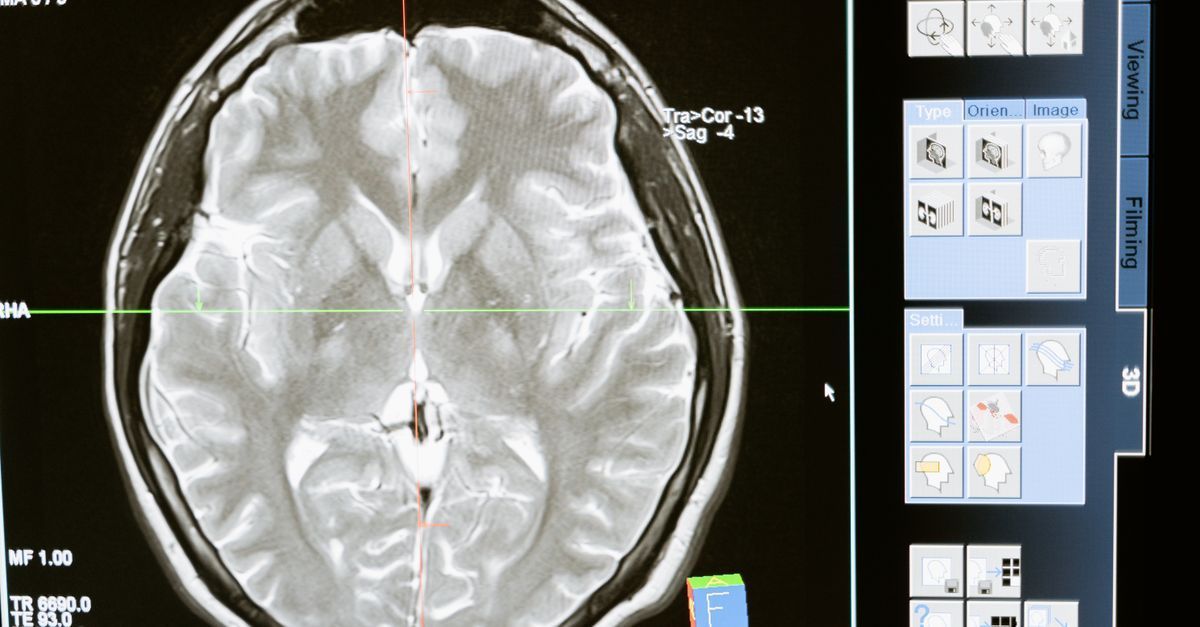
What are brain MRI and MRA?
Brain MRI (뇌 MRI) produces detailed images of brain tissue and can detect acute stroke, old silent strokes, white matter changes from small vessel disease, tumours, inflammation and structural abnormalities. MR angiography (MRA) uses the same scanner to visualise arteries, often without injected contrast, showing narrowing (stenosis), aneurysms and abnormal vessel connections. In Korea, brain MRI and MRA are widely available and are frequently included in health check-up packages as well as ordered for symptoms.
Who is it for?
- New or changing neurological symptoms: weakness, numbness, speech or vision changes
- Headaches with red flags, or atypical dizziness
- Seizures or memory decline
- People with strong stroke risk factors or a close family history of brain aneurysm
- Follow-up of known findings
For people without symptoms, the value of screening is debated. Scans can find small incidental findings that cause anxiety and further testing. Discuss your personal risk with a doctor first. For sudden stroke symptoms, call 119 rather than booking a clinic scan.
What happens at the clinic
- Consultation: a doctor reviews symptoms and risk factors and decides which sequences are needed.
- Safety screening: implants, pacemakers, metal fragments, pregnancy, kidney function if contrast is planned.
- Scan: you lie still with your head in a coil; the machine is loud, and earplugs are given.
- Report: a radiologist interprets the images.
- Explanation: a neurosurgeon or neurologist explains results and next steps.
After the scan
You can go about your day straight away unless sedation was used. If an incidental finding such as a small aneurysm or white matter change is seen, ask what it means, whether it needs treatment or monitoring, and how often. Request copies of images and an English report.
Risks and side effects
MRI is safe for most people; screening for metal and implants is essential. Claustrophobia can be managed with preparation or wider scanners. Contrast reactions are uncommon. The main downside of screening is incidental findings that may lead to further tests.
Choosing a clinic for brain MRI and MRA in Seomyeon
- Ask whether a specialist, not just a coordinator, will explain results.
- Ask which sequences and scanner strength (1.5T or 3T) will be used.
- For screening, ask whether the scan is justified by your risk factors.
- Ask how incidental findings are handled and who provides follow-up.
- Request your images in a portable format with an English report.
Getting there
Brain imaging is often combined with a day of check-ups. Seomyeon is a short ride from Busan Station on Line 1, and from Gimhae Airport via Sasang and Line 2.
Key facts
- MRI shows: stroke, small vessel disease, tumours, inflammation, brain shrinkage
- MRA shows: narrowed arteries, aneurysms, vascular malformations
- Scan time: about 20–45 minutes for both
- Radiation: none
- Contrast: MRA often done without; MRI contrast for specific questions
- Common reasons: neurological symptoms, stroke risk, family history of aneurysm
- Results: radiologist report plus specialist explanation
Frequently asked questions
What is the difference between brain MRI and MRA?
Brain MRI shows the brain tissue itself, while MRA focuses on blood vessels. They are often done together in one session to check both the brain and its arteries.
Can a brain MRI detect a stroke?
Yes. MRI is very sensitive for acute and old strokes. However, for sudden stroke symptoms, call 119 so emergency teams can treat you quickly.
Should I get a brain MRI as a health check?
It depends on your risk. People with strong risk factors or a family history of aneurysm may benefit. For low-risk people, incidental findings can lead to anxiety and extra tests.
Is brain MRI covered by National Health Insurance?
Brain MRI is covered when specific medical criteria are met, such as suspected neurological disease. Screening scans without symptoms are usually self-pay.
How long does a brain MRI and MRA take?
Usually about 20–45 minutes inside the scanner, depending on the sequences. Allow additional time for check-in, screening and the results consultation.
Medical disclaimer: Seomyeon.Clinic is an independent information directory. Content is for general education and does not replace a consultation with a licensed physician. Suitability, risks, results and costs vary by person and clinic. In an emergency in Korea, call 119.