
Carotid Ultrasound in Seomyeon, Busan
Carotid ultrasound (경동맥 초음파) is a painless scan of the arteries in the neck that supply the brain, checking for plaque, narrowing and wall thickness. In Seomyeon, cardiology and internal medicine clinics perform it in about 15–30 minutes while you lie on your back with your head turned. It helps assess stroke and cardiovascular risk and guides prevention, with results usually explained the same day.
Independent patient guide · Medically informative, not a substitute for a doctor's advice · Last reviewed:
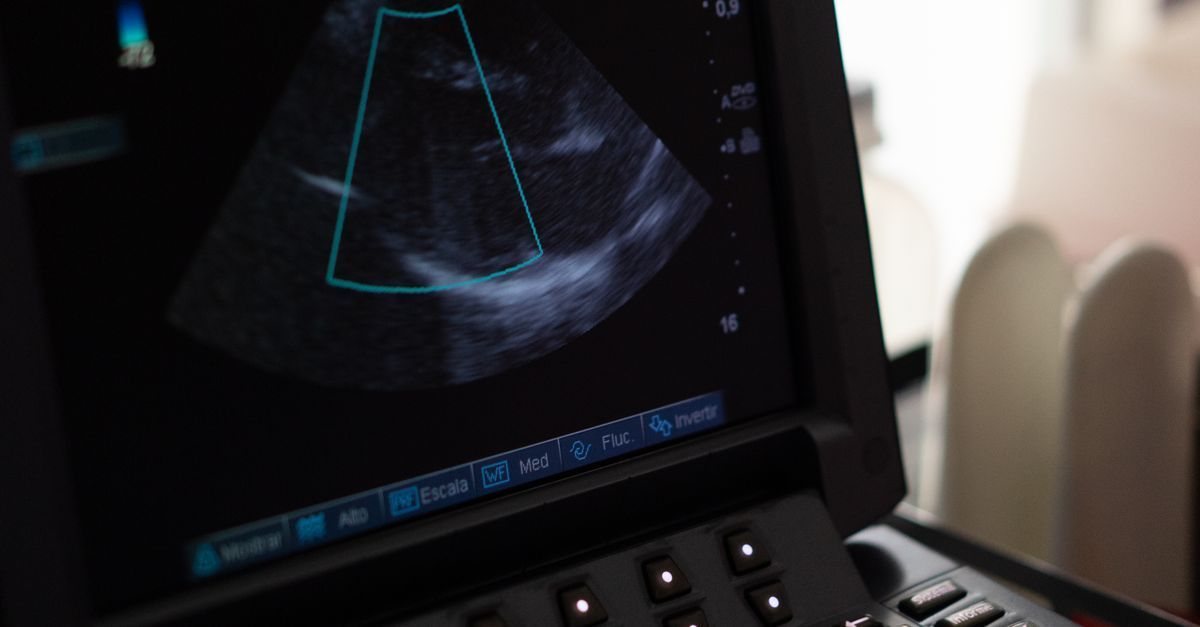
What is carotid ultrasound?
The carotid arteries run up each side of the neck. Atherosclerosis can cause plaque to build up here, narrowing the artery or breaking off to cause a stroke or transient ischemic attack (TIA). Carotid ultrasound uses standard imaging to see the artery walls and plaque, and Doppler to measure blood flow speed, which indicates the degree of narrowing. It may also measure intima-media thickness, an indicator of early arterial wall change.
Who is it for?
- People who have had a TIA or stroke
- Those with a carotid bruit (a whooshing sound heard with a stethoscope)
- Adults with multiple risk factors, such as high blood pressure, diabetes, smoking and high cholesterol, where plaque would change treatment decisions
- Follow-up of known carotid narrowing
- Some patients before heart surgery
Stroke symptoms are an emergency. Call 119 immediately for sudden facial drooping, arm or leg weakness, slurred speech, confusion, vision loss or severe headache, even if symptoms pass quickly.
What happens at the clinic
- Positioning: you lie on your back with your neck exposed and head turned slightly away from the side being scanned.
- Gel and probe: warm gel is applied and the probe is moved along the neck.
- Imaging and Doppler: the doctor examines plaque and measures flow velocities on both sides; you may hear the blood flow sounds.
- Measurements: intima-media thickness and degree of any narrowing are recorded.
- Explanation: results are discussed and a written report provided.
After the test
Wipe off the gel and resume normal activities. If plaque is found without significant narrowing, the focus is prevention: statins, blood pressure control, diabetes management and stopping smoking, with antiplatelet medicine in some cases. Significant narrowing, especially after stroke or TIA symptoms, may need further imaging and referral to a vascular or neurology specialist to consider procedures such as endarterectomy or stenting.
Risks and limitations
Carotid ultrasound is safe and painless, though probe pressure can be mildly uncomfortable. Accuracy depends on operator skill, and heavy calcification can obscure views. CT or MR angiography may be needed for clarification. Routine screening of people at low risk with no symptoms is generally not recommended because it rarely changes management.
Choosing a clinic for carotid ultrasound in Seomyeon
- Check that a physician experienced in vascular ultrasound performs or reviews the scan.
- Ask whether results include both plaque description and percentage narrowing.
- Ask how findings will change your treatment plan.
- If narrowing is found, ask about referral pathways in Busan.
- Request images or a report to compare with future scans.
Quick to schedule
No fasting is needed, so carotid ultrasound fits easily alongside other tests. Seomyeon is a short ride from Busan Station on Line 1.
Key facts
- Examines: common, internal and external carotid arteries
- Detects: plaque, stenosis (narrowing), intima-media thickness
- Test time: about 15–30 minutes
- Preparation: none; wear an open-necked top
- Radiation: none
- Results: usually same day
- Follow-up: repeat scans for significant narrowing
Frequently asked questions
What does a carotid ultrasound show?
It shows plaque build-up and narrowing in the neck arteries that supply the brain, blood flow speed, and sometimes the thickness of the artery wall. These help estimate stroke and cardiovascular risk.
Is a carotid ultrasound painful?
No. It uses gel and a handheld probe on your neck. You may feel some pressure, but the test is painless and uses no radiation or needles.
Who should get a carotid ultrasound?
People with stroke or TIA symptoms, a carotid bruit, or multiple cardiovascular risk factors where the result would change treatment. Routine scans for low-risk people without symptoms are generally not recommended.
What happens if plaque is found?
Mild plaque usually means stronger prevention, such as statins and blood pressure control. Significant narrowing may require further imaging and possibly a procedure, decided with a specialist.
Can carotid plaque cause a stroke?
Yes. Plaque can narrow the artery or release fragments that block brain vessels. Call 119 immediately for sudden facial drooping, weakness, speech problems or vision loss.
Medical disclaimer: Seomyeon.Clinic is an independent information directory. Content is for general education and does not replace a consultation with a licensed physician. Suitability, risks, results and costs vary by person and clinic. In an emergency in Korea, call 119.