
Arterial Stiffness Test in Seomyeon, Busan
An arterial stiffness test measures how quickly the pulse wave travels through your arteries (pulse wave velocity, PWV), often alongside the ankle-brachial index (ABI), which compares ankle and arm blood pressures. In Seomyeon, clinics perform it in about 10–15 minutes while you lie down with cuffs on your arms and ankles. It adds information about vascular ageing and leg artery disease.
Independent patient guide · Medically informative, not a substitute for a doctor's advice · Last reviewed:
What is an arterial stiffness test?
Healthy arteries are elastic and cushion each heartbeat. With age, high blood pressure, diabetes and smoking, arteries stiffen, and the pressure wave travels faster. Pulse wave velocity (동맥경화도 검사) estimates this stiffness. In Korean clinics, it is commonly performed with a device that measures brachial-ankle PWV using cuffs on both arms and ankles, and simultaneously calculates the ankle-brachial index. A low ABI suggests narrowed leg arteries (peripheral artery disease), which also indicates higher risk of heart attack and stroke.
Who is it for?
- Adults with high blood pressure, diabetes, high cholesterol or a smoking history
- People with leg pain or cramping on walking that eases with rest (claudication)
- Those having a broader heart or health check-up
- Patients monitoring vascular health over time
Sudden severe leg pain with a cold, pale leg is an emergency, as is any chest pain or stroke symptom: call 119.
What happens at the clinic
- Preparation: avoid smoking, caffeine and strenuous exercise for a few hours; rest quietly for several minutes before the test.
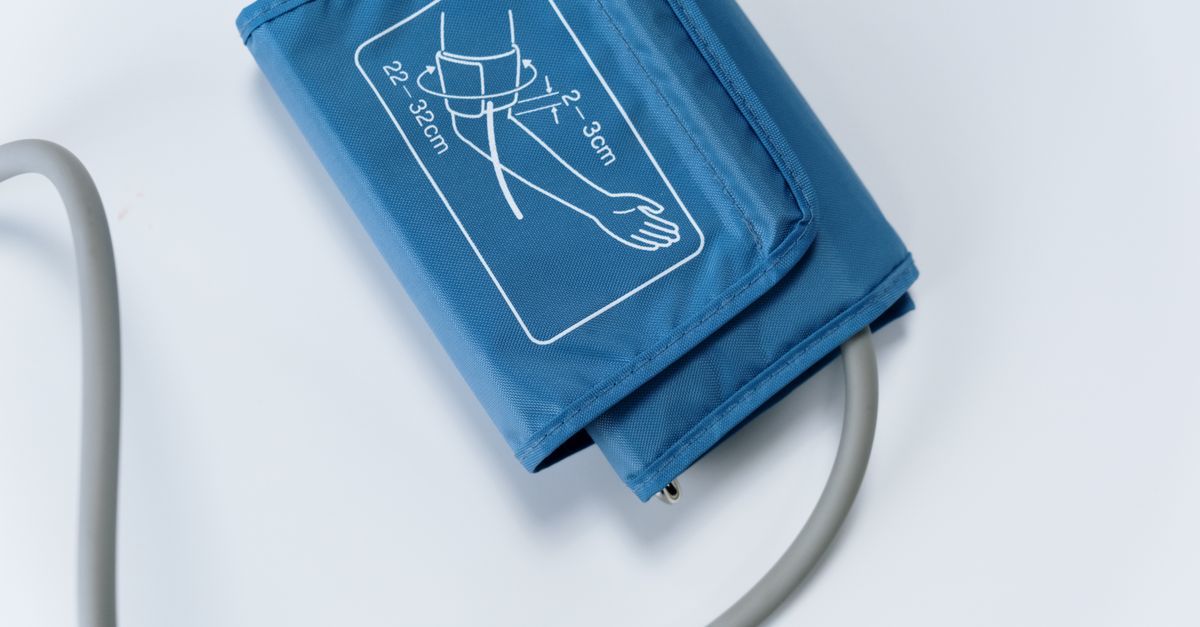
- Positioning: you lie on your back; blood pressure cuffs are wrapped around both upper arms and ankles, with ECG clips and a heart sound sensor.
- Measurement: the cuffs inflate simultaneously while the device records pulse waves; this takes a few minutes.
- Calculation: the device reports PWV, ABI and sometimes an estimated vascular age.
- Interpretation: the doctor explains results alongside your other risk factors.
Understanding results
Higher PWV indicates stiffer arteries and is associated with higher cardiovascular risk. An ABI between about 1.0 and 1.4 is typically normal; values of 0.9 or below suggest peripheral artery disease, while very high values can indicate calcified, non-compressible arteries common in diabetes or kidney disease. Abnormal results usually lead to stronger blood pressure, cholesterol and sugar control, smoking cessation, and further vascular tests if leg arteries are narrowed.
Risks and limitations
The test is safe and non-invasive; cuff squeezing may be briefly uncomfortable. Results vary with blood pressure, heart rate and age, and it should not be used alone to diagnose heart disease. Estimated vascular age figures are approximate. Irregular rhythms such as atrial fibrillation can reduce accuracy.
Choosing a clinic for arterial stiffness testing in Seomyeon
- Ask whether ABI is included alongside PWV.
- Ensure a physician interprets results with your full risk profile.
- Ask what follow-up is recommended for abnormal ABI, such as leg artery ultrasound.
- Check whether the clinic can repeat the test under similar conditions to track change.
- Request a printed report.
Part of a wider check
This test is often combined with blood tests, ECG and carotid ultrasound during a single morning visit to a clinic near Seomyeon Station.
Key facts
- Measures: pulse wave velocity (arterial stiffness) and ankle-brachial index
- Common method: brachial-ankle PWV with four limb cuffs
- Test time: about 10–15 minutes
- Preparation: rest quietly; avoid smoking, caffeine and heavy exercise beforehand
- ABI use: screens for peripheral artery disease in the legs
- Role: supplements, not replaces, standard risk assessment
Frequently asked questions
What does pulse wave velocity measure?
It measures how fast the pressure wave from each heartbeat travels through the arteries. Faster travel indicates stiffer arteries, which is linked to higher risk of heart disease and stroke.
What is a normal ankle-brachial index?
An ABI between about 1.0 and 1.4 is generally normal. A value of 0.9 or below suggests narrowed leg arteries, and very high values may indicate stiff, calcified arteries.
How should I prepare for an arterial stiffness test?
Avoid smoking, caffeine and heavy exercise for a few hours beforehand, and rest quietly before the test. Wear clothing that allows cuffs on your arms and ankles.
Can arterial stiffness improve?
Controlling blood pressure, stopping smoking, regular aerobic exercise, weight loss and managing diabetes and cholesterol can slow stiffening and may improve measurements over time.
Is arterial stiffness testing enough to check my heart?
No. It adds information but does not diagnose coronary artery disease. It is used alongside blood pressure, cholesterol, ECG and other tests chosen by your doctor.
Medical disclaimer: Seomyeon.Clinic is an independent information directory. Content is for general education and does not replace a consultation with a licensed physician. Suitability, risks, results and costs vary by person and clinic. In an emergency in Korea, call 119.