
Heart Check-Up in Seomyeon, Busan
A heart check-up is a structured assessment of your heart health and cardiovascular risk. In Seomyeon, cardiology and internal medicine clinics typically combine a consultation, blood pressure, blood tests for cholesterol and sugar, and an ECG, often adding an echocardiogram or stress test depending on your risk. Most check-ups take one to three hours, with results explained the same day or at a follow-up.
Independent patient guide · Medically informative, not a substitute for a doctor's advice · Last reviewed:
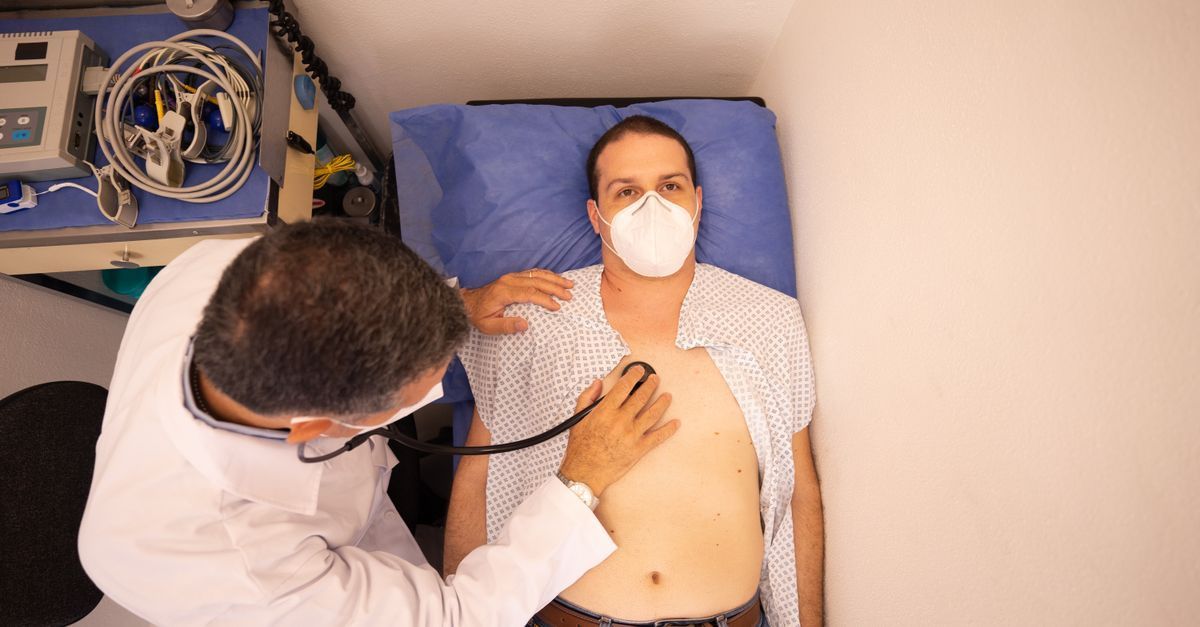
What is a heart check-up?
A heart check-up (심장 검진) looks for signs of heart disease and identifies risk factors you can change. Cardiovascular disease often develops silently over years, driven by high blood pressure, high cholesterol, diabetes, smoking, excess weight and family history. A check-up combines your history with targeted tests so the doctor can estimate your risk and recommend prevention or further investigation.
Who is it for?
- Adults over 40, or younger with risk factors
- People with high blood pressure, high cholesterol, diabetes or who smoke
- Those with a parent or sibling who had a heart attack or sudden cardiac death at a young age
- Anyone starting a vigorous exercise program after years of inactivity
- People with occasional palpitations, breathlessness on exertion or reduced stamina
A check-up is not the right path for active chest pain. Call 119 for chest pain or pressure lasting more than a few minutes, pain spreading to the arm, jaw or back, sudden breathlessness, cold sweat or fainting.
What happens at the clinic
- Consultation: the doctor reviews symptoms, lifestyle, medicines and family history.
- Measurements: blood pressure in both arms, pulse, weight and waist circumference.
- Blood tests: cholesterol profile, blood sugar or HbA1c, kidney function and sometimes thyroid.
- ECG: a resting heart tracing checks rhythm and signs of past damage or strain.
- Additional tests if indicated: echocardiogram for heart structure, treadmill stress test, coronary calcium CT or carotid ultrasound for artery disease.
- Results and plan: the doctor explains your risk and next steps.
After your check-up
For many people, the outcome is a prevention plan: blood pressure and cholesterol targets, stopping smoking, regular aerobic exercise, weight management and diet changes such as less salt and processed food. If a test is abnormal, further evaluation or treatment is arranged. Repeat intervals depend on your risk, often every one to few years.
Risks and limitations
Most check-up tests are non-invasive. Stress tests carry a small risk of triggering rhythm problems, so they are supervised. CT-based tests involve radiation. No check-up can guarantee you will not have a heart event, and normal results do not replace healthy habits or prompt attention to new symptoms.
Choosing a clinic for a heart check-up in Seomyeon
- Look for a cardiology (순환기내과) or internal medicine specialist who tailors tests to your risk.
- Ask which tests are included and why, rather than choosing the largest package.
- Check that echocardiography and stress testing are available on site if needed.
- Ask how results are explained and whether you receive copies in English.
- Confirm referral pathways to a hospital cardiology department if something is found.
Fitting it into a visit
Morning appointments suit fasting blood tests. Seomyeon is one stop from many central Busan neighbourhoods on Lines 1 and 2, making it convenient for check-ups and reviews.
Key facts
- Purpose: detect heart disease early and estimate future risk
- Core tests: blood pressure, ECG, lipid panel, glucose/HbA1c, kidney function
- Optional tests: echocardiogram, treadmill stress test, coronary calcium score, carotid ultrasound
- Visit time: typically 1–3 hours
- Fasting: often 8–12 hours for blood tests
- Results: many same day; lab results within a few days
Frequently asked questions
What tests are included in a heart check-up?
Typically blood pressure, ECG, cholesterol and blood sugar tests, and kidney function. Depending on risk and symptoms, an echocardiogram, treadmill stress test, coronary calcium score or carotid ultrasound may be added.
How often should I have a heart check-up?
It depends on your risk. People with risk factors such as high blood pressure or diabetes are often checked yearly, while low-risk adults may need checks less frequently. Your doctor will suggest an interval.
Do I need to fast before a heart check-up?
Fasting for 8 to 12 hours is often requested for accurate blood sugar and triglyceride results. Water is usually allowed. Take regular medicines unless told otherwise.
Can a heart check-up detect blocked arteries?
A resting ECG often cannot. Tests such as a treadmill stress test, coronary calcium score or coronary CT angiography are better at detecting coronary artery disease and may be recommended based on your risk.
Should I get a check-up if I have chest pain?
Not if the pain is happening now or recently started. Chest pain needs urgent evaluation; call 119 for pain lasting more than a few minutes or with breathlessness, sweating or spreading pain.
Medical disclaimer: Seomyeon.Clinic is an independent information directory. Content is for general education and does not replace a consultation with a licensed physician. Suitability, risks, results and costs vary by person and clinic. In an emergency in Korea, call 119.