
Echocardiogram in Seomyeon, Busan
An echocardiogram (심장초음파) is an ultrasound scan of the heart that shows its chambers, valves, wall movement and pumping strength in real time. In Seomyeon, cardiology clinics typically perform a transthoracic echo: you lie on your left side while a probe with gel is moved over your chest for about 20–40 minutes. It is painless, radiation-free and usually explained the same day.
Independent patient guide · Medically informative, not a substitute for a doctor's advice · Last reviewed:
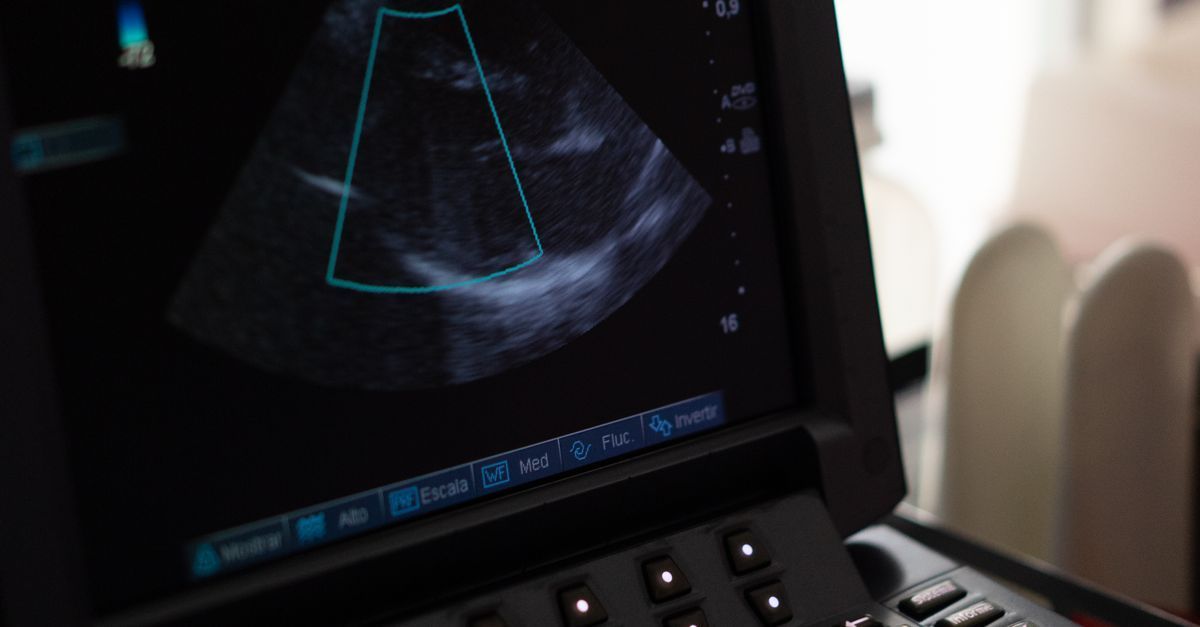
What is an echocardiogram?
An echocardiogram uses high-frequency sound waves to create moving images of the heart. Doppler ultrasound measures the speed and direction of blood flow, revealing leaky or narrowed valves and pressure in the heart and lungs. One key result is the ejection fraction, the percentage of blood the left ventricle pumps out with each beat, which helps diagnose and monitor heart failure.
Who is it for?
- People with breathlessness, ankle swelling or reduced exercise tolerance
- A heart murmur heard on examination
- Abnormal ECG or chest X-ray findings
- Long-standing high blood pressure, to check for thickened heart muscle
- Atrial fibrillation, previous heart attack, or known valve disease needing monitoring
- Fainting during exercise or family history of cardiomyopathy
Sudden severe breathlessness, chest pain or fainting is an emergency: call 119 rather than booking a scan.
What happens at the clinic
- Preparation: you undress to the waist and wear a gown open at the front. ECG electrodes are attached to track timing.
- Positioning: you lie on your left side, which brings the heart closer to the chest wall.
- Scanning: the sonographer or cardiologist applies gel and presses the probe at several points on the chest and below the ribs.
- Breathing instructions: you may be asked to hold your breath briefly for clearer images.
- Interpretation: the cardiologist reviews measurements and explains the findings, with a written report to follow.
After the test
Wipe off the gel and return to normal activity immediately. If results are normal, no further action may be needed. If valve disease, weak pumping or thickened muscle is found, treatment and a repeat scan schedule will be planned.
Risks and limitations
Transthoracic echo is very safe. Some pressure from the probe can be mildly uncomfortable. Image quality can be limited by body shape, lung disease or chest wall factors. Some questions, such as small clots or detailed valve assessment, may need a transesophageal echo, where a probe is passed into the esophagus under sedation, usually at a hospital. An echo at rest does not reliably show coronary artery narrowing.
Choosing a clinic for an echocardiogram in Seomyeon
- Check that a cardiologist performs or directly reviews the scan.
- Ask whether you will receive your ejection fraction and valve findings in writing.
- Ask whether a stress echo or other tests are available if coronary disease is suspected.
- Request images or a report in English if you are monitored by doctors abroad.
- For known valve disease, ask the clinic to compare with previous scans.
Booking
Echocardiograms are usually scheduled rather than walk-in. Clinics around Seomyeon Station can often fit you in within days, convenient from Busan Station on Line 1.
Key facts
- Shows: heart size, pumping function (ejection fraction), valve function, wall thickness, fluid around the heart
- Type: transthoracic echocardiogram (through the chest wall)
- Test time: about 20–40 minutes
- Preparation: usually none; no fasting needed
- Radiation: none
- Results: often explained the same day
- Advanced types: transesophageal or stress echo, usually in hospitals
Frequently asked questions
What does an echocardiogram show?
It shows the heart's chambers, walls, valves and pumping strength, including the ejection fraction. It can detect heart failure, valve disease, thickened heart muscle, congenital defects and fluid around the heart.
How long does an echocardiogram take?
A standard transthoracic echo usually takes about 20 to 40 minutes. Allow extra time for registration and for the doctor to discuss results.
Is an echocardiogram painful?
No. You may feel cool gel and some firm pressure from the probe, especially below the ribs, but the test is painless and uses no radiation.
What is a normal ejection fraction?
A left ventricular ejection fraction of roughly 50 to 70 percent is generally considered normal. Lower values may indicate reduced pumping function, which your cardiologist will interpret alongside symptoms.
Echocardiogram vs ECG: what is the difference?
An ECG records the heart's electrical activity and rhythm. An echocardiogram is an ultrasound showing the heart's structure and pumping. They answer different questions and are often used together.
Medical disclaimer: Seomyeon.Clinic is an independent information directory. Content is for general education and does not replace a consultation with a licensed physician. Suitability, risks, results and costs vary by person and clinic. In an emergency in Korea, call 119.