
ECG (Electrocardiogram) in Seomyeon, Busan
An ECG (electrocardiogram, 심전도) records the heart's electrical activity using small sticky electrodes on the chest, arms and legs. In Seomyeon, most internal medicine and cardiology clinics can perform a resting 12-lead ECG in about 5–10 minutes without appointment. It is painless, uses no radiation, and helps detect rhythm problems, signs of heart strain and evidence of past or current heart attack.
Independent patient guide · Medically informative, not a substitute for a doctor's advice · Last reviewed:
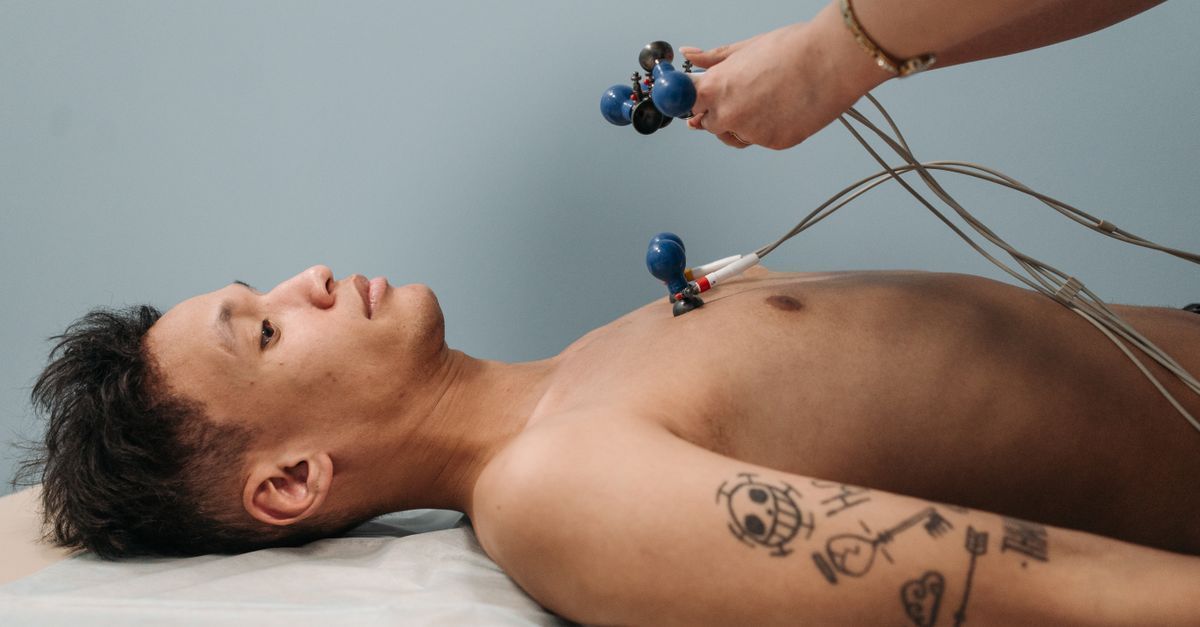
What is an ECG?
Each heartbeat is triggered by an electrical signal. An ECG captures that signal from 12 different angles using 10 electrodes, producing a tracing that cardiologists read for heart rate, rhythm, conduction and the shape of each wave. Changes can point to rhythm disorders such as atrial fibrillation, conduction blocks, thickened heart muscle, reduced blood supply, or a recent or old heart attack.
Who is it for?
- People with palpitations, dizziness, fainting or breathlessness
- Those with high blood pressure, diabetes or high cholesterol, as part of routine assessment
- Patients starting medicines that can affect heart rhythm
- Pre-operative assessment and some employment or visa medicals
- Health check-ups and sports participation screening
If you have chest pain right now, do not wait for a clinic ECG. Call 119; ambulance crews can record an ECG on the way to hospital, and early treatment of a heart attack saves heart muscle.
What happens at the clinic
- Preparation: you remove clothing above the waist and any metal jewellery in the way; a gown may be provided.
- Electrodes: a nurse places sticky pads or suction cups on your chest, wrists and ankles. Small areas of chest hair may be shaved for good contact.
- Recording: you lie still and breathe normally for about 10 seconds while the tracing is recorded.
- Review: the machine gives an automated interpretation, but the doctor reviews the tracing personally.
- Next steps: if abnormal or if symptoms are intermittent, further tests may be suggested.
After the test
There is no recovery time. Pads may leave mild redness that fades quickly. Ask for a printed copy of your ECG; having a baseline is very useful for comparison if you later develop symptoms, including when travelling.
Risks and limitations
An ECG is completely safe. Its main limitation is that it records only a short moment. Intermittent arrhythmias may not appear, and many people with narrowed coronary arteries have a normal resting ECG. That is why Holter monitoring, stress testing or imaging may follow. Minor variations are common in healthy people, particularly athletes, and need expert interpretation.
Choosing a clinic for an ECG in Seomyeon
- Check that a physician, ideally with cardiology experience, reviews the tracing rather than relying only on the automated report.
- Ask whether Holter monitoring or echocardiography is available if the ECG raises questions.
- Request a printed or digital copy for your records.
- If the ECG is for a visa or employer, confirm the clinic can complete the required form.
- For symptoms that come and go, ask about wearable or event monitoring options.
A quick test downtown
Because an ECG takes minutes, it is easy to fit in between errands. Seomyeon's clinics cluster near the Line 1 and 2 transfer station.
Key facts
- Detects: arrhythmias, heart block, signs of heart attack, enlarged heart muscle, electrolyte effects
- Type: resting 12-lead ECG
- Test time: about 5–10 minutes
- Preparation: none; avoid lotion on the chest
- Radiation: none
- Results: usually reviewed by the doctor the same visit
- Limitation: captures only a few seconds of heart activity
Frequently asked questions
How long does an ECG take?
The recording itself takes about 10 seconds, and the whole process, including placing electrodes, usually takes 5 to 10 minutes.
Can an ECG detect a heart attack?
An ECG can show signs of a current heart attack or a previous one. However, early or small heart attacks may not always show, so doctors combine ECG with symptoms and blood tests. For chest pain, call 119.
Can a normal ECG rule out heart disease?
No. A resting ECG can be normal even with narrowed coronary arteries or intermittent rhythm problems. Further tests such as a stress test, Holter monitor or echocardiogram may be needed.
Do I need to prepare for an ECG?
No special preparation is needed. Avoid applying lotion or oil to your chest that day, and wear a top that is easy to remove.
Can smartwatches replace an ECG?
Some smartwatches record a single-lead ECG that can help detect atrial fibrillation, but they cannot replace a full 12-lead ECG. Bring any recordings to your doctor as additional information.
Medical disclaimer: Seomyeon.Clinic is an independent information directory. Content is for general education and does not replace a consultation with a licensed physician. Suitability, risks, results and costs vary by person and clinic. In an emergency in Korea, call 119.