
Holter Monitoring in Seomyeon, Busan
Holter monitoring (홀터 검사) is a continuous ECG recording, usually over 24–48 hours, using a small portable recorder connected to chest electrodes. In Seomyeon, cardiology clinics fit the device in about 15 minutes; you go about normal daily life, keep a symptom diary, and return the device the next day. It detects irregular heartbeats that a short resting ECG may miss.
Independent patient guide · Medically informative, not a substitute for a doctor's advice · Last reviewed:
What is Holter monitoring?
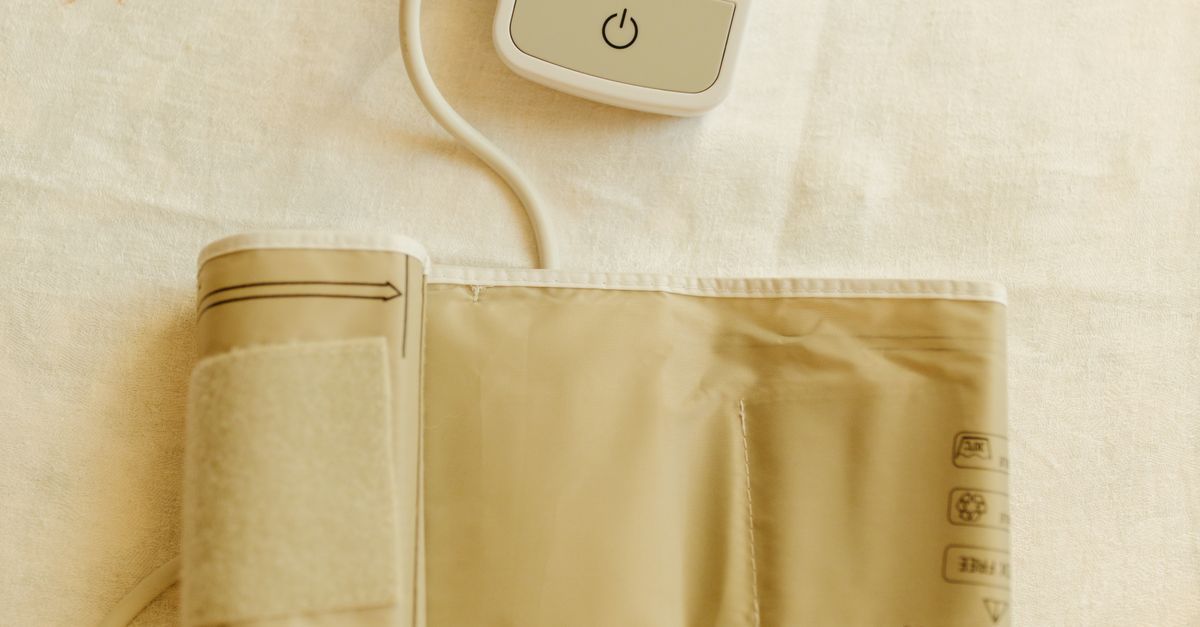
A Holter monitor is a wearable ECG recorder about the size of a small phone or smaller, attached by wires to adhesive electrodes on your chest. It records every heartbeat continuously while you work, walk, sleep and exercise. Software and a cardiologist then analyse the recording for abnormal rhythms and match them to the times you reported symptoms. Newer single-use patch monitors can record for longer periods, which helps catch less frequent episodes.
Who is it for?
- People with palpitations, a fluttering or racing heartbeat, or skipped beats
- Unexplained dizziness, light-headedness or fainting
- Suspected atrial fibrillation, especially after a stroke or transient ischemic attack
- Monitoring heart rate control or the effect of rhythm medicines
- Assessing pacemaker function or arrhythmia risk in certain heart conditions
If you have chest pain, fainting with injury, or a very fast heartbeat with breathlessness or near-collapse, call 119 rather than waiting for monitoring.
What happens at the clinic
- Preparation: shower beforehand, since you may not be able to wash for the recording period. Avoid lotions on the chest.
- Fitting: the skin is cleaned, and several electrodes are attached and connected to the recorder, worn on a belt, strap or directly as a patch.
- Instructions: you receive a symptom diary to note the time, activity and what you felt.
- Daily life: continue normal activities, including the kind of exercise that usually triggers symptoms, if safe.
- Return and analysis: you return the device; the recording is analysed and the cardiologist explains the findings.
Tips while wearing it
Keep the recorder dry and avoid electric blankets and close contact with strong magnets. Sleep normally. If an electrode loosens, press it back or follow the clinic's instructions. Be as detailed as possible in your diary, as matching symptoms to the tracing is the main value of the test.
Risks and limitations
Holter monitoring is safe. Some people get mild skin irritation from the adhesive. The main limitation is that infrequent symptoms may not occur during the recording; if so, longer patch monitoring, event recorders or implantable loop recorders may be considered.
Choosing a clinic for Holter monitoring in Seomyeon
- Ask how long the monitor records and whether longer patch options are available.
- Check whether the device can be worn in the shower or must stay dry.
- Ask who analyses the data and when you will receive results.
- Confirm the return arrangements, especially if you are visiting Busan briefly.
- Ask for a report summarising rhythm findings in English.
Returning the device
Plan your schedule so you can return the recorder the following day. Clinics near the Seomyeon interchange are easy to reach on either Line 1 or Line 2.
Key facts
- Detects: intermittent arrhythmias, pauses, atrial fibrillation, extra beats, heart rate trends
- Duration: typically 24–48 hours; longer patch monitors for days to weeks
- Fitting time: about 15 minutes
- Activities: normal daily routine; avoid showering or bathing with standard devices
- Symptom diary: note time and activity of any symptoms
- Results: usually within several days after analysis
Frequently asked questions
How long do I wear a Holter monitor?
Most standard Holter tests last 24 to 48 hours. Patch-style monitors can record for several days to two weeks, which is useful for symptoms that occur less often.
Can I shower with a Holter monitor?
Standard Holter monitors must stay dry, so showering is usually not allowed during the recording. Some patch monitors are water-resistant. Ask the clinic about your specific device.
Can I exercise while wearing a Holter monitor?
Yes, normal activity, including exercise that usually triggers symptoms, is encouraged if safe. Heavy sweating may loosen electrodes, so avoid extreme workouts unless instructed.
What is the symptom diary for?
Writing down when you feel palpitations, dizziness or other symptoms lets the cardiologist match them to the ECG recording, showing whether symptoms coincide with an abnormal rhythm.
Holter monitor vs ECG: what is the difference?
A resting ECG records about 10 seconds of heart activity. A Holter monitor records continuously for a day or more, making it far more likely to catch intermittent rhythm problems.
Medical disclaimer: Seomyeon.Clinic is an independent information directory. Content is for general education and does not replace a consultation with a licensed physician. Suitability, risks, results and costs vary by person and clinic. In an emergency in Korea, call 119.