
Arrhythmia Treatment in Seomyeon, Busan
Arrhythmia treatment manages heart rhythms that are too fast, too slow or irregular. In Seomyeon, cardiology clinics diagnose arrhythmias with ECG, Holter or patch monitoring and echocardiography, then treat many with lifestyle changes or medicines. Some patients are referred to hospital electrophysiology teams for catheter ablation, pacemakers or implantable defibrillators. Many arrhythmias are harmless, but some need prompt treatment.
Independent patient guide · Medically informative, not a substitute for a doctor's advice · Last reviewed:
What is an arrhythmia?
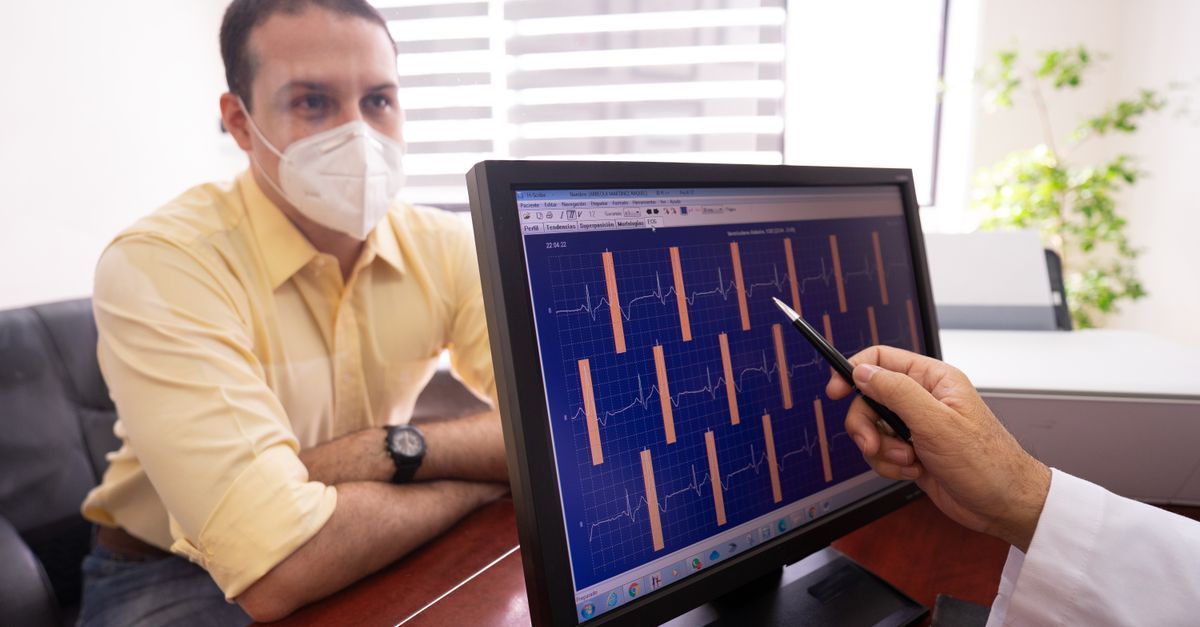
An arrhythmia (부정맥) is any disturbance of the heart's normal rhythm. The heart may beat too fast (tachycardia), too slowly (bradycardia), or irregularly. Common, usually benign examples are premature atrial or ventricular contractions, felt as skipped or extra beats. Others, such as atrial fibrillation, raise stroke risk, and some ventricular arrhythmias can be life-threatening. Treatment depends entirely on the specific rhythm and whether the heart is otherwise healthy.
Symptoms and when to see a doctor
- Palpitations: fluttering, pounding, racing or skipped beats
- Dizziness, light-headedness or reduced exercise tolerance
- Breathlessness or chest discomfort with rapid heartbeat
- A slow pulse with fatigue or near-fainting
Call 119 for fainting, chest pain, severe breathlessness, a very fast heartbeat that will not settle with feeling faint, or sudden collapse. Signs of stroke, such as facial drooping, arm weakness or slurred speech, also need 119 immediately.
What happens at the clinic
- History: when symptoms occur, how long they last, triggers, caffeine, alcohol, energy drinks, supplements and family history of sudden death.
- ECG: captures the rhythm if symptoms are present at the time.
- Monitoring: Holter or patch monitoring for intermittent symptoms.
- Structural check: echocardiogram to assess heart function and valves; blood tests for thyroid, electrolytes and anemia.
- Treatment plan: reassurance and trigger reduction for benign extra beats; medicines for rate or rhythm control; referral for ablation or devices when appropriate.
Treatment outlook
Many people with benign extra beats need only reassurance and fewer triggers. Supraventricular tachycardia can often be stopped with vagal manoeuvres taught by the doctor, and catheter ablation can offer a long-term cure for many rhythm disorders. Slow rhythms causing symptoms may need a pacemaker. Treating underlying issues such as thyroid disease, sleep apnea and high blood pressure improves rhythm control.
Risks and side effects
Antiarrhythmic medicines can occasionally provoke other rhythm problems, so they require monitoring. Beta-blockers may cause fatigue or cold hands. Procedures such as ablation carry small risks of bleeding, vessel injury or heart damage, discussed in detail by the hospital team.
Choosing a clinic for arrhythmia care in Seomyeon
- Choose a cardiologist (순환기내과 전문의) with ECG, Holter and echocardiography available.
- Ask whether long-term patch monitors are offered for infrequent symptoms.
- Ask which hospital electrophysiology team the clinic refers to for ablation or devices.
- Bring any smartwatch ECG recordings for review.
- Ask for a written plan describing what to do during an episode.
Living with arrhythmia in Busan
Cutting back on energy drinks, coffee and late-night alcohol often helps. Regular follow-up is simpler with a clinic near Seomyeon's Line 1 and 2 interchange.
Key facts
- Types: extra beats (PACs, PVCs), atrial fibrillation and flutter, SVT, ventricular arrhythmias, bradycardia and heart block
- Diagnosis: ECG, Holter or patch monitor, echocardiogram, blood tests
- Medicines: beta-blockers, calcium channel blockers, antiarrhythmics, anticoagulants for AF
- Procedures: catheter ablation, pacemaker, ICD (hospital-based)
- Triggers: caffeine, alcohol, stress, poor sleep, thyroid problems, electrolyte imbalance
- Follow-up: depends on rhythm type and treatment
Frequently asked questions
Are heart palpitations dangerous?
Most palpitations are caused by harmless extra beats, stress or caffeine. However, palpitations with fainting, chest pain, breathlessness or a family history of sudden death need prompt evaluation.
How are arrhythmias diagnosed?
With an ECG during symptoms, or continuous monitoring with a Holter or patch monitor for intermittent episodes. An echocardiogram and blood tests check for underlying causes.
Can arrhythmias be cured?
Some can. Catheter ablation can cure many cases of supraventricular tachycardia and atrial flutter, and helps many people with atrial fibrillation. Others are controlled long-term with medicines or devices.
Does caffeine cause arrhythmias?
Moderate coffee is usually fine for most people, but high caffeine intake, energy drinks, alcohol and poor sleep can trigger extra beats or episodes in sensitive individuals.
When is an arrhythmia an emergency?
Call 119 for fainting, chest pain, severe breathlessness, a very rapid heartbeat with feeling faint, or stroke symptoms such as facial drooping, arm weakness or slurred speech.
Medical disclaimer: Seomyeon.Clinic is an independent information directory. Content is for general education and does not replace a consultation with a licensed physician. Suitability, risks, results and costs vary by person and clinic. In an emergency in Korea, call 119.