
Fainting (Syncope) Evaluation in Seomyeon, Busan
A fainting (syncope) evaluation investigates a brief loss of consciousness caused by a temporary drop in blood flow to the brain. In Seomyeon, cardiology clinics typically take a detailed account of the episode, check lying and standing blood pressure, perform an ECG and blood tests, and may add echocardiography, Holter monitoring or tilt testing. Most fainting is harmless, but heart-related causes must be excluded.
Independent patient guide · Medically informative, not a substitute for a doctor's advice · Last reviewed:
What is syncope?
Syncope (실신) is a short loss of consciousness with spontaneous, full recovery, caused by a temporary drop in blood flow to the brain. The most common type is vasovagal fainting, triggered by standing for long periods, heat, pain, the sight of blood, or emotional stress, often preceded by warmth, nausea, sweating or tunnel vision. Orthostatic hypotension, a drop in blood pressure on standing, is common with dehydration, alcohol, some medicines and older age. Cardiac syncope, from arrhythmias or structural heart disease, is less common but more dangerous.
Symptoms and when to see a doctor
Anyone who has fainted for the first time, or has recurrent episodes, should be evaluated. Call 119 or seek emergency care if fainting:
- Happened during exercise or while lying down
- Came with chest pain, palpitations or breathlessness
- Occurred without warning, especially with injury
- Is in someone with known heart disease or a family history of sudden death at a young age
- Is accompanied by weakness, speech difficulty or confusion that does not resolve, which may suggest stroke or seizure
What happens at the clinic
- Detailed history: what you were doing, warning signs, how long you were out, how you recovered, and witness accounts if available.
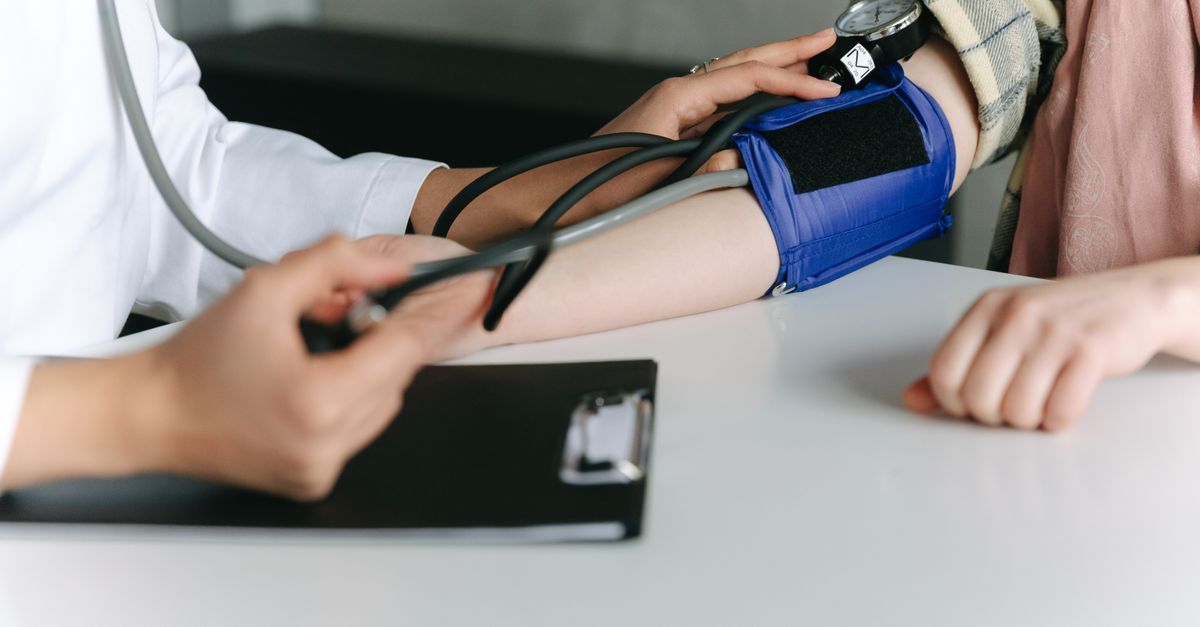
- Examination: heart sounds and blood pressure lying and standing to detect orthostatic drops.
- ECG: looks for rhythm or conduction problems and inherited patterns.
- Blood tests: blood count, electrolytes and sugar.
- Further tests: echocardiogram for structural problems, Holter or longer monitoring for rhythm, and tilt-table testing at hospitals for suspected reflex syncope.
Treatment outlook
Vasovagal syncope is usually managed with education: recognising warning signs, lying down or sitting with legs raised when they appear, staying hydrated, adequate salt if appropriate, and physical counter-pressure manoeuvres such as crossing legs and tensing muscles. Orthostatic causes improve with medicine review and hydration. Cardiac causes are treated specifically, for example with a pacemaker or ablation.
Risks and limitations
Fainting itself can cause injuries. Tests are low-risk; a tilt-table test intentionally provokes symptoms under supervision. Some episodes remain unexplained, and an implantable loop recorder may be considered for recurrent unexplained fainting.
Choosing a clinic for syncope evaluation in Seomyeon
- Choose a cardiology clinic with ECG, echocardiography and Holter monitoring on site.
- Bring any witness description or video of the episode.
- List all medicines, including blood pressure and prostate medicines.
- Ask where tilt-table testing or loop recorders are available in Busan.
- Ask for clear advice on driving and work safety.
In hot weather
Busan summers are humid, and crowded spaces like busy subway platforms can trigger reflex fainting. Drink water and sit down at the first warning signs.
Key facts
- Common causes: vasovagal (reflex) fainting, low blood pressure on standing, dehydration, medicines
- Serious causes: arrhythmias, structural heart disease, heart valve narrowing
- First tests: ECG, lying and standing blood pressure, blood tests
- Further tests: echocardiogram, Holter or patch monitor, tilt-table test
- Red flags: fainting during exertion, while lying down, with chest pain or palpitations
- Driving: discuss with your doctor before driving after unexplained fainting
Frequently asked questions
Is fainting a sign of a heart problem?
Usually not. Most fainting is vasovagal or due to low blood pressure on standing. However, fainting during exercise, while lying down, or with chest pain or palpitations may indicate a heart problem and needs urgent assessment.
What tests are done after fainting?
Typically an ECG, lying and standing blood pressure, and blood tests. An echocardiogram, Holter monitor or tilt-table test may follow depending on the history.
What should I do if I feel faint?
Lie down with legs raised, or sit with your head low. Crossing your legs and tensing muscles can help raise blood pressure. Do not stand up quickly once you recover.
Can I drive after fainting?
It depends on the cause and recurrence risk. Discuss with your doctor before driving after an unexplained faint, as some causes carry a risk of recurrence at the wheel.
When should I call 119 for fainting?
Call 119 if fainting occurs during exertion or lying down, comes with chest pain, palpitations or breathlessness, causes significant injury, or is followed by weakness, speech difficulty or confusion.
Medical disclaimer: Seomyeon.Clinic is an independent information directory. Content is for general education and does not replace a consultation with a licensed physician. Suitability, risks, results and costs vary by person and clinic. In an emergency in Korea, call 119.