
High Blood Pressure Management in Seomyeon, Busan
High blood pressure management is the long-term diagnosis and control of hypertension to protect the heart, brain and kidneys. At an internal medicine clinic in Seomyeon, the first visit usually includes repeated blood pressure readings, blood and urine tests and often an ECG. Treatment combines lifestyle changes with daily medication if needed, reviewed every one to three months until stable.
Independent patient guide · Medically informative, not a substitute for a doctor's advice · Last reviewed:
What is high blood pressure management?
Hypertension means the pressure in your arteries stays too high over time. It rarely causes symptoms, yet it is a major risk factor for stroke, heart attack, heart failure and kidney disease. Management means confirming the diagnosis accurately, looking for causes and organ effects, and bringing the pressure into a target range with lifestyle changes and, often, medication.
Who is it for?
Korean and European guidelines generally diagnose hypertension when repeated clinic readings are at or above 140/90 mmHg, while some guidelines, such as those in the United States, use 130/80. You should see a doctor if:
- Home or pharmacy readings are repeatedly 130/80 or higher
- You were told your pressure was high at a health check-up
- You have diabetes, kidney disease or a family history of early heart disease
- You already take medication but readings are not at target
Very high readings with severe headache, chest pain, shortness of breath, vision changes, weakness or difficulty speaking are an emergency: call 119.
What happens at the clinic
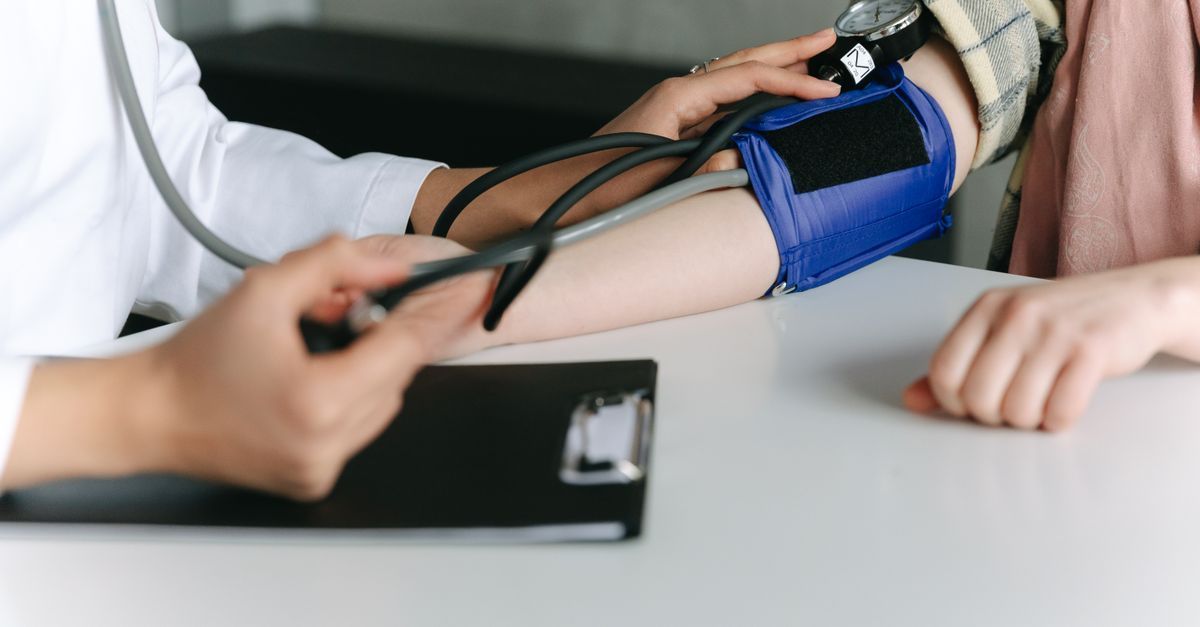
- Accurate measurement: you sit quietly for a few minutes, and readings are taken in both arms and repeated.
- History: the doctor asks about salt intake, alcohol, sleep, snoring, medicines and supplements that can raise pressure.
- Tests: blood tests for kidney function, electrolytes, glucose and cholesterol; urine for protein; and an ECG.
- Confirmation: you may be asked to keep a home blood pressure diary or wear a 24-hour monitor to rule out white-coat hypertension.
- Plan: the doctor sets a target and starts lifestyle advice, with medication if readings are high or your overall risk warrants it.
Treatment outlook
Hypertension is usually a lifelong condition, but it is very controllable. Reducing salt, which is often high in Korean soups and fermented side dishes, losing excess weight, regular aerobic exercise and limiting alcohol can lower readings noticeably. Many people need one or two medicines, frequently combined in a single tablet. Do not stop medication on your own when readings look normal.
Risks and side effects
Each medicine class has typical side effects: ankle swelling with calcium channel blockers, dry cough with ACE inhibitors, more frequent urination or electrolyte changes with diuretics. Blood tests monitor kidney function and potassium. Over-treatment can cause dizziness on standing, so report light-headedness.
Choosing a clinic for hypertension care in Seomyeon
- Choose an internal medicine specialist (내과 전문의) you can see regularly for repeat prescriptions.
- Ask whether the clinic offers 24-hour ambulatory monitoring and ECG on site.
- Bring your home monitor so staff can check it against the clinic device.
- Ask for your medicine names in generic form so you can continue them abroad.
- Check the follow-up interval and whether prescriptions can cover longer trips.
A note for expats
Many foreign residents in Busan pick a clinic near Seomyeon because the Line 1 and Line 2 transfer makes regular check-ins easy from most of the city.
Key facts
- Treats: primary (essential) and secondary hypertension
- Diagnosis: repeated clinic readings, often confirmed with home or 24-hour monitoring
- Initial tests: blood tests, urinalysis, ECG; sometimes echocardiogram
- Common medicines: ARBs, ACE inhibitors, calcium channel blockers, thiazide-type diuretics
- Follow-up: every 1–3 months while adjusting, then every few months
- Typical NHI coverage: diagnosis, tests and standard medicines are covered for enrollees
Frequently asked questions
What blood pressure is considered high in Korea?
Korean guidelines generally define hypertension as repeated readings of 140/90 mmHg or above, with 130–139/80–89 regarded as an elevated, pre-hypertensive range. Your target may be lower if you have diabetes, kidney disease or heart disease.
Will I have to take blood pressure medicine forever?
Often, yes, but not always. Some people with mild hypertension can reduce or stop medication after significant weight loss and lifestyle change, under medical supervision. Never stop on your own, as pressure can rebound.
Is hypertension treatment covered by Korean health insurance?
For National Health Insurance enrollees, consultations, standard tests and common blood pressure medicines are covered, with a co-payment. Uninsured visitors pay the clinic and pharmacy directly.
Can I get my regular blood pressure medicine refilled in Busan?
A doctor needs to see you and review your current medicine before prescribing. Bring the packaging or a prescription listing generic names and doses; Korea may stock the same drug under a different brand.
Home monitor vs clinic reading: which is more accurate?
Both are useful. Clinic readings can be raised by anxiety, so doctors often rely on home averages or a 24-hour monitor to confirm the diagnosis. Use a validated upper-arm cuff and measure at consistent times.
Medical disclaimer: Seomyeon.Clinic is an independent information directory. Content is for general education and does not replace a consultation with a licensed physician. Suitability, risks, results and costs vary by person and clinic. In an emergency in Korea, call 119.