
High Cholesterol Treatment in Seomyeon, Busan
High cholesterol treatment lowers harmful blood fats, mainly LDL cholesterol, to reduce the risk of heart attack and stroke. In Seomyeon, an internal medicine visit typically starts with a lipid blood test, often after an overnight fast, plus a review of your overall heart risk. Treatment combines diet and exercise with medication such as a statin, rechecked after about 6–12 weeks.
Independent patient guide · Medically informative, not a substitute for a doctor's advice · Last reviewed:
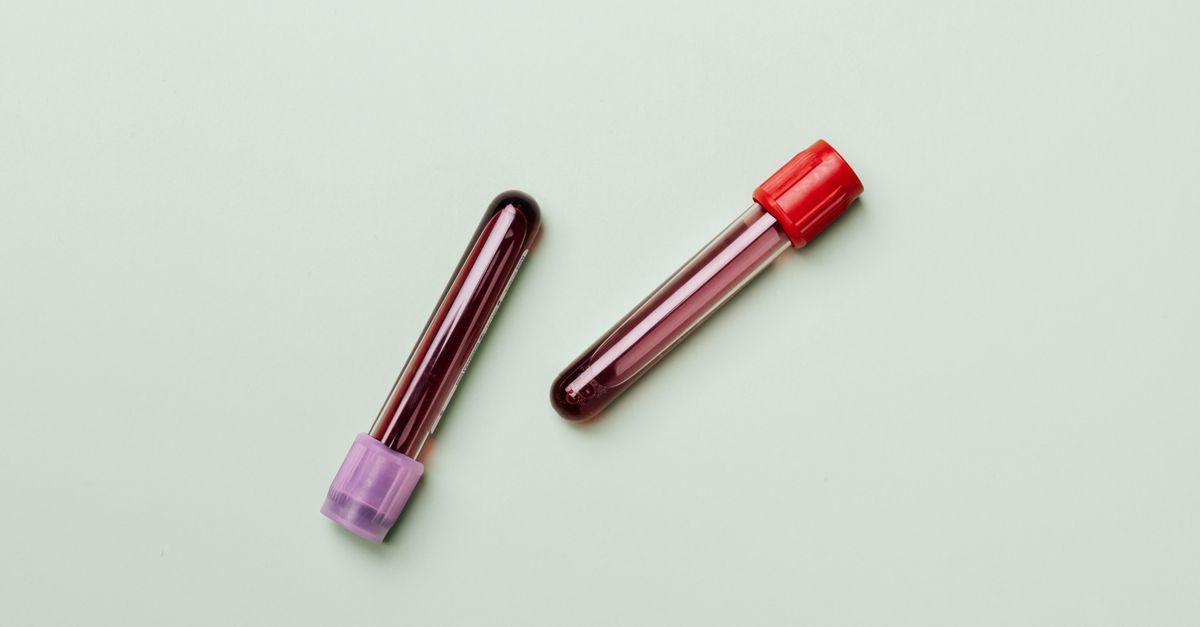
What is high cholesterol treatment?
Cholesterol travels in the blood inside particles called lipoproteins. LDL cholesterol builds up in artery walls and drives atherosclerosis, the narrowing behind most heart attacks and strokes. HDL helps clear cholesterol, and triglycerides are another blood fat linked to diet, alcohol and diabetes. Treatment aims to bring LDL, and sometimes triglycerides, down to a target that depends on your overall cardiovascular risk.
Who is it for?
High cholesterol has no symptoms, so it is usually found on a blood test. Consider a consultation if:
- A health check-up flagged high LDL, total cholesterol or triglycerides
- You have diabetes, high blood pressure, smoke, or are overweight
- A parent or sibling had a heart attack or stroke at a young age
- You have very high LDL, which can suggest inherited familial hypercholesterolemia
- You already had a heart attack, stent or stroke and need strict LDL control
What happens at the clinic
- Risk review: the doctor asks about family history, smoking, diet, alcohol and other conditions, and measures blood pressure and waist size.
- Blood tests: a lipid panel plus, often, glucose, liver, kidney and thyroid tests, since an underactive thyroid can raise cholesterol.
- Setting a target: your LDL goal is set according to your risk level; people with heart disease or diabetes usually need lower targets.
- Treatment decision: lifestyle changes alone may be tried first for lower-risk people; higher-risk patients usually start a statin straight away.
- Follow-up: a repeat blood test after several weeks checks response and liver enzymes.
Treatment outlook
Statins lower LDL substantially within weeks and have strong evidence for preventing heart attacks and strokes. If the target is not reached, ezetimibe is commonly added, and injectable PCSK9 inhibitors are an option for very high-risk or inherited cases. Diet still matters: cutting saturated fat and refined carbohydrates, eating more fibre and fish, limiting alcohol and staying active improve the whole lipid profile.
Risks and side effects
Most people tolerate statins well. Muscle aches are the most common complaint, and serious muscle injury is rare. Statins can slightly raise blood sugar and occasionally liver enzymes, which is why follow-up tests matter. Tell the doctor about all your medicines and supplements, including red yeast rice, which acts like a statin.
Choosing a clinic for cholesterol treatment in Seomyeon
- Ask whether the doctor calculates your overall cardiovascular risk rather than treating the number alone.
- Check if carotid ultrasound or a coronary calcium score is available when risk is uncertain.
- Ask how fasting requirements and result delivery work, so you can plan breakfast and work.
- Request your results in a printed table to compare with past tests from home.
- Confirm the clinic can manage related conditions such as blood pressure and diabetes together.
Bringing past results
If you are new to Busan, bring previous lipid results and medicine names to your first visit. Clinics near the Seomyeon metro interchange can usually draw blood early in the morning, which suits a fasting test before work.
Key facts
- Treats: high LDL cholesterol, high triglycerides, low HDL (dyslipidemia)
- Main test: lipid panel blood test; fasting often requested for triglycerides
- Results: usually same day to a few days
- First-line medicine: statins; ezetimibe or other drugs may be added
- Recheck: about 6–12 weeks after starting or changing medicine
- Symptoms: usually none, so testing is the only way to know
- Typical NHI coverage: testing and standard medicines covered for enrollees when medically indicated
Frequently asked questions
Do I need to fast before a cholesterol test?
Fasting for about 9–12 hours is often requested because food raises triglycerides. Non-fasting tests are increasingly accepted for LDL and total cholesterol. Follow the clinic's instructions and drink only water beforehand.
What LDL level should I aim for?
It depends on your risk. People with established heart disease or diabetes usually have much lower targets than healthy people at low risk. Your doctor sets the goal after reviewing your blood pressure, smoking, age, family history and other conditions.
Are statins safe to take long term?
Statins have been used for decades and are considered safe for most people. Muscle aches are the most common side effect, and blood tests check the liver and sugar levels. Report unexplained muscle pain or dark urine promptly.
Can I lower cholesterol without medicine?
Diet, weight loss and exercise can lower LDL modestly and improve triglycerides and HDL. For people at low risk, this may be enough. Those at higher risk or with inherited high cholesterol usually need medication as well.
Is cholesterol treatment covered by NHI in Korea?
For enrollees, lipid testing and standard medicines are covered when medically indicated, with a co-payment. Coverage rules for newer injectable drugs are more restrictive, so ask the clinic before starting them.
Medical disclaimer: Seomyeon.Clinic is an independent information directory. Content is for general education and does not replace a consultation with a licensed physician. Suitability, risks, results and costs vary by person and clinic. In an emergency in Korea, call 119.