
Coronary Calcium Score in Seomyeon, Busan
A coronary calcium score (관상동맥 칼슘 점수) is a quick, low-dose CT scan without contrast that measures calcified plaque in the heart's arteries. In Seomyeon-area imaging centres and check-up clinics, the scan takes about 10 minutes, with no IV or fasting typically needed. The resulting score helps refine your heart attack risk and guide decisions such as whether to start a statin.
Independent patient guide · Medically informative, not a substitute for a doctor's advice · Last reviewed:
What is a coronary calcium score?
Calcium is deposited in coronary artery plaque as it matures. A calcium score CT counts and weights these deposits to produce an Agatston score. Because calcium indicates the presence of atherosclerosis, the score is a strong predictor of future heart attack risk, independent of cholesterol and blood pressure. It does not show how narrow the arteries are, and it cannot see soft, non-calcified plaque.
Who is it for?
- Adults roughly 40–75 without symptoms whose heart risk is borderline or intermediate
- People unsure whether to start a statin, where the score can tip the decision
- Those with a family history of early heart disease
- People with risk factors such as diabetes or high cholesterol who want better risk estimation
It is not a test for chest pain. Ongoing or new chest pain needs urgent evaluation; call 119 for severe or persistent pain.
What happens at the clinic
- Consultation: the doctor checks that the test is appropriate for you and reviews your risk factors.
- Preparation: usually none; you may be asked to avoid caffeine. Remove metal objects from your chest area.
- ECG leads: attached so images are timed to your heartbeat.
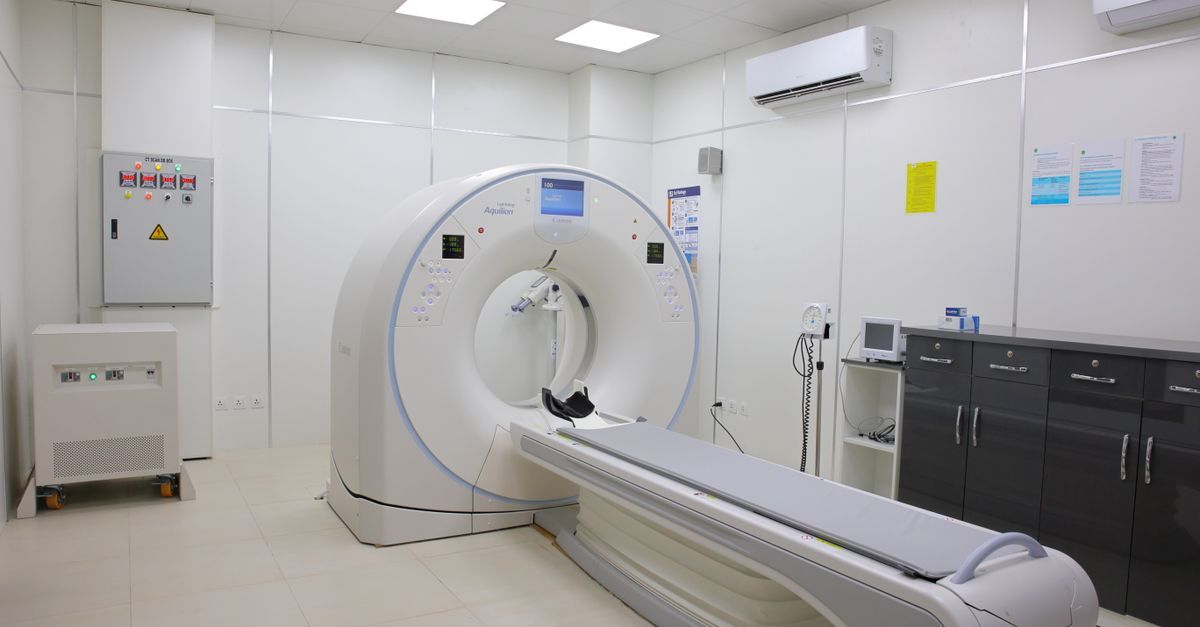
- Scan: you lie on the CT table and hold your breath for several seconds while images are taken.
- Report: the score is calculated and often shown as a percentile for your age and sex.
Understanding your score
A score of 0 means no detectable calcified plaque and is associated with low short-term risk, although it does not exclude soft plaque, particularly in younger smokers. Scores of 1–99 suggest mild plaque; 100–399 moderate; and 400 or more extensive plaque. In general, any score above zero supports stronger prevention, such as statins and blood pressure control, with the intensity guided by the score and your overall risk. Very high scores may prompt further testing if you have symptoms.
Risks and limitations
Radiation exposure is low. Incidental findings in the lungs or elsewhere may appear on the scan and need follow-up, which can cause anxiety. Statins can increase calcium density as plaque stabilises, so repeat scores in treated patients are interpreted carefully. The test is generally not recommended for very low-risk people or for those already known to have heart disease.
Choosing a clinic for calcium scoring in Seomyeon
- Ask whether the score will be explained with your overall risk, not as a standalone number.
- Check the scanner's radiation dose and whether the report includes age-based percentiles.
- Ask how incidental lung findings are handled.
- Confirm that a cardiologist or physician will discuss treatment implications.
- Request the report in English for doctors at home.
Quick to fit in
Because there is no injection or fasting, a calcium score fits easily into a lunch break near Seomyeon Station.
Key facts
- Measures: calcified coronary plaque (Agatston score)
- Contrast: none
- Visit time: about 10–15 minutes
- Radiation: low dose
- Best for: adults without symptoms at intermediate or uncertain risk
- Score 0: low short-term risk in most people
- Higher scores: greater plaque burden and risk; more intensive prevention
Frequently asked questions
What does a calcium score of zero mean?
It means no calcified plaque was detected, which is associated with a low risk of heart attack over the next several years for most people. It does not completely rule out soft plaque, particularly in smokers or people with diabetes.
Is a coronary calcium score test safe?
Yes. It uses a low dose of radiation and no contrast dye or needles. The main downside is incidental findings that may need further tests.
Who should get a calcium score?
It is most useful for adults without symptoms whose heart risk is borderline or intermediate and where the result would change decisions, such as whether to start a statin.
Can a calcium score go down?
Generally no. Calcium deposits usually stay or increase. Statins may even increase calcium density as plaque stabilises, so a rising score on treatment is interpreted carefully by your doctor.
Calcium score vs coronary CT angiography: which do I need?
A calcium score is a screening tool for people without symptoms. Coronary CT angiography uses contrast to assess narrowing and is used when symptoms suggest possible coronary disease.
Medical disclaimer: Seomyeon.Clinic is an independent information directory. Content is for general education and does not replace a consultation with a licensed physician. Suitability, risks, results and costs vary by person and clinic. In an emergency in Korea, call 119.