
Coronary CT Angiography in Seomyeon, Busan
Coronary CT angiography (CCTA, 관상동맥 CT) is a non-invasive scan that uses contrast dye and a fast CT scanner to image the coronary arteries and show plaque or narrowing. Around Seomyeon, it is offered by cardiology-linked imaging centres and hospitals. After an IV line is placed and the heart rate is checked, the scan itself takes only seconds, with the whole visit usually under an hour.
Independent patient guide · Medically informative, not a substitute for a doctor's advice · Last reviewed:
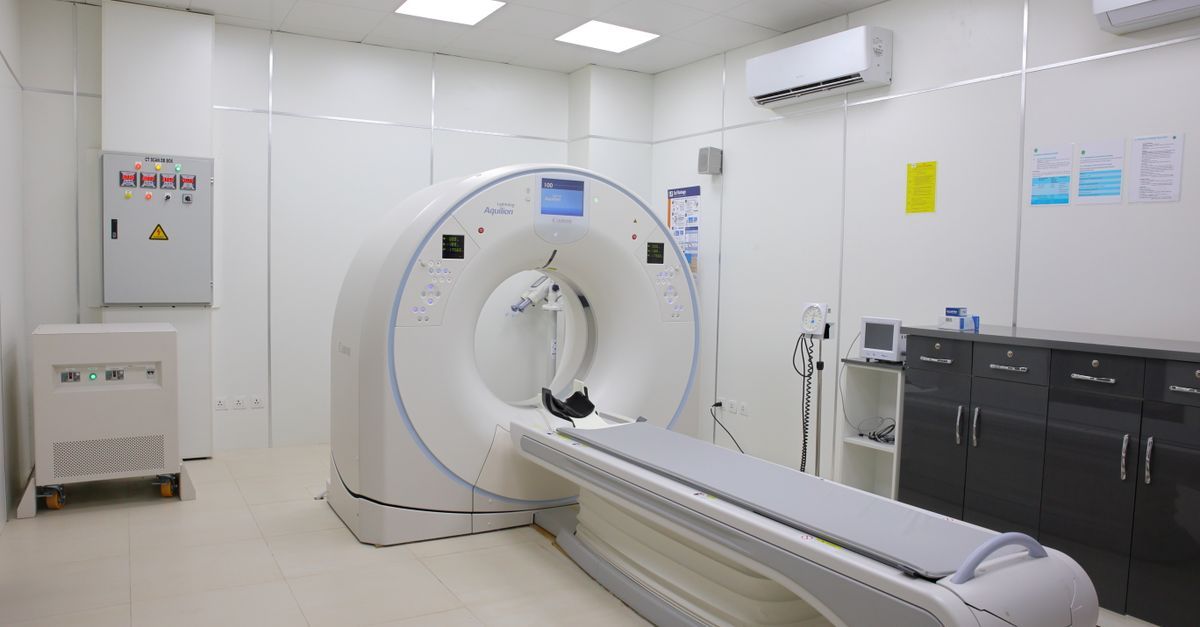
What is coronary CT angiography?
Coronary arteries supply blood to the heart muscle. Plaque builds up inside them over years, and significant narrowing can cause angina or heart attack. CCTA injects contrast dye into a vein while a multi-detector CT scanner captures images timed to the heartbeat, producing detailed 3D pictures of the arteries. It can show both hard calcified plaque and softer non-calcified plaque, and is very good at ruling out significant coronary disease when the result is normal.
Who is it for?
- People with stable chest discomfort or breathlessness on exertion where coronary disease is possible
- Inconclusive or abnormal treadmill stress test results
- Some patients with a high risk profile where the doctor needs clarity
- Assessment of coronary artery anomalies or bypass grafts in selected cases
CCTA is not for acute chest pain happening now. Call 119 for chest pain or pressure lasting more than a few minutes, especially with breathlessness, sweating or pain in the arm, jaw or back.
What happens at the clinic
- Screening: the doctor checks for contrast allergy, kidney function, pregnancy, asthma and diabetes medicines such as metformin.
- Preparation: avoid food for a few hours and caffeine for the day. A medicine such as a beta-blocker may be given to slow the heart rate for clearer images.
- IV line: a cannula is placed in your arm for the contrast injection.
- Scanning: you lie on the CT table, hold your breath for a few seconds while contrast is injected; many people feel a warm flush.
- After the scan: you are observed briefly, the IV is removed, and you are encouraged to drink water.
Understanding results
The report describes any plaque, its type and location, and the degree of narrowing, often graded on a standard scale. No plaque is very reassuring. Mild plaque usually leads to preventive treatment such as statins and lifestyle change. Significant narrowing may require further functional testing or invasive coronary angiography, where stents can be placed if needed.
Risks and side effects
Risks include allergic reaction to contrast, which is usually mild but rarely severe; possible effects on kidney function in people with kidney disease; and radiation exposure. Heart-rate medicines can cause light-headedness. Heavy calcium in the arteries can make images harder to interpret.
Choosing a clinic for coronary CT in Seomyeon
- Ask whether the scan is interpreted by a cardiac imaging specialist or cardiologist.
- Check the scanner type and dose-reduction measures.
- Confirm how contrast allergy and kidney risk are screened.
- Ask how results will be explained and what follow-up is available if narrowing is found.
- Request images on disc or via a portal for doctors abroad.
Planning your scan
Avoid coffee and energy drinks on the day. Imaging centres serving Seomyeon are reachable on Busan Metro Lines 1 and 2; bring someone if you are anxious about the IV or heart-rate medicine.
Key facts
- Shows: coronary plaque, calcified and non-calcified, and degree of narrowing
- Contrast: iodine-based dye through an IV line
- Scan time: seconds; total visit roughly 30–60 minutes
- Preparation: fasting a few hours, avoid caffeine; heart rate medicine may be given
- Kidney check: blood test for kidney function often required
- Radiation: yes, modern scanners use relatively low doses
- Results: usually within a few days
Frequently asked questions
Is coronary CT angiography better than a stress test?
They answer different questions. CCTA shows the arteries and plaque directly, while a stress test shows how the heart responds to exercise. CCTA is particularly good at ruling out significant disease; your doctor chooses based on your situation.
How much radiation is involved?
Modern scanners use relatively low doses, often comparable to or lower than a standard abdominal CT. The doctor weighs the benefit of a clear diagnosis against this small radiation risk.
Can I have CCTA if I am allergic to contrast?
Tell the clinic about any previous reaction. Depending on severity, you may receive pre-medication or an alternative test such as a stress echocardiogram or nuclear scan may be chosen.
Coronary CT angiography vs calcium score: what is the difference?
A calcium score is a quick scan without contrast that measures calcified plaque only. CCTA uses contrast to show both calcified and soft plaque and the degree of narrowing.
What happens if a blockage is found?
Depending on severity and symptoms, treatment may include medicines, further functional testing, or invasive coronary angiography at a hospital, where a stent can be placed if needed.
Medical disclaimer: Seomyeon.Clinic is an independent information directory. Content is for general education and does not replace a consultation with a licensed physician. Suitability, risks, results and costs vary by person and clinic. In an emergency in Korea, call 119.