
Chest Pain Evaluation in Seomyeon, Busan
Chest pain evaluation is the medical assessment of chest discomfort to identify or rule out heart and other serious causes. If chest pain is happening now, especially with breathlessness, sweating or pain spreading to the arm, jaw or back, call 119 immediately. For mild, past or recurring pain, Seomyeon cardiology clinics typically perform an ECG, blood tests and, if needed, stress testing or CT.
Independent patient guide · Medically informative, not a substitute for a doctor's advice · Last reviewed:
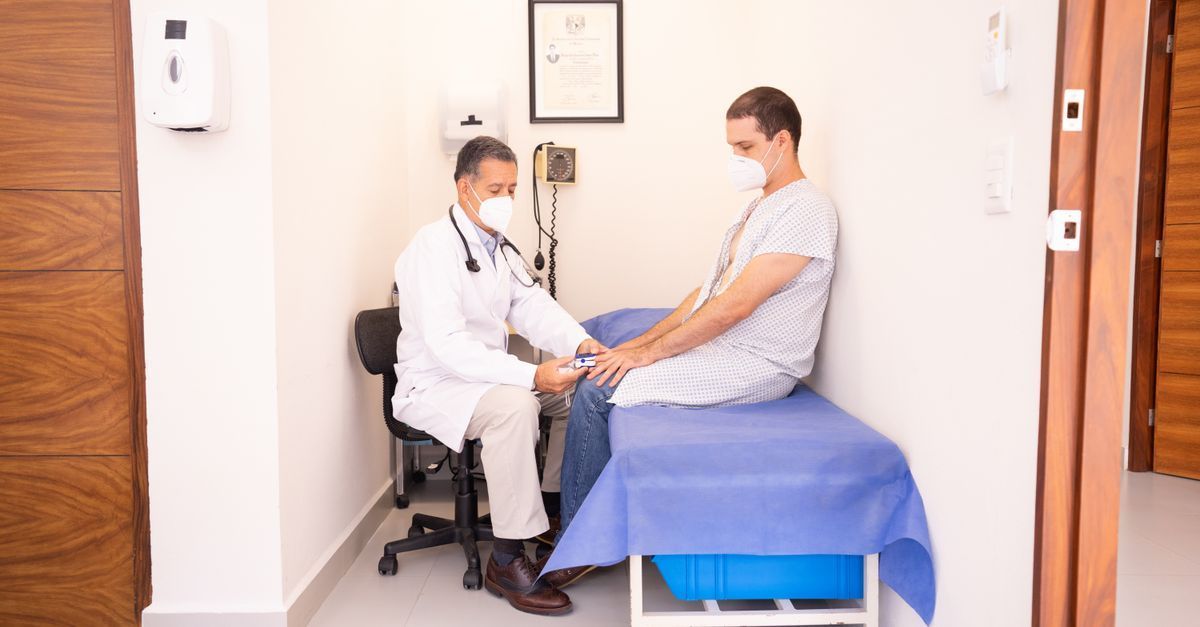
What is chest pain evaluation?
Chest pain has many causes, ranging from minor muscle strain to life-threatening conditions. Because some heart and blood vessel emergencies are time-critical, evaluation follows a simple principle: rule out dangerous causes first. Emergency departments handle acute pain; outpatient cardiology clinics evaluate stable, intermittent or resolved pain and plan further tests.
When to call 119
Call 119 straight away, rather than going to a clinic, if you have:
- Chest pain, pressure, tightness or heaviness lasting more than a few minutes, or coming and going at rest
- Pain spreading to the arm, shoulder, neck, jaw or back
- Breathlessness, cold sweat, nausea, light-headedness or fainting
- Sudden tearing pain into the back
- Chest pain with stroke signs such as facial drooping or arm weakness
Women, older adults and people with diabetes can have subtler symptoms such as unusual fatigue or breathlessness. Do not drive yourself; stay calm and wait for the ambulance.
Symptoms suited to a clinic visit
- Brief chest discomfort in the past that has fully settled, with no current symptoms
- Predictable discomfort on exertion that eases with rest and has been stable for weeks
- Pain that changes with movement or pressing on the chest wall
- Burning pain linked to meals, suggesting reflux, though heart causes still need consideration
What happens at the clinic
- Triage: staff check whether symptoms are current and vital signs are stable; if not, you are directed to emergency care.
- History and examination: character, timing, triggers, risk factors and family history.
- ECG: recorded promptly.
- Blood tests: including cardiac markers in some settings, cholesterol, sugar and blood count; chest X-ray if lung causes are considered.
- Further testing: echocardiogram, treadmill stress test or coronary CT angiography, chosen by your risk.
Treatment outlook
Treatment depends on the cause: medicines and possibly stents for coronary disease, acid suppression for reflux, physiotherapy for musculoskeletal pain, or anxiety management. Even when the heart is cleared, addressing risk factors such as blood pressure, cholesterol and smoking is worthwhile.
Risks and limitations
A normal ECG and blood tests do not exclude all heart disease, which is why follow-up tests may be advised. Stress tests and CT carry small risks. The greatest danger is delaying emergency care for an acute heart attack.
Choosing a clinic for chest pain evaluation in Seomyeon
- Choose a cardiology clinic that performs ECG immediately on arrival.
- Check access to echocardiography, stress testing and coronary CT.
- Ask which hospital the clinic transfers urgent cases to.
- Bring a list of medicines and previous heart test results.
- Ask for a clear plan of what to do if pain returns.
Save the number
In Korea, 119 is the emergency number for ambulance and fire services; interpretation support may be available. Seomyeon's location in central Busan means emergency services can reach the area quickly.
Key facts
- Emergency: call 119 for ongoing chest pain or pressure, especially over a few minutes
- Heart causes: heart attack, angina, pericarditis, aortic dissection
- Other causes: reflux, muscle strain, lung problems, anxiety, shingles
- Clinic tests: ECG, blood tests, chest X-ray, echocardiogram
- Further tests: treadmill stress test, coronary CT angiography
- Do not: drive yourself to hospital with suspected heart attack
Frequently asked questions
When should I call 119 for chest pain?
Call 119 for chest pain or pressure lasting more than a few minutes, recurring at rest, or accompanied by breathlessness, sweating, nausea, fainting, or pain spreading to the arm, jaw, neck or back. Do not drive yourself.
How can I tell if chest pain is from the heart?
You cannot reliably tell on your own. Heart pain is often pressure-like and linked to exertion, but symptoms vary, especially in women, older adults and people with diabetes. Medical evaluation is needed.
Can acid reflux feel like a heart attack?
Yes, reflux can cause burning chest pain that mimics heart pain. Because the two can be hard to distinguish, heart causes should be ruled out first, especially if you have risk factors.
What tests are done for chest pain?
An ECG and blood tests come first. Depending on findings and risk, an echocardiogram, treadmill stress test, coronary CT angiography or, in hospitals, coronary angiography may follow.
Can young people have heart-related chest pain?
It is less common but possible, particularly with smoking, strong family history, very high cholesterol, drug use or inflammation of the heart lining after infection. Persistent or severe pain should always be evaluated.
Medical disclaimer: Seomyeon.Clinic is an independent information directory. Content is for general education and does not replace a consultation with a licensed physician. Suitability, risks, results and costs vary by person and clinic. In an emergency in Korea, call 119.