
24-Hour Blood Pressure Monitoring in Seomyeon, Busan
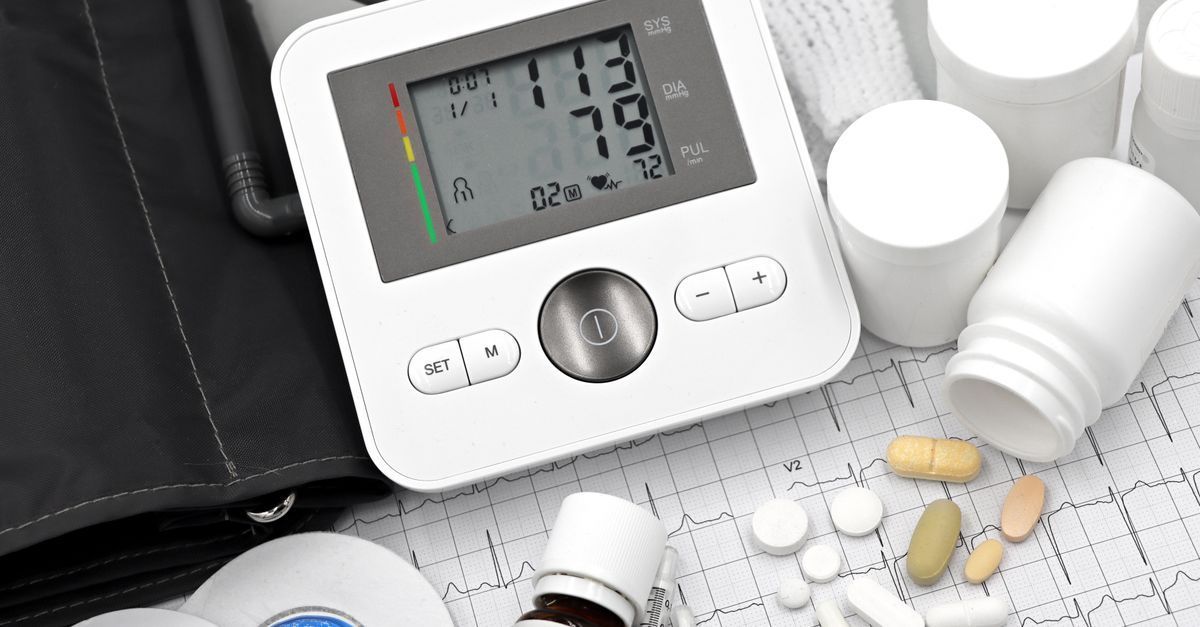
24-hour blood pressure monitoring (ambulatory BP monitoring) uses a portable cuff that automatically measures blood pressure every 15–60 minutes over a full day and night. In Seomyeon, cardiology and internal medicine clinics fit the device in about 15 minutes; you follow your normal routine and return it the next day. It confirms hypertension and reveals white-coat, masked and nighttime high blood pressure.
Independent patient guide · Medically informative, not a substitute for a doctor's advice · Last reviewed:
What is 24-hour blood pressure monitoring?
Single clinic readings can be misleading. Some people have high readings only in the clinic due to anxiety (white-coat hypertension), while others have normal clinic readings but high pressure in daily life (masked hypertension). Ambulatory blood pressure monitoring (ABPM, 사지 혈압 측정) captures many readings across a full day, including during sleep, giving the most accurate picture of your true blood pressure and how it changes.
Who is it for?
- People with high clinic readings but normal home readings, or vice versa
- Confirming a diagnosis of hypertension before starting lifelong medication
- Patients on treatment whose control is uncertain
- Suspected nighttime hypertension, for example with sleep apnea, diabetes or kidney disease
- Episodes of dizziness that might relate to low blood pressure on medication
Very high readings with severe headache, chest pain, breathlessness, confusion, vision loss or weakness need emergency care: call 119.
What happens at the clinic
- Fitting: a cuff is placed on your non-dominant upper arm and connected to a small recorder worn on a belt.
- Test reading: staff check the device works and explain how it inflates.
- Instructions: keep your arm still and relaxed at heart level when the cuff inflates; note activities, sleep and wake times, and symptoms in a diary.
- Daily life: continue your usual routine, including work, but avoid heavy exercise and showering.
- Return and report: you return the device; software calculates averages and patterns, and the doctor explains results.
Understanding results
Doctors look at the 24-hour, daytime and nighttime averages. Blood pressure normally falls by around 10–20% during sleep, called dipping; non-dipping or rising nighttime pressure is linked to higher cardiovascular risk. Ambulatory thresholds for hypertension are lower than clinic thresholds, so the doctor uses specific cut-offs to interpret your readings.
Risks and limitations
The test is safe. The cuff can be uncomfortable and may disturb sleep, and repeated inflation can leave mild skin marks or bruising. Movement during readings can cause errors, which the software flags. One day may not represent every day, so home monitoring complements ABPM.
Choosing a clinic for 24-hour BP monitoring in Seomyeon
- Ask whether the device is validated and the cuff sized correctly for your arm.
- Confirm how often readings are taken and whether a diary is provided.
- Ask how quickly the report is reviewed and explained.
- Check the return arrangements if you are staying in Busan briefly.
- Request a printed graph of your readings.
Choosing your day
Wear the monitor on a typical working day rather than a rest day. Clinics around Seomyeon, at the Line 1 and Line 2 interchange, make the next-day return easy.
Key facts
- Measures: daytime, nighttime and 24-hour average blood pressure
- Readings: typically every 15–30 minutes by day, 30–60 minutes at night
- Fitting time: about 15 minutes
- Duration: 24 hours, returned the next day
- Detects: white-coat hypertension, masked hypertension, nighttime non-dipping
- Activities: normal routine; keep the arm still during readings; avoid showering
Frequently asked questions
Why do I need 24-hour blood pressure monitoring?
It gives a more accurate picture than clinic readings, detecting white-coat hypertension, masked hypertension and nighttime high blood pressure, which helps your doctor decide whether you need treatment.
Can I sleep with the blood pressure monitor?
Yes, nighttime readings are an important part of the test. The cuff inflates less often at night. It may disturb sleep slightly, but try to sleep normally.
Can I go to work with the monitor?
Yes. Following your normal routine gives the most representative results. Keep your arm still and relaxed during each reading and avoid strenuous exercise.
What is white-coat hypertension?
It is high blood pressure measured in a clinic but normal readings in everyday life. 24-hour monitoring or home readings help confirm it, so people are not over-treated.
What is a normal 24-hour blood pressure?
Ambulatory thresholds are lower than clinic thresholds. Average values around 130/80 mmHg or above over 24 hours are commonly used to diagnose hypertension, with lower cut-offs at night. Your doctor will interpret your results.
Medical disclaimer: Seomyeon.Clinic is an independent information directory. Content is for general education and does not replace a consultation with a licensed physician. Suitability, risks, results and costs vary by person and clinic. In an emergency in Korea, call 119.