
Capsule Endoscopy in Seomyeon, Busan
Capsule endoscopy uses a pill-sized wireless camera, swallowed with water, to photograph the small intestine, which standard gastroscopy and colonoscopy cannot fully reach. It is mainly used to find hidden bleeding or small-bowel Crohn's disease. Patients wear a recorder for about 8–12 hours while going about light activities, and the capsule passes naturally. It is offered at selected clinics and hospitals in and around Busan.
Independent patient guide · Medically informative, not a substitute for a doctor's advice · Last reviewed:
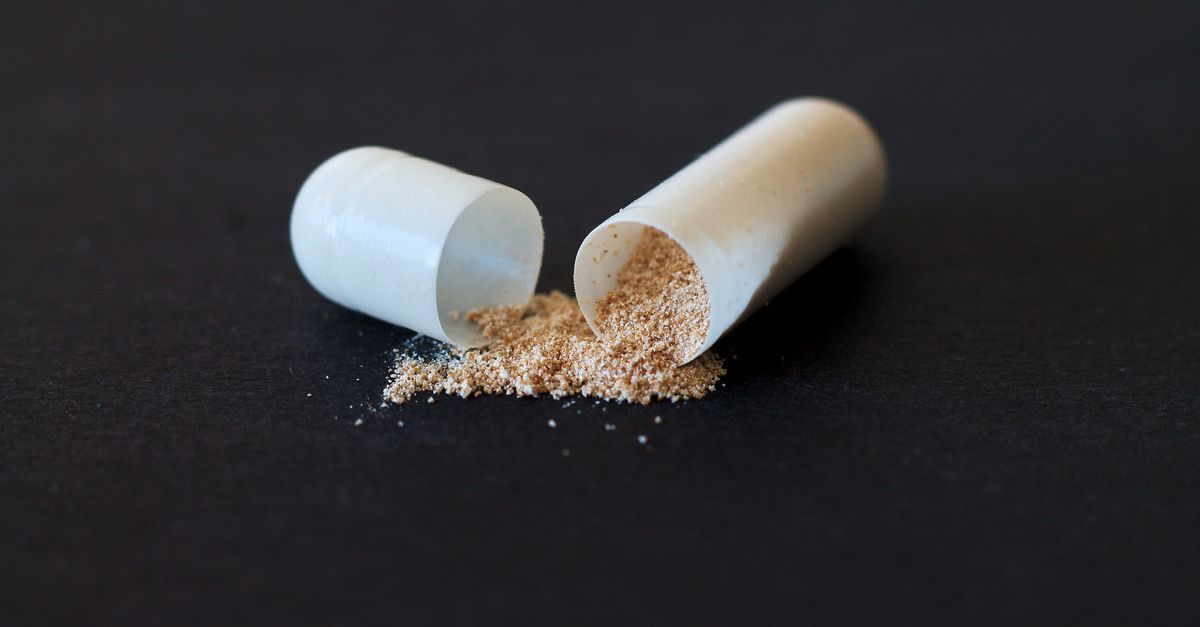
What is capsule endoscopy?
The small intestine is several metres long and lies between the reach of gastroscopy and colonoscopy. A capsule endoscope is a vitamin-sized device containing a camera, light and battery. After you swallow it, it travels through the digestive tract by natural movement, taking many images per second and sending them to a recorder worn on your body. A gastroenterologist then reviews the images, which takes considerable time, so results are not immediate.
Who is it for?
- Bleeding or iron-deficiency anemia when gastroscopy and colonoscopy are normal
- Suspected or known Crohn's disease affecting the small bowel
- Suspected small-bowel tumours or polyps, including in inherited polyp syndromes
- Unexplained small-bowel symptoms after other tests
It is not suitable if you have a known or suspected bowel narrowing or obstruction, some swallowing disorders, or in pregnancy. If narrowing is possible, a dissolvable test capsule (patency capsule) or imaging may be used first. Ongoing heavy bleeding needs emergency hospital care instead.
What happens at the clinic
- Assessment: the doctor reviews previous endoscopy results, symptoms, medicines such as iron, and any risk of narrowing.
- Preparation: a clear-liquid diet and fasting the night before, often with a bowel-cleansing solution for clearer images. Iron tablets are usually paused beforehand.
- Starting the test: sensors or a belt and recorder are fitted, and you swallow the capsule with water.
- Recording day: you can usually drink clear fluids after a couple of hours and eat a light meal later, avoiding strenuous activity and strong electromagnetic sources such as MRI machines.
- Return and review: you return the recorder; the doctor reviews the images and explains results, usually within several days.
Recovery and aftercare
There is no recovery period. The capsule is passed naturally, usually within a day or two, and is flushed away. If you are unsure it has passed and develop abdominal pain, bloating or vomiting, contact the clinic. Do not have an MRI until the capsule is confirmed to have passed.
Risks and side effects
The main risk is capsule retention, where the capsule gets stuck at a narrowing, which is uncommon in properly selected patients but may require endoscopic or surgical removal. Incomplete examinations can happen if the battery runs out before the capsule reaches the colon. The capsule cannot take biopsies, so findings may need follow-up enteroscopy.
Choosing a clinic for capsule endoscopy in Seomyeon
- Confirm the clinic or hospital performs capsule endoscopy, as it is not available everywhere.
- Ask whether patency testing is offered if you have Crohn's or prior surgery.
- Ask who reviews the images and how long reporting takes.
- Check referral options for balloon-assisted enteroscopy if treatment or biopsy is needed.
- Bring previous gastroscopy and colonoscopy reports.
On the test day
You can move around during recording, so many people walk or rest near Seomyeon rather than staying at the clinic. Ask staff whether you may leave the building and when to return.
Key facts
- Examines: mainly the small intestine
- Main uses: obscure gastrointestinal bleeding, iron-deficiency anemia, suspected Crohn's disease, small-bowel tumours
- Preparation: fasting and often a bowel-cleansing solution
- Recording time: about 8–12 hours
- Sedation: not needed
- Capsule: single-use, passes naturally in stool
- Limitation: cannot take biopsies or remove lesions
Frequently asked questions
What does capsule endoscopy show?
It mainly shows the lining of the small intestine, detecting bleeding sources, ulcers, inflammation such as Crohn's disease, and polyps or tumours. It is used when gastroscopy and colonoscopy have not found the cause.
Is capsule endoscopy painful?
No. You simply swallow a capsule about the size of a large vitamin. Most people feel nothing as it passes. No sedation is required.
Does the capsule come out?
Yes, it passes naturally in your stool, usually within a day or two, and is disposable. Contact the clinic if you develop pain, bloating or vomiting, which could suggest retention.
Can capsule endoscopy replace colonoscopy?
Generally no. Colonoscopy remains the standard for the colon because it allows biopsies and polyp removal. Capsule endoscopy is mainly for the small intestine.
What are the risks of capsule endoscopy?
The main risk is the capsule getting stuck at a narrowed part of the bowel. Careful patient selection and patency testing reduce this risk. Otherwise it is very safe.
Medical disclaimer: Seomyeon.Clinic is an independent information directory. Content is for general education and does not replace a consultation with a licensed physician. Suitability, risks, results and costs vary by person and clinic. In an emergency in Korea, call 119.