
Thyroid Ultrasound in Seomyeon, Busan
A thyroid ultrasound (갑상선 초음파) is a painless neck scan that shows the size and texture of the thyroid gland and any nodules. In Seomyeon, endocrinology and internal medicine clinics perform it in about 10–20 minutes without preparation, usually explaining results immediately. Nodules are classified by their ultrasound features, typically using the Korean K-TIRADS system, to decide whether biopsy or simple monitoring is appropriate.
Independent patient guide · Medically informative, not a substitute for a doctor's advice · Last reviewed:
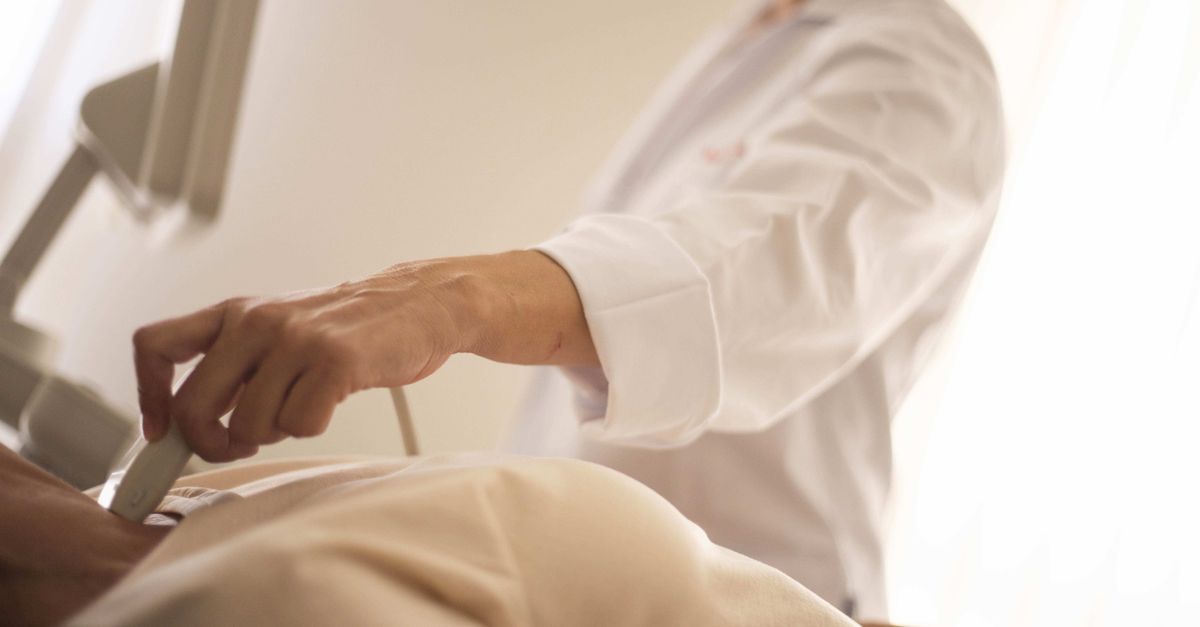
What is a thyroid ultrasound?
The thyroid is a butterfly-shaped gland at the front of the neck that controls metabolism. Ultrasound uses sound waves to image it in detail. Thyroid nodules are very common, and most are benign. Ultrasound features, such as whether a nodule is solid or cystic, its echogenicity, margins, shape and the presence of microcalcifications, help estimate cancer risk. Korea developed its own classification, K-TIRADS, which many Korean clinics use to recommend biopsy or follow-up.
Who is it for?
- People with a lump or swelling in the neck
- Those with abnormal thyroid function tests, such as hypothyroidism or hyperthyroidism
- Follow-up of known nodules
- People with a history of neck radiation in childhood or a strong family history of thyroid cancer
- Incidental nodules found on CT, MRI or carotid ultrasound
Routine thyroid ultrasound for people without symptoms or risk factors is debated, because it detects many small, slow-growing cancers that may never cause harm. Discuss the pros and cons with your doctor. Rapidly growing neck swelling with difficulty breathing or swallowing needs urgent care.
What happens at the clinic
- Positioning: you lie on your back with a pillow under your shoulders to extend the neck.
- Scanning: gel is applied, and the probe is moved across the front and sides of your neck.
- Assessment: the doctor measures the gland and any nodules, assesses features, and checks lymph nodes.
- Classification: each nodule is categorised by risk, with size thresholds guiding biopsy recommendations.
- Plan: results are explained and, if needed, a fine-needle aspiration biopsy or follow-up scan is scheduled.
After the scan
There is no recovery time. Low-risk nodules usually need follow-up ultrasound at intervals that lengthen if they remain stable. Suspicious nodules above certain sizes are biopsied. The ultrasound also shows patterns typical of Hashimoto's thyroiditis or Graves' disease, interpreted alongside blood tests.
Risks and limitations
Ultrasound is safe and painless. Its accuracy depends on operator expertise. It cannot always distinguish benign from malignant nodules, which is why biopsy is used. Over-investigation of tiny nodules can lead to unnecessary anxiety and procedures.
Choosing a clinic for thyroid ultrasound in Seomyeon
- Choose an endocrinologist or physician experienced in thyroid ultrasound.
- Ask whether the report includes nodule size, location and K-TIRADS category.
- Check whether fine-needle biopsy can be done on site if needed.
- Ask for images so future scans can be compared accurately.
- Ask whether thyroid blood tests will be done at the same visit.
An easy add-on
No fasting is needed, so a thyroid scan fits into a lunch break. Seomyeon is a short ride on Line 1 from Busan Station.
Key facts
- Shows: thyroid size, texture, nodules, cysts, nearby lymph nodes
- Test time: about 10–20 minutes
- Preparation: none
- Radiation: none
- Nodule classification: K-TIRADS categories based on ultrasound features
- Next steps: monitoring, or fine-needle aspiration biopsy for suspicious nodules
- Often paired with: thyroid function blood tests
Frequently asked questions
Are thyroid nodules common?
Yes, very common, especially in women and with increasing age. Most are benign. Ultrasound features help decide which nodules need a biopsy.
What is K-TIRADS?
K-TIRADS is the Korean Thyroid Imaging Reporting and Data System, which classifies nodules by ultrasound features into risk categories to guide decisions about biopsy and follow-up.
Do I need to prepare for a thyroid ultrasound?
No preparation is needed. You can eat and drink normally. Wear a top that leaves your neck easily accessible.
When is a thyroid nodule biopsied?
Biopsy is generally recommended when a nodule has suspicious features and exceeds a size threshold for its risk category. Very small or clearly benign-looking nodules are usually monitored instead.
Should healthy people have thyroid ultrasound screening?
Routine screening without symptoms or risk factors is debated because it can find many small, slow-growing cancers that may not need treatment. Discuss your personal risk with your doctor.
Medical disclaimer: Seomyeon.Clinic is an independent information directory. Content is for general education and does not replace a consultation with a licensed physician. Suitability, risks, results and costs vary by person and clinic. In an emergency in Korea, call 119.