
Thyroid Cancer Screening in Seomyeon, Busan
Thyroid cancer screening usually means a thyroid ultrasound in a person without symptoms to look for nodules that might be cancer. In Seomyeon, it is commonly offered as a 10–20 minute add-on to health check-ups. Because most thyroid cancers found this way are small and slow-growing, routine screening for average-risk adults is debated; it is most useful for people with specific risk factors.
Independent patient guide · Medically informative, not a substitute for a doctor's advice · Last reviewed:
What is thyroid cancer screening?
Thyroid ultrasound can detect very small nodules, and some of these turn out to be papillary thyroid cancer, the most common type, which usually grows slowly and has an excellent outlook. In Korea, widespread use of thyroid ultrasound in check-ups led to a large increase in detected thyroid cancers without a matching change in deaths, prompting debate about overdiagnosis. Korean screening guidance has concluded that the evidence is not sufficient to recommend routine thyroid ultrasound for adults without symptoms, and supports an informed, individual choice.
Who is it for?
- People with radiation exposure to the head or neck in childhood
- Those with a strong family history of thyroid cancer, or genetic syndromes linked to thyroid tumours
- Anyone who notices a neck lump, hoarseness, swallowing difficulty or enlarged neck glands, who needs diagnostic evaluation rather than screening
- Average-risk adults who, after understanding the pros and cons, choose to include it in a check-up
What happens at the clinic
- Discussion: the doctor reviews risk factors and explains the benefits and limitations of screening.
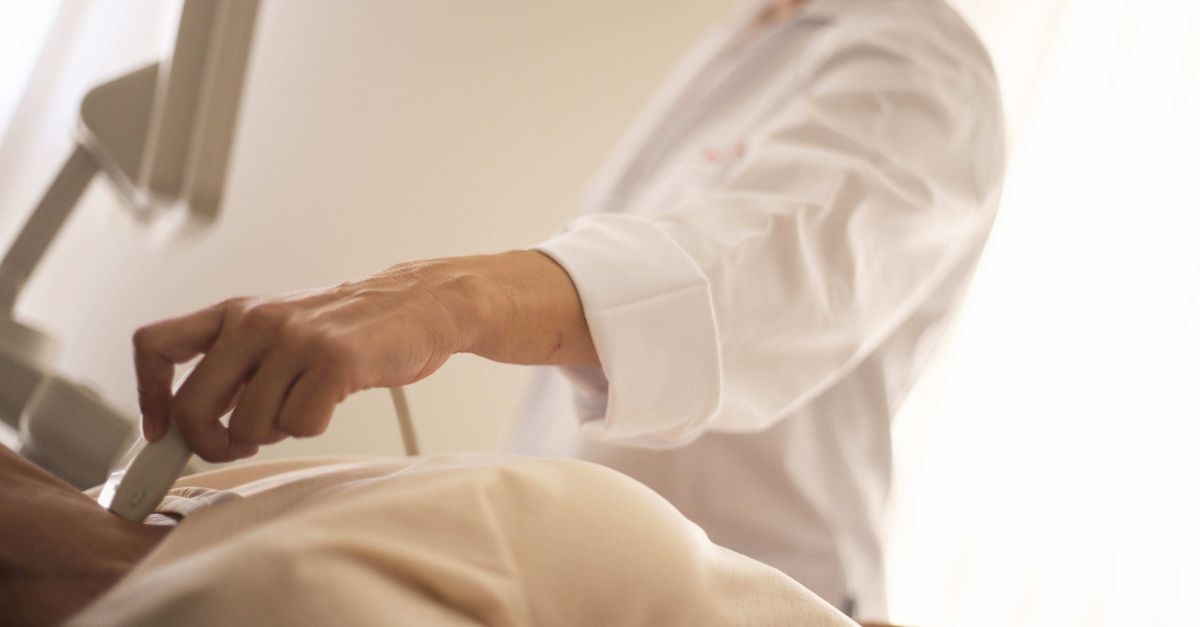
- Ultrasound: you lie with your neck extended while the thyroid and nearby lymph nodes are scanned.
- Nodule classification: any nodules are described and categorised by ultrasound features, commonly using K-TIRADS.
- Decision on biopsy: fine-needle aspiration is recommended only for nodules that meet size and risk thresholds.
- Plan: reassurance, a follow-up ultrasound schedule, or biopsy.
If cancer is found
For small, low-risk papillary cancers, options may include active surveillance with regular ultrasound, or surgery to remove part or all of the thyroid. Larger or higher-risk cancers usually need surgery, sometimes with radioactive iodine. Discussing options with an experienced endocrinologist and surgeon is important, as treatment can bring side effects such as voice changes or lifelong thyroid hormone replacement.
Risks and limitations
Ultrasound is safe, but screening can lead to biopsies and surgery for cancers that might never have caused harm, a key concern with thyroid screening. It may also cause anxiety over benign nodules. Conversely, normal screening does not guarantee no future cancer.
Choosing thyroid screening in Seomyeon
- Ask the doctor to explain overdiagnosis and whether screening suits your risk profile.
- Choose a physician experienced in thyroid ultrasound and K-TIRADS reporting.
- Ask about biopsy criteria so tiny, low-risk nodules are not over-investigated.
- If cancer is found, ask about active surveillance as well as surgery.
- Keep images for comparison with future scans.
Informed choice
Thyroid ultrasound is quick to add to a check-up in Seomyeon, but decide on it deliberately rather than by default.
Key facts
- Test: neck ultrasound of the thyroid and lymph nodes
- Time: about 10–20 minutes, no preparation
- Higher-risk groups: childhood neck radiation, strong family history, certain genetic syndromes
- Common finding: benign nodules
- Next steps: biopsy only for nodules meeting risk and size criteria
- Debate: overdiagnosis of small, low-risk cancers in average-risk people
Frequently asked questions
Should I get thyroid cancer screening?
Routine screening is not generally recommended for average-risk adults without symptoms because it often finds small cancers that may never cause harm. It may be worthwhile with risk factors such as childhood neck radiation or strong family history.
What is overdiagnosis in thyroid cancer?
It means detecting cancers that would never have caused symptoms or death during a person's lifetime. Treating them can cause side effects without health benefit.
Are most thyroid nodules cancer?
No. The vast majority of thyroid nodules are benign. Ultrasound features help decide which few need a biopsy.
What is active surveillance for thyroid cancer?
For selected small, low-risk papillary cancers, regular ultrasound monitoring instead of immediate surgery is an accepted option. Surgery is recommended if the cancer grows or spreads.
What symptoms should prompt a thyroid check?
A neck lump, persistent hoarseness, difficulty swallowing or breathing, or enlarged neck lymph nodes should be evaluated promptly with ultrasound and possibly biopsy.
Medical disclaimer: Seomyeon.Clinic is an independent information directory. Content is for general education and does not replace a consultation with a licensed physician. Suitability, risks, results and costs vary by person and clinic. In an emergency in Korea, call 119.