
Cervical Cancer Screening in Seomyeon, Busan
Cervical cancer screening uses a Pap smear and/or HPV test to detect precancerous changes in the cervix before cancer develops. In Seomyeon, women's clinics and screening centres collect a sample during a brief speculum exam that takes about five minutes. Results usually arrive within one to two weeks. Abnormal results lead to repeat testing or colposcopy, and early changes are highly treatable.
Independent patient guide · Medically informative, not a substitute for a doctor's advice · Last reviewed:
What is cervical cancer screening?
Almost all cervical cancers are caused by persistent infection with high-risk types of human papillomavirus (HPV). Infection usually clears on its own, but when it persists it can cause precancerous changes that develop slowly over years. Screening finds these changes early so they can be treated before cancer forms. The Pap smear looks for abnormal cells; the HPV test detects high-risk virus types. Both are collected the same way.
Who is it for?
- Women and people with a cervix, commonly from their 20s
- Vaccinated women too, as vaccines do not cover all high-risk HPV types
- Women who have not been screened recently, including expats overdue for screening
- Those with previous abnormal results needing follow-up
Bleeding after sex, bleeding between periods or after menopause, or unusual discharge should be checked promptly by a gynecologist rather than waiting for routine screening.
What happens at the clinic
- Booking: schedule outside your period; avoid sex, douching and vaginal creams for a day or two beforehand.
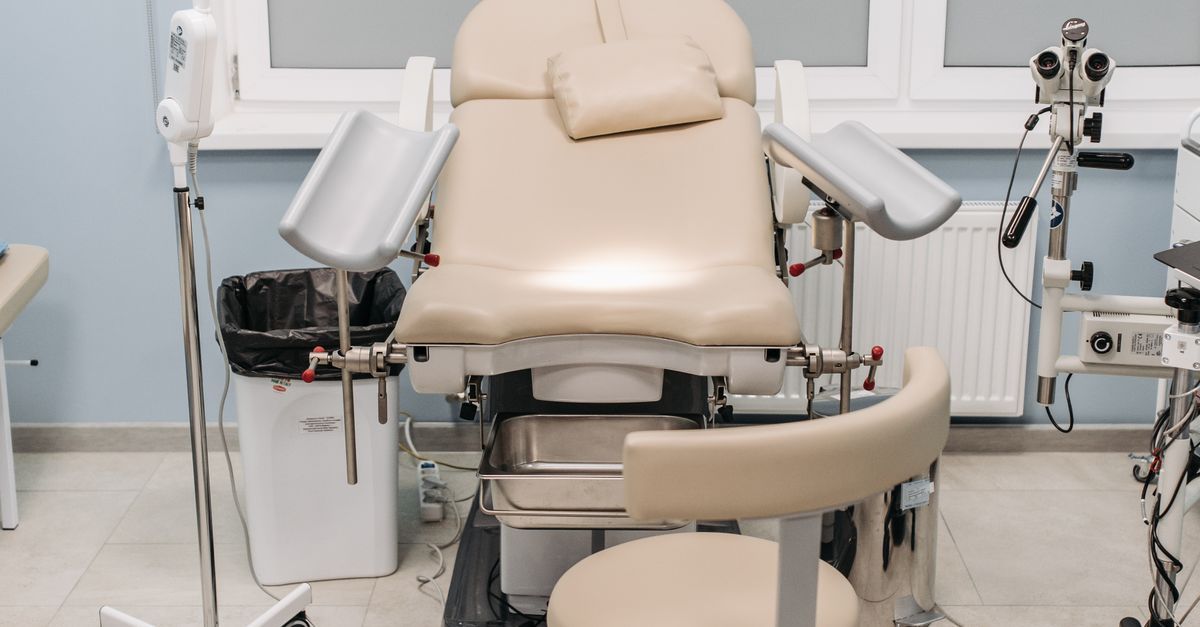
- Preparation: you undress from the waist down and lie on the examination chair; a female clinician can often be requested.
- Speculum exam: a speculum gently opens the vagina so the cervix can be seen.
- Sample collection: a small brush collects cells from the cervix in a few seconds.
- Results: the sample is sent to a laboratory; results and next steps are explained.
Understanding results
Normal results mean returning at the routine interval. Minor changes, such as ASC-US or low-grade lesions, often clear on their own and are usually followed with repeat testing, sometimes guided by HPV status. Higher-grade changes or persistent high-risk HPV lead to colposcopy, a magnified examination of the cervix with possible biopsy. Precancerous lesions can be removed with minor procedures such as LEEP, preserving fertility in most cases.
Risks and limitations
Screening is safe; mild discomfort or light spotting may occur. False negatives and false positives are possible, which is why regular screening matters. Abnormal results can be worrying, but most do not mean cancer.
Choosing a clinic for cervical screening in Seomyeon
- Ask whether HPV testing is offered alongside the Pap smear.
- Request a female doctor if preferred.
- Ask how abnormal results are communicated and whether colposcopy is available on site.
- Ask about HPV vaccination if you are eligible and unvaccinated.
- Keep a record of results for future screenings abroad.
Simple to schedule
The exam itself takes minutes. Women's clinics clustered around Seomyeon, at the Line 1 and Line 2 interchange, often offer weekday and Saturday morning appointments.
Key facts
- Tests: Pap smear (cytology), HPV test, or both (co-testing)
- Start: commonly from the 20s
- Interval: often every 2–3 years with normal Pap results; longer with negative HPV co-testing
- Procedure time: about 5 minutes
- Preparation: avoid scheduling during your period; no intercourse or vaginal products for 1–2 days
- Results: usually 1–2 weeks
- Prevention: HPV vaccination plus screening
Frequently asked questions
How often should I have a Pap smear?
Commonly every two to three years with normal results, or less often when combined with a negative HPV test. Your doctor will advise based on age, history and results.
Does a Pap smear hurt?
Most women feel mild pressure or brief discomfort when the speculum is inserted and the sample is taken. It usually takes only a few minutes. Relaxing and telling the clinician if you are uncomfortable helps.
Do I still need screening if I had the HPV vaccine?
Yes. HPV vaccines protect against the most common high-risk types but not all of them, so regular screening is still recommended.
What does an abnormal Pap result mean?
Most abnormal results show minor changes, often caused by HPV, that frequently clear on their own. Follow-up testing or colposcopy determines whether treatment is needed. It rarely means cancer.
What is a colposcopy?
It is a magnified examination of the cervix using a special microscope, with possible small biopsies. It is done when screening shows significant changes or persistent high-risk HPV.
Medical disclaimer: Seomyeon.Clinic is an independent information directory. Content is for general education and does not replace a consultation with a licensed physician. Suitability, risks, results and costs vary by person and clinic. In an emergency in Korea, call 119.