
Medical Compression Stockings in Seomyeon, Busan
Medical compression stockings (의료용 압박스타킹) are graduated elastic garments that apply the most pressure at the ankle and less higher up, helping veins return blood to the heart and reducing swelling, aching and clot risk. In Seomyeon, Busan, a vein clinic can measure your legs, recommend the right compression level and length, and check arterial circulation first. A fitting typically takes 15–30 minutes.
Independent patient guide · Medically informative, not a substitute for a doctor's advice · Last reviewed:
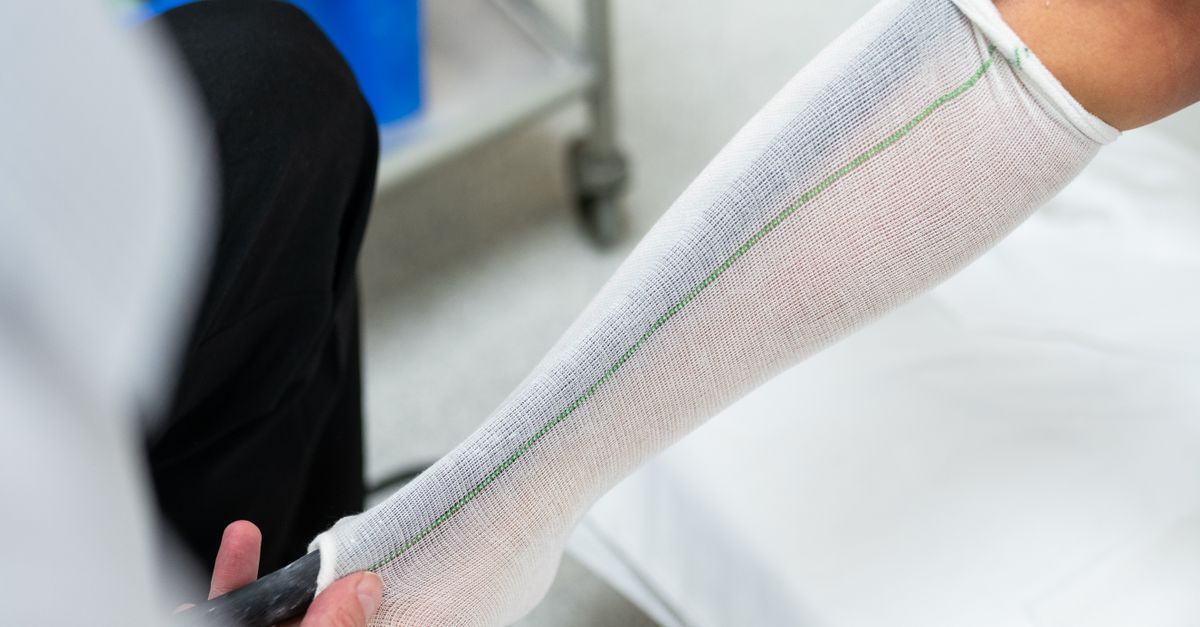
What are medical compression stockings?
Unlike fashion tights, medical stockings provide graduated compression: strongest at the ankle and decreasing up the leg. This supports weakened vein valves, reduces swelling and improves the calf muscle pump. They come in different strengths, often described by class or pressure range in mmHg. Low pressures are used for mild symptoms and travel, while higher classes treat significant venous insufficiency or lymphedema under medical guidance.
Who is it for?
- People with varicose veins, leg heaviness or ankle swelling
- After endovenous ablation or sclerotherapy, as advised
- People with chronic venous insufficiency or healed venous ulcers
- Some people with post-thrombotic syndrome after a DVT
- Long-haul travellers or pregnant women with symptoms, after medical advice
Compression can be harmful with significant peripheral artery disease, severe peripheral neuropathy, fragile skin or uncontrolled heart failure. A doctor should confirm suitability, especially for higher pressures.
What happens at the clinic
- Assessment: reason for compression, symptoms and arterial check (pulses or ankle-brachial index).
- Measurement: leg circumferences at set points and leg length, ideally in the morning when swelling is lowest.
- Selection: compression class, length and style that fits your needs and ability to put them on.
- Fitting practice: you learn techniques and tools such as donning gloves or aids.
- Follow-up: check for skin problems, comfort and effectiveness.
How to wear and care for them
Put stockings on in the morning before swelling builds, and take them off at night unless instructed otherwise. Smooth out wrinkles, avoid rolling the top band, and do not fold the top down. Wash gently by hand or as directed and air dry. Replace stockings when they lose elasticity, commonly every few months with daily use.
Risks and side effects
- Skin irritation, dryness or itching
- Pressure marks or skin damage if poorly fitted
- Constriction from rolled or bunched fabric
- Worsening ischaemia in people with arterial disease
Choosing a clinic for compression stockings in Seomyeon
- Choose a vein clinic that measures your legs rather than guessing sizes.
- Ask whether your arterial circulation has been checked.
- Ask which compression class you need and why.
- Ask for help with donning techniques or aids.
- Ask when to return for re-measurement.
Climate tip
Busan's humid summers make stockings harder to wear; lighter fabrics, open-toe styles or knee-highs may help. Seomyeon's vein clinics are easy to reach for refitting.
Key facts
- Used for: varicose veins, chronic venous insufficiency, after vein procedures, post-thrombotic syndrome, lymphedema, some travel and pregnancy situations
- Types: knee-high, thigh-high, pantyhose; open or closed toe
- Pressure: measured in mmHg and grouped into classes
- Fitting: ankle, calf and thigh measurements, ideally in the morning
- Check first: arterial circulation (pulses or ankle-brachial index)
- Replacement: commonly every few months as elasticity fades
- Typical cost type: often paid privately
Frequently asked questions
What compression level do I need?
It depends on your condition. Mild symptoms and travel often need lower pressure, while venous insufficiency or lymphedema may require higher classes. A doctor should recommend the level after examining you.
Should I wear compression stockings at night?
Usually not. Most stockings are worn during the day and removed at night when legs are elevated. Some post-procedure or specialised protocols differ, so follow your doctor's instructions.
Who should not wear compression stockings?
People with significant peripheral artery disease, severe neuropathy, fragile or infected skin, or uncontrolled heart failure may be harmed by compression. Get medical advice first, especially for higher pressures.
Do compression stockings help on long flights?
Below-knee stockings can reduce swelling and may lower clot risk for people at increased risk during long flights. Ask your doctor whether you need them and at what pressure.
How often should compression stockings be replaced?
With daily use, stockings often lose effective compression after a few months. Replace them when they become loose or easy to put on, and have legs re-measured if your size changes.
Medical disclaimer: Seomyeon.Clinic is an independent information directory. Content is for general education and does not replace a consultation with a licensed physician. Suitability, risks, results and costs vary by person and clinic. In an emergency in Korea, call 119.