
Deep Vein Thrombosis Evaluation in Seomyeon, Busan
Deep vein thrombosis (DVT) evaluation (심부정맥 혈전증 검사) is urgent assessment of a suspected blood clot in a deep vein, usually in the leg, using clinical scoring, a D-dimer blood test and duplex ultrasound. In Seomyeon, Busan, a vascular clinic can often scan the same day. If DVT is confirmed, treatment with anticoagulant medication typically starts immediately and continues for at least about 3 months.
Independent patient guide · Medically informative, not a substitute for a doctor's advice · Last reviewed:
What is deep vein thrombosis?
DVT is a blood clot that forms in a deep vein, usually in the leg or pelvis. The main danger is that part of the clot breaks off and travels to the lungs, causing a pulmonary embolism (PE), which can be life-threatening. DVT can also damage vein valves, leading to long-term swelling and skin changes (post-thrombotic syndrome). Prompt diagnosis and treatment reduce these risks.
Symptoms and when to see a doctor
- Swelling in one leg, often the calf
- Pain or tenderness, sometimes like a cramp that does not go away
- Warmth, redness or bluish discoloration
- Visible surface veins
Call 119 immediately for sudden shortness of breath, chest pain worse on breathing, coughing blood, fainting or a racing heart, which can signal pulmonary embolism. Some DVTs cause few symptoms, so risk factors matter.
What happens at the clinic
- Risk assessment: symptoms, recent travel, surgery, injury, hormones, pregnancy, cancer and previous clots; a clinical probability score is calculated.
- D-dimer test: a blood test that, if normal in low-risk patients, makes DVT unlikely.
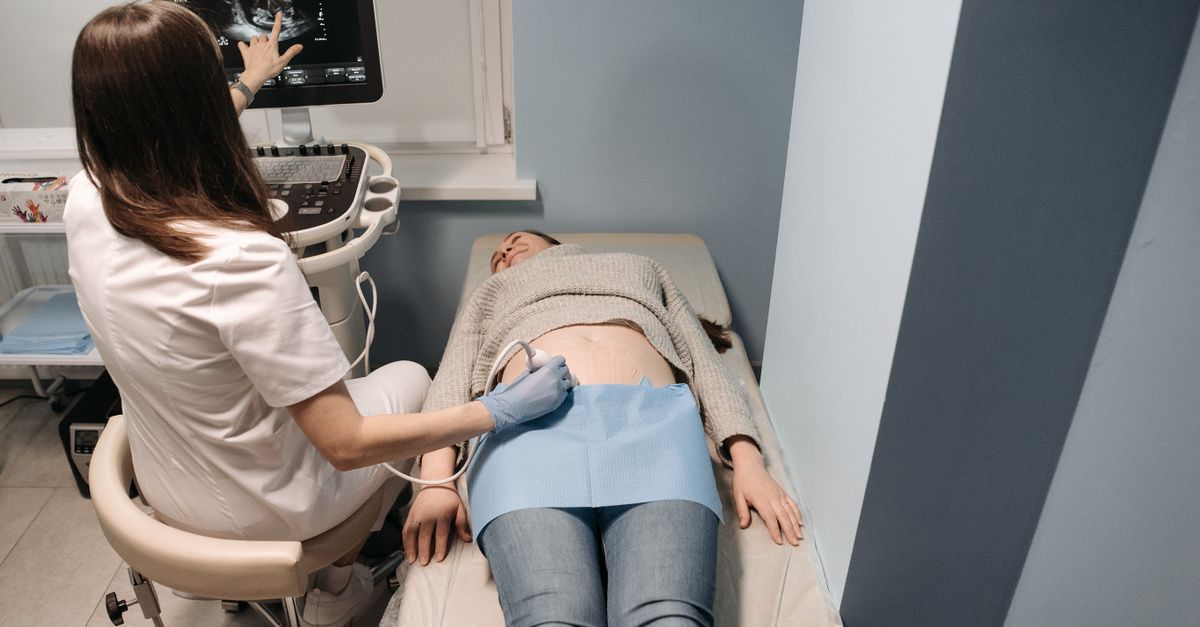
- Duplex ultrasound: the examiner compresses the deep veins; a vein that does not compress suggests a clot.
- Additional tests: kidney function and blood counts before anticoagulation; searching for causes when unprovoked.
- Treatment start: anticoagulants, and guidance on activity and follow-up.
Treatment outlook
Most DVTs are treated at home with oral anticoagulants. Walking is generally encouraged. Duration depends on cause: clots provoked by temporary factors such as surgery may need around 3 months, while unprovoked or recurrent clots may need longer. Compression may help symptoms. Follow-up checks response and bleeding risk.
Risks and considerations
- Anticoagulants increase bleeding risk; report black stools, blood in urine or severe headache
- Interactions with other medicines and supplements
- Pregnancy requires specific anticoagulants
- Post-thrombotic syndrome can develop months later
Choosing a clinic for DVT evaluation in Seomyeon
- Choose a clinic that offers same-day duplex ultrasound.
- Ask whether D-dimer testing is available on site.
- Confirm who will manage anticoagulation and follow-up.
- Ask about referral to a hospital if pulmonary embolism is suspected.
- For travellers, ask for a written summary to share with doctors at home.
Travel and DVT
Long flights to Busan raise clot risk slightly, especially with other risk factors. Walk in the aisle, flex your calves and stay hydrated. Seomyeon's clinics are directly reachable from Gimhae Airport via the light rail and Line 2.
Key facts
- Condition: blood clot in a deep vein, most often calf or thigh
- Symptoms: one-sided leg swelling, pain, warmth, redness or discoloration
- Tests: clinical probability score, D-dimer, compression duplex ultrasound
- Treatment: anticoagulants (e.g., DOACs, heparin); usually at least about 3 months
- Risk factors: long travel, surgery, immobility, pregnancy, hormones, cancer, prior clots
- Emergency: chest pain or breathlessness may mean pulmonary embolism; call 119
- Typical NHI coverage: diagnosis and treatment generally covered for enrollees
Frequently asked questions
What does a DVT feel like?
Often a persistent ache, cramp or tenderness in one calf or thigh, with swelling, warmth or redness. Some DVTs cause few symptoms. Any unexplained one-sided leg swelling should be checked promptly.
How is DVT diagnosed?
Doctors combine a clinical risk score with a D-dimer blood test and compression duplex ultrasound. Ultrasound is the main imaging test for leg DVT and is quick and painless.
How long do I need blood thinners for DVT?
Usually at least about three months. Clots with a temporary trigger may need only this period, while unprovoked or recurrent clots often require longer treatment. Your doctor will review this.
Can I fly after a DVT?
Many people can fly once on stable anticoagulation and cleared by their doctor. Timing depends on the clot and your overall health, so discuss travel plans before booking.
When is DVT an emergency?
Shortness of breath, chest pain, coughing blood, fainting or a fast heartbeat may indicate pulmonary embolism. Call 119 or go to an emergency department immediately.
Medical disclaimer: Seomyeon.Clinic is an independent information directory. Content is for general education and does not replace a consultation with a licensed physician. Suitability, risks, results and costs vary by person and clinic. In an emergency in Korea, call 119.