
Leg Vein Ultrasound in Seomyeon, Busan
A leg vein ultrasound (하지정맥 초음파), or venous duplex scan, uses sound waves and Doppler to show the structure of leg veins and the direction of blood flow. In Seomyeon, Busan, it typically takes about 20–45 minutes, often partly standing, to detect valve reflux behind varicose veins or blood clots (DVT). It is painless, uses no radiation and needs no special preparation.
Independent patient guide · Medically informative, not a substitute for a doctor's advice · Last reviewed:
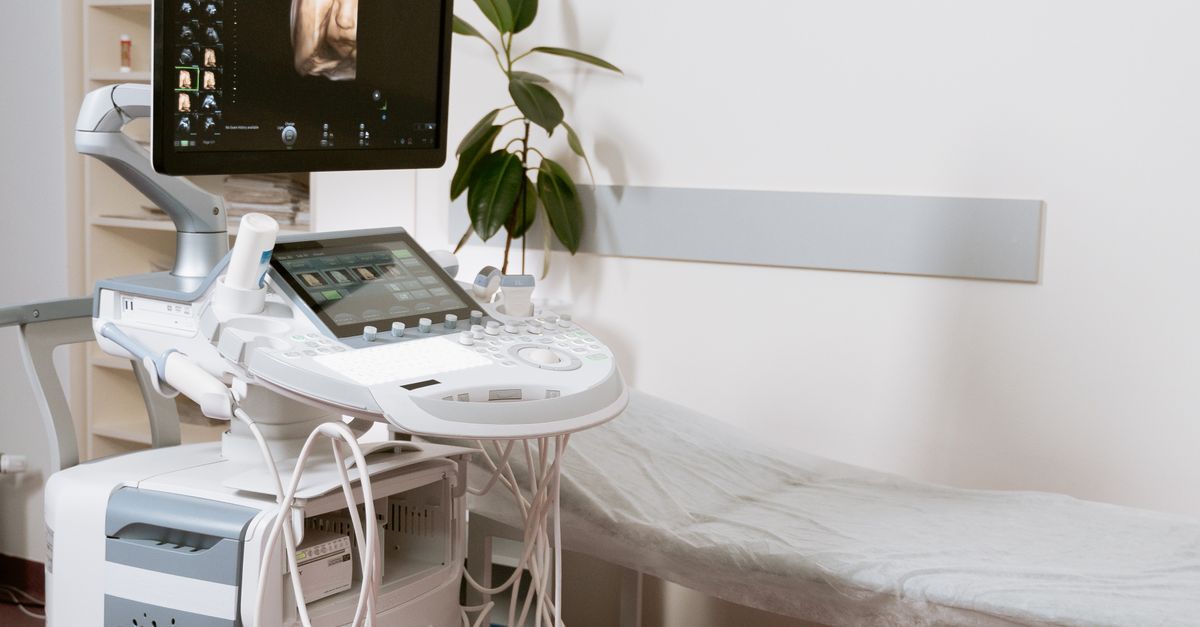
What is a leg vein ultrasound?
A venous duplex ultrasound combines two techniques: standard ultrasound to visualise veins and Doppler to measure blood flow direction and speed. It is the key test before any varicose vein treatment, because it shows which veins have faulty valves (reflux), where they connect to deep veins, and how large they are. It is also the standard first test for suspected deep vein thrombosis.
Who is it for?
- People with varicose veins, leg heaviness, aching or swelling
- Those planning laser, radiofrequency, glue or sclerotherapy treatment
- People with a suddenly swollen, painful or red leg (possible DVT)
- Patients after vein procedures, to confirm closure and check for clots
- People with skin changes or ulcers near the ankle
A painful, swollen leg with shortness of breath or chest pain is an emergency: call 119.
What happens at the clinic
- Preparation: you change into shorts or a gown; gel is applied to the skin.
- Standing or tilted scan: veins are examined while upright because reflux is best seen when veins fill under gravity.
- Provocation: the examiner squeezes the calf or asks you to strain (Valsalva) to test valve function.
- Lying scan: deep veins are compressed gently with the probe to check for clots.
- Mapping: results may be drawn as a vein map for treatment planning.
- Explanation: the doctor reviews findings and next steps.
Understanding results
Reports describe which veins are competent and which show reflux beyond a time threshold, along with vein diameters. A "normal" scan with symptoms may point to other causes such as lymphedema, heart or kidney issues, or musculoskeletal problems. Findings of DVT require prompt treatment with anticoagulation.
Limitations
- Accuracy depends on operator skill and time spent
- Pelvic veins are less easily assessed and may need other imaging
- Very obese legs or severe swelling can reduce image quality
Choosing a clinic for leg vein ultrasound in Seomyeon
- Ask whether the scan includes standing reflux testing, not only lying views.
- Ask who performs and interprets the scan: a vascular surgeon, radiologist or trained sonographer.
- Ask for a written report or vein map you can keep.
- Be cautious if surgery is recommended without clear reflux findings.
- For suspected DVT, seek same-day assessment.
Quick appointment
The scan fits into a short visit. Seomyeon's vein clinics are close to the Line 1 and Line 2 interchange.
Key facts
- Checks: venous reflux, vein size and anatomy, deep vein thrombosis, superficial thrombophlebitis, post-treatment closure
- Technology: duplex ultrasound (B-mode imaging + Doppler flow)
- Exam time: about 20–45 minutes
- Position: standing or reverse-tilt for reflux; lying for clots
- Preparation: none; wear loose clothing
- Radiation: none
- Typical NHI coverage: diagnostic ultrasound may be covered when medically indicated; ask the clinic
Frequently asked questions
Is leg vein ultrasound painful?
No. It is a painless test using gel and a handheld probe. Gentle pressure or calf squeezes are used to test valves and check for clots, which may feel mildly uncomfortable.
Why is the scan done standing?
Reflux in leg veins is best detected when veins fill under gravity. Standing or tilted positions reveal faulty valves that might be missed when lying flat.
Can ultrasound detect blood clots in the leg?
Yes. Duplex ultrasound is the standard first test for deep vein thrombosis. The examiner checks whether veins compress normally and whether flow is present.
Do I need to prepare for a leg vein ultrasound?
No special preparation is needed. Wear loose clothing or shorts and avoid applying lotion to your legs on the day. You can eat and drink normally.
How long does a venous duplex scan take?
Typically about 20–45 minutes for both legs, depending on how detailed the mapping needs to be. Treatment planning scans may take longer.
Medical disclaimer: Seomyeon.Clinic is an independent information directory. Content is for general education and does not replace a consultation with a licensed physician. Suitability, risks, results and costs vary by person and clinic. In an emergency in Korea, call 119.