
Posture Correction in Seomyeon, Busan
Posture correction is an exercise-based rehabilitation program that addresses habitual postures, such as rounded shoulders, forward head or swayback, linked with neck, shoulder and back discomfort. In Seomyeon, rehabilitation clinics usually assess posture with observation, photos or X-rays, then provide strengthening, stretching and habit training over about 6–12 weeks. Comfort and endurance often improve more than appearance.
Independent patient guide · Medically informative, not a substitute for a doctor's advice · Last reviewed:
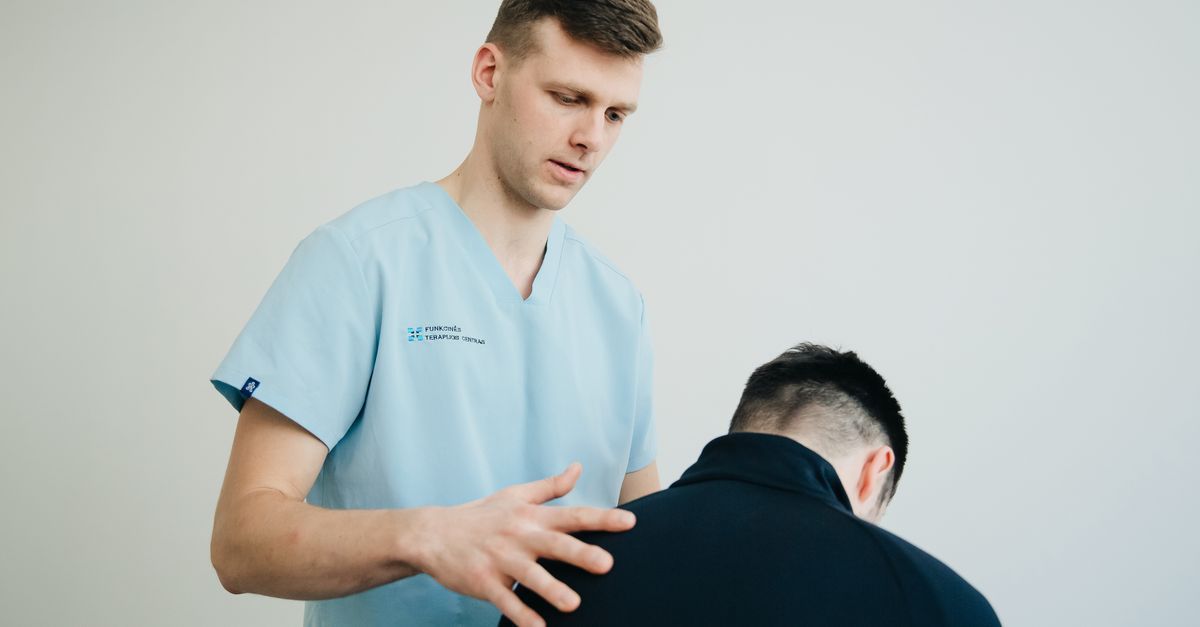
What is posture correction?
Posture describes how we hold our bodies when sitting, standing and moving. Long hours at desks and on phones, common in a busy commercial district like Seomyeon, can lead to habitual patterns such as the head drifting forward, shoulders rounding and the upper back stiffening. These patterns are not "wrong" in themselves, but staying in any position for hours can cause fatigue and pain. Posture correction (자세 교정) aims to build the strength, mobility and habits that let you change position comfortably and hold upright postures with less effort.
Who is it for?
- Office workers and students with neck, shoulder or upper back aches
- People with tension headaches linked to neck posture
- Those with low back discomfort from prolonged sitting or standing
- Anyone wanting guidance after being told they have "turtle neck" or rounded shoulders
Structural conditions such as scoliosis, Scheuermann's kyphosis or ankylosing spondylitis need medical assessment first.
What happens at the clinic
- Medical check: a doctor rules out structural or neurological problems.
- Posture analysis: front, side and back views, sometimes with photos or specialised devices.
- Movement tests: muscle length, strength and endurance of the neck, upper back, core and hips.
- Program design: exercises such as chin tucks, shoulder blade retraction, thoracic extension and core work.
- Habit training: desk set-up, phone use and regular movement breaks.
- Re-assessment: progress photos and symptom tracking after several weeks.
Treatment outlook
Many people report less pain and better endurance within weeks of consistent exercise. Changes in appearance tend to be modest and depend on how flexible the posture is. Research suggests posture is only one of many factors in pain, so programs that emphasise varied movement and strength usually help more than trying to hold one perfect position.
Risks and side effects
Exercises may cause temporary muscle soreness. Overly rigid "correct" postures can themselves become uncomfortable. Be cautious of devices or braces promising permanent correction without exercise.
Choosing a clinic for posture correction in Seomyeon
- Choose a clinic where a doctor screens for structural problems before starting.
- Ask what specific patterns they found and which exercises address them.
- Ask how progress will be measured beyond photos, such as pain and endurance.
- Ask for a home program that takes 10–15 minutes a day.
- Check pricing for programs, as many are non-covered.
For busy workers
Many Seomyeon clinics offer lunchtime and evening sessions. The station's Line 1 and Line 2 connections make it practical to fit sessions around work.
Key facts
- Common patterns: forward head, rounded shoulders, increased thoracic curve, anterior pelvic tilt, swayback
- Assessment: visual and photo analysis, movement tests, X-ray if needed
- Main treatment: targeted strengthening, mobility and endurance exercises
- Supporting care: manual therapy, ergonomic advice, habit changes
- Session length: about 30–60 minutes
- Typical program: 6–12 weeks with home exercises
- Not the same as: structural scoliosis or fixed deformity treatment
Frequently asked questions
Can bad posture be fixed?
Habitual posture can usually be improved with strengthening, mobility work and habit changes. Structural curves, such as scoliosis, cannot be fully corrected by exercise alone.
How long does posture correction take?
Many people feel better within 4–6 weeks, with programs usually lasting 6–12 weeks. Maintaining results requires ongoing exercise and good habits.
Do posture correctors work?
Braces and straps can act as reminders, but long-term use without exercise may weaken muscles. They are best used briefly alongside an exercise program.
Is posture correction covered by insurance in Korea?
Medical consultations and basic physiotherapy may be covered by National Health Insurance for enrolled patients, but posture correction programs and one-to-one sessions are usually non-covered.
What is the best sitting posture?
There is no single best posture. Sit supported with feet flat and screen at eye level, but change position often. Regular movement matters more than holding one position.
Medical disclaimer: Seomyeon.Clinic is an independent information directory. Content is for general education and does not replace a consultation with a licensed physician. Suitability, risks, results and costs vary by person and clinic. In an emergency in Korea, call 119.