
Forward Head Posture (Text Neck) Treatment in Seomyeon, Busan
Forward head posture (text neck) treatment addresses neck and shoulder pain linked to holding the head forward of the shoulders during long screen and phone use, known in Korea as "turtle neck" (거북목). In Seomyeon, spine and rehab clinics typically assess posture and take a neck X-ray, then focus on targeted exercises, workstation changes and short-term pain relief over several weeks.
Independent patient guide · Medically informative, not a substitute for a doctor's advice · Last reviewed:
What is forward head posture?
Forward head posture describes the head sitting in front of the shoulders rather than balanced above them. Holding this position for hours, while looking at a phone, laptop or monitor, increases the load on neck muscles and joints. In Korea, it is so common among students and office workers that "turtle neck syndrome" (거북목 증후군) is a household term. A side-view X-ray may show a straightened neck (loss of the normal curve, sometimes called "straight neck"), although this finding is also common in people without pain.
Symptoms and when to see a doctor
- Neck stiffness and aching at the base of the skull
- Tight upper shoulders and pain between the shoulder blades
- Tension-type headaches, often late in the day
- Fatigue when sitting for long periods
See a doctor if you have arm pain, numbness or weakness, which may indicate a disc or nerve problem, or neck pain after an injury, with fever, or with unexplained weight loss.
What happens at the clinic
- Posture and movement check: head position, shoulder rounding and neck range of motion.
- Neurological screen: to rule out nerve compression.
- X-ray: when helpful, to look at alignment and degeneration.
- Exercise plan: chin tucks, deep neck flexor training, upper back extension and shoulder blade strengthening.
- Supportive treatment: manual therapy, heat or short-term medication for pain flares.
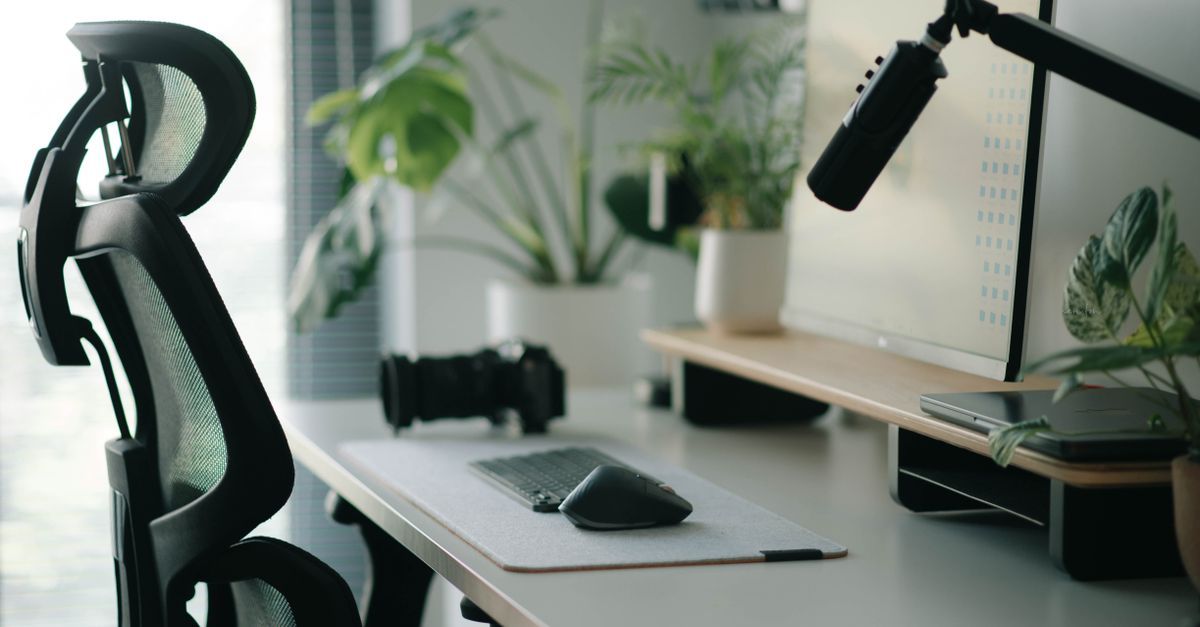
- Ergonomic advice: screen at eye level, keyboard close, regular movement breaks.
Treatment outlook
Symptoms usually improve with consistent exercise and habit changes over weeks. Posture is a habit, not a fixed structure, so lasting change comes from strength, endurance and regular breaks rather than holding a "perfect" position all day. Passive treatments alone tend to give only short-term relief. Expensive posture-correction devices or packages have limited evidence; the basics work for most people.
Risks and side effects
Exercises may cause mild soreness at first. Aggressive neck manipulation carries rare but serious risks and is not necessary for most people. Long-term reliance on painkillers is not recommended.
Choosing a clinic for text neck treatment in Seomyeon
- Choose a clinic that screens for nerve symptoms before focusing on posture.
- Ask for a specific, progressive home exercise program with clear instructions.
- Ask practical questions about your desk set-up, laptop use and phone habits.
- Be cautious about multi-session packages built mainly on machines or massage.
- Ask how progress will be measured, such as pain levels or endurance tests.
For office workers and students
Seomyeon's many offices, academies (학원) and cafes mean long screen hours are common. Several clinics near the station offer evening appointments; it is a quick metro trip from most of Busan.
Key facts
- Condition: forward head posture / text neck (거북목 증후군)
- Symptoms: neck stiffness, upper back and shoulder tension, headaches
- Assessment: posture exam, side-view neck X-ray if needed
- Main treatment: deep neck flexor and upper back strengthening, stretching
- Supportive care: manual therapy, heat, short-term medication
- Lifestyle: screen height, breaks, phone habits
- Timeline: improvement usually over 4–12 weeks of consistent exercise
Frequently asked questions
Can forward head posture be corrected?
Yes, symptoms and posture habits often improve with regular strengthening, stretching and changes in screen use. Improvement typically takes several weeks of consistent practice.
Does text neck cause headaches?
It can contribute to tension-type headaches and headaches arising from the neck. A doctor should check headaches that are new, severe or come with other neurological symptoms.
What is the best exercise for turtle neck?
Chin tucks that train the deep neck flexors are a common starting point, combined with upper back extension and shoulder blade strengthening. A therapist can tailor the program.
Do posture correctors or special pillows help?
They may remind you of posture or improve comfort, but they do not replace exercise and habit changes. Evidence for long-term benefit from devices alone is limited.
Is text neck treatment covered by insurance in Korea?
Consultations, X-rays and standard physiotherapy are generally covered by National Health Insurance for enrolled patients. Manual therapy, specialised posture programs and some devices are often non-covered.
Medical disclaimer: Seomyeon.Clinic is an independent information directory. Content is for general education and does not replace a consultation with a licensed physician. Suitability, risks, results and costs vary by person and clinic. In an emergency in Korea, call 119.