
Medical Pilates in Seomyeon, Busan
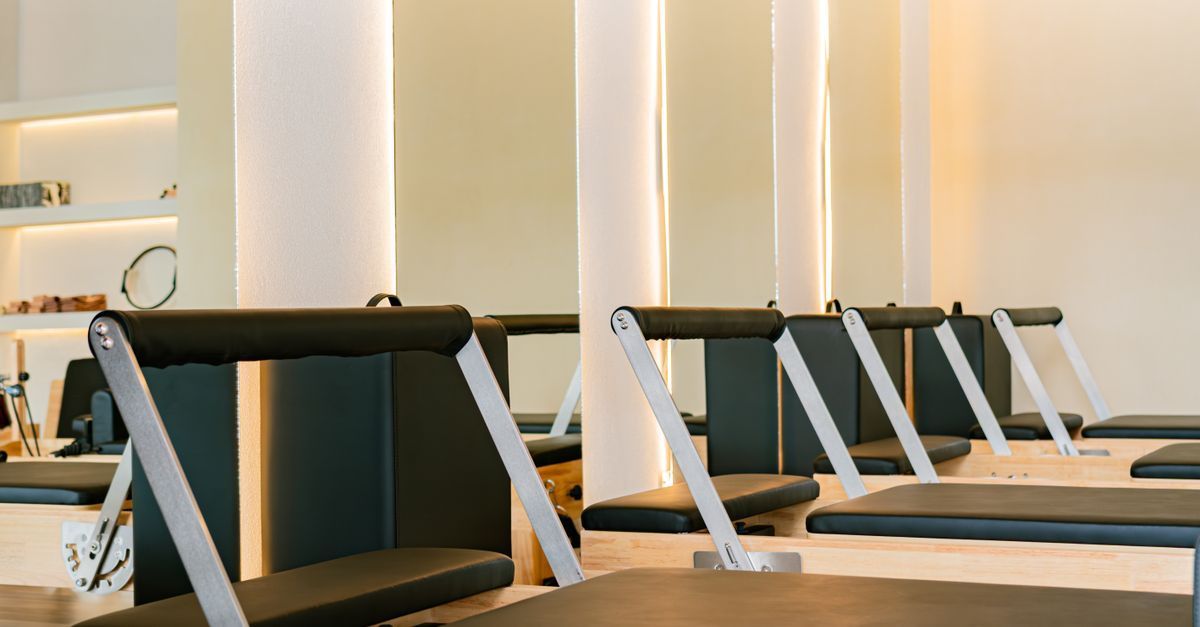
Medical Pilates is Pilates-based exercise adapted for rehabilitation, led or supervised by physical therapists to address specific conditions such as back pain, post-surgery recovery or posture problems. In Seomyeon, rehabilitation clinics typically offer one-to-one or small-group sessions of about 50 minutes using mats and equipment such as the reformer, usually once or twice a week for several weeks.
Independent patient guide · Medically informative, not a substitute for a doctor's advice · Last reviewed:
What is medical Pilates?
Pilates is a form of exercise focusing on controlled movement, breathing, core stability and alignment. Medical Pilates (의료 필라테스, 재활 필라테스) takes these principles and adapts them to a medical diagnosis, with exercises chosen and progressed according to healing timelines and individual limitations. Spring-based equipment such as the reformer can either assist or resist movement, making it useful for people who cannot yet tolerate standard gym exercise. In Korea, Pilates is very popular, and some rehabilitation clinics run therapist-led studios.
Who is it for?
- People with recurrent or chronic low back pain
- Neck and shoulder pain linked with posture
- Those finishing early rehab after knee, hip or spine surgery
- People with hypermobility needing control and stability
- Postnatal women returning to exercise, after medical clearance
It may need adapting or postponing for acute injuries, severe osteoporosis, uncontrolled blood pressure or certain pregnancy complications.
What happens at the clinic
- Medical assessment: diagnosis and any restrictions from a doctor.
- Movement assessment: posture, flexibility, core control and specific limitations.
- Individual program: mat and equipment exercises chosen for your condition.
- Progression: exercises become more challenging as control and strength improve.
- Home practice: simple mat exercises to do between sessions.
Treatment outlook
Studies suggest Pilates-based exercise can reduce pain and disability in chronic low back pain, with effects similar to other forms of exercise therapy. The best exercise is often the one you enjoy and keep doing; Pilates appeals to many people for that reason. Benefits depend on regular practice over weeks to months.
Risks and side effects
Muscle soreness is common at first. Poorly supervised advanced exercises can aggravate injuries. Tell your therapist about osteoporosis, recent surgery, pregnancy or any new symptoms so exercises can be adapted.
Choosing a clinic for medical Pilates in Seomyeon
- Ask whether sessions are led by a physical therapist or a certified instructor working with doctors.
- Ask how your diagnosis and restrictions shape the program.
- Ask about class size; one-to-one is best early in rehab.
- Check pricing and package terms, as most programs are non-covered.
- Ask whether instructions can be given in English.
Local note
Seomyeon has many Pilates studios; medical Pilates differs in its clinical oversight. If you are travelling, a few sessions can give you a home routine. The area is easily reached by Metro Lines 1 and 2.
Key facts
- Led by: physical therapists or instructors under medical guidance
- Used for: chronic low back pain, neck and shoulder pain, post-injury and post-surgery rehab, posture
- Equipment: mat, reformer, Cadillac, chair, small props
- Session length: about 50 minutes
- Format: one-to-one or small groups
- Frequency: often 1–2 times a week for 8–12 weeks
- NHI coverage: generally non-covered
Frequently asked questions
What is the difference between medical Pilates and regular Pilates?
Medical Pilates is tailored to a diagnosis and supervised by physical therapists or under medical guidance, with exercises adapted to injuries and healing. Regular Pilates classes target general fitness.
Is Pilates good for back pain?
Research suggests Pilates-based exercise can reduce chronic low back pain and improve function, with benefits similar to other structured exercise programs.
Do I need a reformer for medical Pilates?
Not always. Equipment can help assist or challenge movements, but many effective exercises use only a mat and small props.
Is medical Pilates covered by insurance in Korea?
Medical Pilates programs are generally non-covered by National Health Insurance and paid per session or package. Ask about refund policies before buying packages.
How often should I do medical Pilates?
Many programs recommend one to two supervised sessions a week, plus short home exercises, for at least 8–12 weeks to see lasting change.
Medical disclaimer: Seomyeon.Clinic is an independent information directory. Content is for general education and does not replace a consultation with a licensed physician. Suitability, risks, results and costs vary by person and clinic. In an emergency in Korea, call 119.