
Fracture Care in Seomyeon, Busan
Fracture care is the diagnosis and treatment of broken bones so they heal in good position and regain function. In Seomyeon, orthopedic clinics typically X-ray the injury on the same visit, then treat stable fractures with a splint or cast and refer unstable ones for surgery. Most bones take about 6–12 weeks to heal, with regular follow-up X-rays.
Independent patient guide · Medically informative, not a substitute for a doctor's advice · Last reviewed:
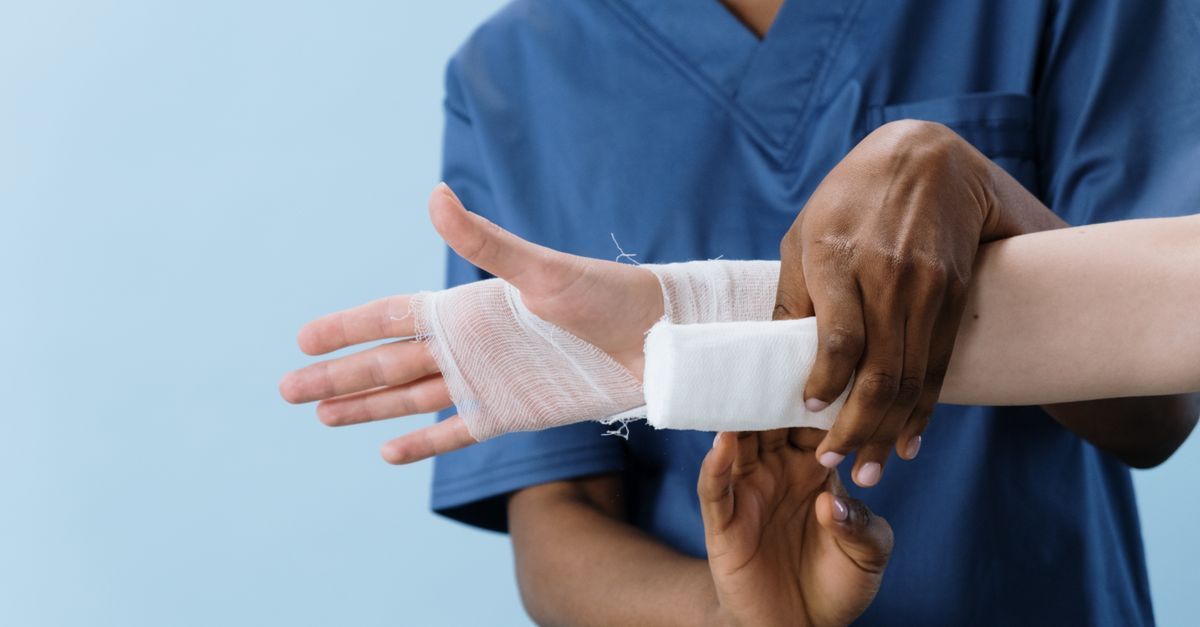
What is fracture care?
A fracture (골절) is a break in a bone, from a hairline crack to a bone broken into several pieces. Fracture care aims to align the bone, hold it still while it heals, and then restore movement and strength. Many common fractures, such as wrist, finger, toe and some ankle fractures, are managed at outpatient orthopedic clinics. More complex injuries need a hospital with an operating room.
Symptoms and when to see a doctor
- Pain, swelling and bruising after a fall or impact
- Inability to use the limb or bear weight
- Deformity, grating, or numbness beyond the injury
Call 119 or go to an emergency department for bone through the skin, a cold or pale limb, suspected hip, pelvis, neck or back fractures, or injuries with head trauma. For simpler injuries, an orthopedic clinic with X-ray is often faster.
What happens at the clinic
- Examination: checks of skin, circulation and nerves.
- X-ray: at least two views; CT if the fracture enters a joint.
- Reduction: if displaced, the bone may be realigned under local or regional anesthesia.
- Immobilisation: a splint first while swelling settles, then a cast or boot.
- Surgery referral: for unstable, displaced or joint fractures that need fixation.
- Follow-up plan: X-ray dates and warning signs to watch for.
Recovery and aftercare
Keep the limb raised for the first days to limit swelling. Move nearby joints that are not immobilised. Most adult fractures unite in about 6–12 weeks; some bones, like the scaphoid in the wrist, heal more slowly. After the cast comes off, stiffness and weakness are normal and physiotherapy helps. Smoking delays bone healing. A minor-impact fracture after age 50 should prompt a bone density check.
Risks and side effects
Possible complications include healing in poor position, slow or non-healing, joint stiffness, skin problems under a cast and, rarely, compartment syndrome, which causes severe increasing pain and needs urgent care. Surgery adds risks of infection and hardware irritation.
Choosing a clinic for fracture care in Seomyeon
- Choose a clinic with X-ray on site and a board-certified orthopedic specialist.
- Ask whether your fracture is stable, and what would change the plan to surgery.
- Ask about cast care, showering and how to spot a too-tight cast.
- If you are travelling, ask for a CD or digital copy of X-rays and an English report.
- Ask whether the cast is suitable for flying and what to do on a long flight.
For travellers
Many visitors are seen in Seomyeon after slips on stairs or wet pavements. Carry your passport and insurance details. Seomyeon is the Line 1 and Line 2 interchange, so clinics are reachable from most districts.
Key facts
- Treats: broken bones of the wrist, hand, ankle, foot, arm, ribs and more
- Diagnosis: X-ray; CT for complex joint fractures
- Non-surgical: splint, cast, boot or sling
- Surgical: plates, screws, pins or nails for displaced or unstable fractures
- Healing time: typically 6–12 weeks, longer for some bones
- Follow-up: repeat X-rays, often at 1–2 weeks and then every few weeks
- Emergencies: call 119 for open fractures, severe deformity or suspected hip or spine fracture
Frequently asked questions
How long does a broken bone take to heal?
Most adult fractures heal in about 6–12 weeks, but some take longer. Children heal faster. Full strength and movement may take additional weeks to months after the cast is removed.
Can I fly with a cast after a fracture in Busan?
Often yes, but airlines may have rules for fresh casts because of swelling. Ask the clinic whether the cast should be split or a splint used, and move frequently on the flight.
Should I go to the ER or an orthopedic clinic for a suspected fracture?
For open wounds, severe deformity, suspected hip or spine fractures, or numbness, go to an emergency department. For a suspected wrist, finger or ankle fracture you can walk with, a clinic with X-ray is usually appropriate.
Is fracture treatment covered by health insurance in Korea?
Fracture diagnosis, casting and medically necessary surgery are generally covered by National Health Insurance for enrolled patients. Visitors should check travel insurance and request receipts and medical reports.
Do all fractures need a cast?
No. Some stable fractures heal well with a splint, boot, sling or buddy-taping. Others need surgery. The fracture location and stability determine the best support.
Medical disclaimer: Seomyeon.Clinic is an independent information directory. Content is for general education and does not replace a consultation with a licensed physician. Suitability, risks, results and costs vary by person and clinic. In an emergency in Korea, call 119.