
Osteoporosis Treatment in Seomyeon, Busan
Osteoporosis treatment strengthens thinning bones to lower the risk of fractures in the hip, spine and wrist. In Seomyeon, orthopedic and internal medicine clinics typically measure bone density with a DEXA scan in about 10–20 minutes, check blood tests, then start medication plus calcium, vitamin D, exercise and fall prevention. Follow-up scans are usually every 1–2 years.
Independent patient guide · Medically informative, not a substitute for a doctor's advice · Last reviewed:
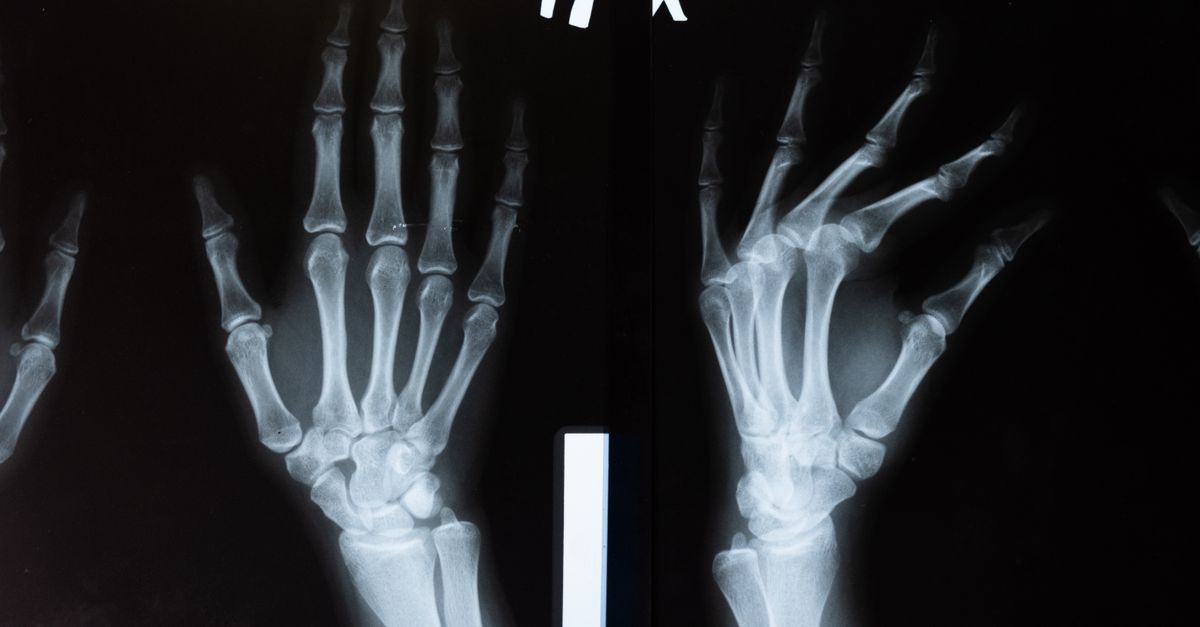
What is osteoporosis?
Osteoporosis is a condition in which bones lose density and their internal structure weakens, so they break more easily, sometimes from a simple fall or even bending and lifting. It usually causes no symptoms until a fracture occurs, which is why it is often called a silent disease. Common fracture sites are the spine (compression fractures), hip and wrist. Women after menopause are most at risk because of falling estrogen, but men are affected too.
Who should be checked?
- Women from menopause onward, especially with early menopause or low body weight
- Men over about 70, or younger with risk factors
- Anyone with a fracture from a minor fall after age 50
- Long-term users of steroids or certain hormone-blocking drugs
- People with rheumatoid arthritis, overactive thyroid, or loss of height or a stooped back
What happens at the clinic
- Risk review: fracture history, medicines, menopause, smoking and alcohol.
- DEXA scan: a quick, low-dose X-ray of the spine and hip that gives a T-score.
- Blood tests: calcium, vitamin D, kidney function and sometimes thyroid or bone turnover markers to look for secondary causes.
- Spine X-ray: if height loss or back pain suggests silent compression fractures.
- Treatment plan: medication choice, supplements, exercise and a follow-up schedule.
Treatment outlook
Medication can slow bone loss and lower fracture risk. Options include weekly or monthly tablets, yearly or quarterly IV infusions, injections every six months, and daily or monthly bone-building injections for people at very high risk. Treatment is usually long-term, with periodic review. Some medicines must not be stopped abruptly, so plan changes with your doctor.
Risks and side effects
Bisphosphonate tablets can irritate the oesophagus if not taken upright with water. IV forms may cause a short flu-like reaction. Rare but important side effects of some drugs include jaw bone problems (tell your dentist before extractions or implants) and unusual thigh bone fractures.
Choosing a clinic for osteoporosis treatment in Seomyeon
- Check that the clinic has a central DEXA scanner (spine and hip), not only a wrist or heel device.
- Ask whether blood tests for secondary causes are part of the work-up.
- Ask which medicine they recommend and how long treatment will last.
- If you have dental work planned, ask how they coordinate with your dentist.
- Ask for copies of your scan results in English so treatment can continue at home.
Local note
Bone density tests are quick, so they can easily fit into a visit. Clinics around Seomyeon are well connected by Metro Lines 1 and 2, which suits older patients avoiding long walks.
Key facts
- Condition: low bone mass and weakened bone structure (골다공증)
- Main test: DEXA bone density scan (T-score)
- Who is at risk: postmenopausal women, older men, long-term steroid users, smokers
- Medicines: bisphosphonates (tablets or IV), denosumab injections, bone-building agents for severe cases
- Supplements: calcium and vitamin D as advised
- Lifestyle: weight-bearing and balance exercise, fall-proofing the home
- Follow-up: repeat DEXA about every 1–2 years
Frequently asked questions
What is a normal bone density T-score?
A T-score of −1.0 or higher is considered normal, between −1.0 and −2.5 indicates low bone mass (osteopenia), and −2.5 or lower indicates osteoporosis in older adults.
Does osteoporosis cause pain?
Osteoporosis itself is usually painless. Pain appears when a fracture occurs, such as sudden back pain from a vertebral compression fracture, or wrist or hip pain after a fall.
Can osteoporosis be reversed?
Medication and lifestyle changes can improve bone density and substantially reduce fracture risk, though bones rarely return completely to normal. Consistent long-term treatment gives the best results.
Is a bone density test covered by insurance in Korea?
DEXA testing and osteoporosis medicines are generally covered by National Health Insurance when medical criteria are met for enrolled patients. The national screening program also includes bone density checks for some age groups.
How often should I repeat a DEXA scan?
Usually every 1–2 years once on treatment, or as your doctor advises. Changes in bone density are slow, so very frequent scans rarely add useful information.
Medical disclaimer: Seomyeon.Clinic is an independent information directory. Content is for general education and does not replace a consultation with a licensed physician. Suitability, risks, results and costs vary by person and clinic. In an emergency in Korea, call 119.