
Bone Density (DEXA) Test in Seomyeon, Busan
A bone density (DEXA) test (골밀도 검사) uses very low-dose X-rays to measure bone mineral density, usually at the lower spine and hip, to diagnose osteoporosis and estimate fracture risk. In Seomyeon, endocrinology and internal medicine clinics perform it in about 10–20 minutes while you lie still on a padded table. Results are reported as T-scores and Z-scores and explained the same day.
Independent patient guide · Medically informative, not a substitute for a doctor's advice · Last reviewed:
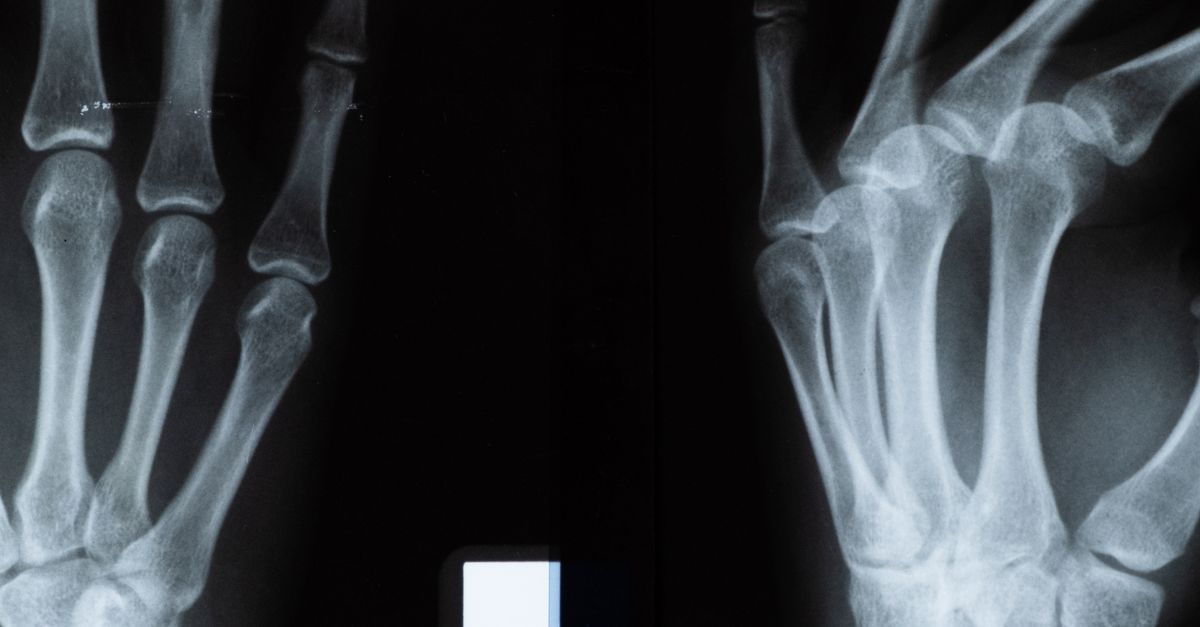
What is a bone density test?
Dual-energy X-ray absorptiometry (DEXA or DXA) is the standard method for measuring bone density. Two low-energy X-ray beams pass through the bone, and the difference in absorption reveals mineral content. Results are compared with healthy young adults (T-score) and with people your own age and sex (Z-score). Osteoporosis has no symptoms until a fracture occurs, so testing identifies people who would benefit from treatment.
Who is it for?
- Women aged 65 and over, and men aged 70 and over
- Postmenopausal women and men over 50 with risk factors
- People with a fracture from a minor fall, or height loss
- Long-term steroid users, and those with rheumatoid arthritis, hyperthyroidism, hyperparathyroidism or early menopause
- Patients on medicines that reduce bone density, such as some breast or prostate cancer treatments
- People already treated for osteoporosis, to monitor response
What happens at the clinic
- Preparation: skip calcium supplements for about 24 hours if instructed; wear clothing without metal zips or buttons.
- Positioning: you lie on your back; your legs may rest on a cushion to flatten the spine, then your hip is positioned.
- Scanning: a scanner arm passes slowly over you while you stay still; there is no tunnel or noise.
- Analysis: T-scores and Z-scores are calculated for each site.
- Explanation: the doctor reviews results with your risk factors, often combined with a fracture risk calculation.
Understanding your results
A T-score of -1.0 or above is normal. Between -1.0 and -2.5 is osteopenia (low bone mass). A score of -2.5 or lower indicates osteoporosis. In premenopausal women, younger men and children, Z-scores are used instead. Treatment decisions consider your fracture risk, not just the score. Options include calcium and vitamin D, weight-bearing and balance exercise, fall prevention, and medicines such as bisphosphonates, denosumab or bone-building agents.
Risks and limitations
Radiation exposure is very low, less than many everyday sources over a few days. Spinal arthritis, previous fractures or metal implants can falsely raise readings. Comparing results is most reliable when the same machine is used.
Choosing a clinic for bone density testing in Seomyeon
- Check that the clinic uses a central DEXA scanner, not just a heel or wrist device.
- Ask whether both spine and hip are measured.
- Ask for a fracture risk assessment alongside T-scores.
- Use the same clinic for repeat scans for consistent comparison.
- Ask about blood tests for secondary causes, such as vitamin D and calcium.
Quick and simple
No fasting or injections are needed. Clinics near Seomyeon Station, served by Lines 1 and 2, can usually fit a DEXA scan in on short notice.
Key facts
- Measures: bone mineral density at the lumbar spine and hip
- Diagnoses: osteoporosis (T-score -2.5 or lower) and osteopenia (between -1.0 and -2.5)
- Test time: about 10–20 minutes
- Radiation: very low dose
- Preparation: avoid calcium supplements on the day; remove metal
- Repeat interval: often 1–2 years, depending on results and treatment
Frequently asked questions
What does a T-score of -2.5 mean?
A T-score of -2.5 or lower at the spine or hip indicates osteoporosis. Scores between -1.0 and -2.5 suggest osteopenia. Your doctor combines the score with other risk factors to decide on treatment.
Is a DEXA scan safe?
Yes. It uses a very low dose of radiation, much less than a standard chest X-ray series. It is not recommended during pregnancy.
Who should get a bone density test?
Women 65 and over, men 70 and over, and younger adults with risk factors such as previous low-impact fractures, long-term steroid use, early menopause or certain medical conditions.
How often should bone density be checked?
Often every one to two years for people on treatment or at higher risk. Those with normal results and low risk may need testing less frequently.
Can osteoporosis be reversed?
Medicines can increase bone density and substantially reduce fracture risk. Exercise, adequate calcium and vitamin D, and avoiding smoking and excess alcohol support bone health.
Medical disclaimer: Seomyeon.Clinic is an independent information directory. Content is for general education and does not replace a consultation with a licensed physician. Suitability, risks, results and costs vary by person and clinic. In an emergency in Korea, call 119.