
Senior Health Screening in Seomyeon, Busan
Senior health screening is a check-up tailored to adults aged around 65 and over, focusing on maintaining independence as well as detecting disease. In Seomyeon, clinics and screening centres typically combine standard blood tests and heart checks with bone density, memory and mood screening, fall risk, hearing and vision tests, vaccination review and a full medicine review, adjusting cancer screening to overall health.
Independent patient guide · Medically informative, not a substitute for a doctor's advice · Last reviewed:
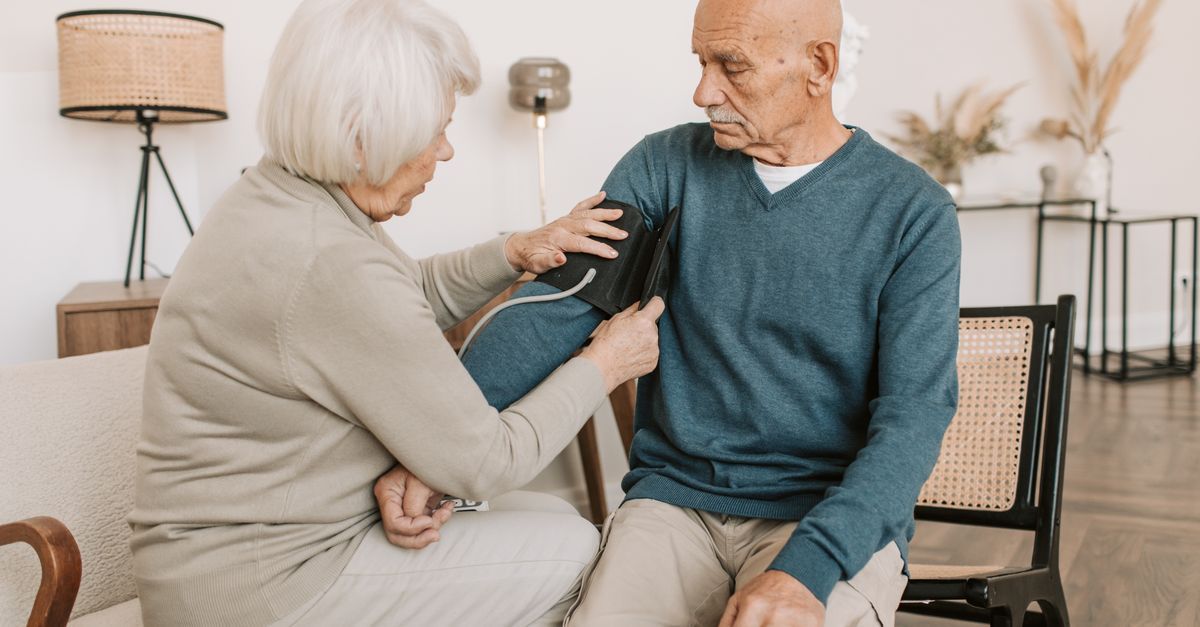
What is senior health screening?
For older adults, the goals of a health check broaden. Alongside detecting heart disease, diabetes and cancer, senior screening looks at function: memory, mood, mobility, balance, hearing, vision and nutrition, which strongly influence independence and quality of life. It also reviews medicines, since taking many drugs (polypharmacy) increases the risk of side effects, interactions and falls.
Who is it for?
- Adults aged around 65 and over
- People with several chronic conditions or many medicines
- Older adults who have had a fall, feel unsteady or have noticed memory changes
- Family members arranging care for a parent visiting or living in Busan
Sudden confusion, weakness on one side, facial drooping, slurred speech or chest pain need 119 immediately rather than a screening visit.
What happens at the clinic
- Health history: conditions, medicines, falls, continence, sleep, diet and daily activities; a family member can help.
- Measurements and tests: blood pressure lying and standing, weight, blood and urine tests, ECG and chest X-ray.
- Bone and balance: bone density scan, gait and balance assessment, and a fall-risk review.
- Memory and mood: brief cognitive and depression screening questionnaires.
- Senses and vaccines: hearing and vision tests, eye pressure, and a vaccine plan; results are discussed with a clear action list.
After screening
Typical outcomes include medicine adjustments, osteoporosis treatment, referral for hearing aids or cataract evaluation, physiotherapy or balance training, and vaccinations. Abnormal cognitive screening leads to further memory assessment. Cancer screening decisions after about 75 are individualised, weighing likely benefits against risks such as sedation or bowel preparation.
Risks and limitations
Bowel preparation and sedation can be harder for older adults, with greater risk of dehydration or confusion, so plans should be tailored. Screening questionnaires are not diagnoses; further assessment confirms any concern. Over-testing can lead to burdensome follow-up without benefit.
Choosing a senior screening in Seomyeon
- Look for a clinic that includes falls, memory, hearing and vision, not just blood tests.
- Ask for a full medicine review, including supplements and herbal products.
- Ask whether endoscopy or colonoscopy is appropriate given overall health.
- Check accessibility, including lifts, seating and wheelchair access.
- Ask whether a family member can attend the results discussion.
Getting there comfortably
Seomyeon's metro stations have lifts and escalators, and taxis are plentiful for those who find walking difficult. Choose morning appointments to avoid crowds.
Key facts
- Core tests: blood pressure, blood and urine tests, ECG, chest X-ray
- Ageing-focused checks: bone density, cognitive screening, mood, falls and balance
- Senses: hearing and vision, including cataract and glaucoma checks
- Medicines: review of all prescriptions and supplements
- Vaccines: flu, pneumococcal, shingles, COVID-19 as advised
- Cancer screening: individualised by health and life expectancy
- Companion: family member welcome to help with history
Frequently asked questions
What should seniors be screened for?
Blood pressure, diabetes, cholesterol and kidney function, plus bone density, falls and balance, memory and mood, hearing and vision, vaccination status and a full medicine review. Cancer screening is individualised.
Should people over 75 still have colonoscopy?
It depends on overall health, previous results and personal preferences. For some, benefits decrease while risks of bowel prep and sedation increase. Discuss with your doctor.
Why is a medicine review important for older adults?
Many seniors take several medicines, raising risks of side effects, interactions, dizziness and falls. A review can stop unnecessary drugs and adjust doses.
Is a memory test part of senior screening?
Brief cognitive screening is often included. An abnormal result does not mean dementia but may lead to a fuller memory assessment.
Which vaccines do seniors need?
Commonly annual flu, pneumococcal, shingles and COVID-19 vaccines, plus tetanus boosters. Your doctor will check your records and recommend a schedule.
Medical disclaimer: Seomyeon.Clinic is an independent information directory. Content is for general education and does not replace a consultation with a licensed physician. Suitability, risks, results and costs vary by person and clinic. In an emergency in Korea, call 119.