
Electrotherapy (TENS) in Seomyeon, Busan
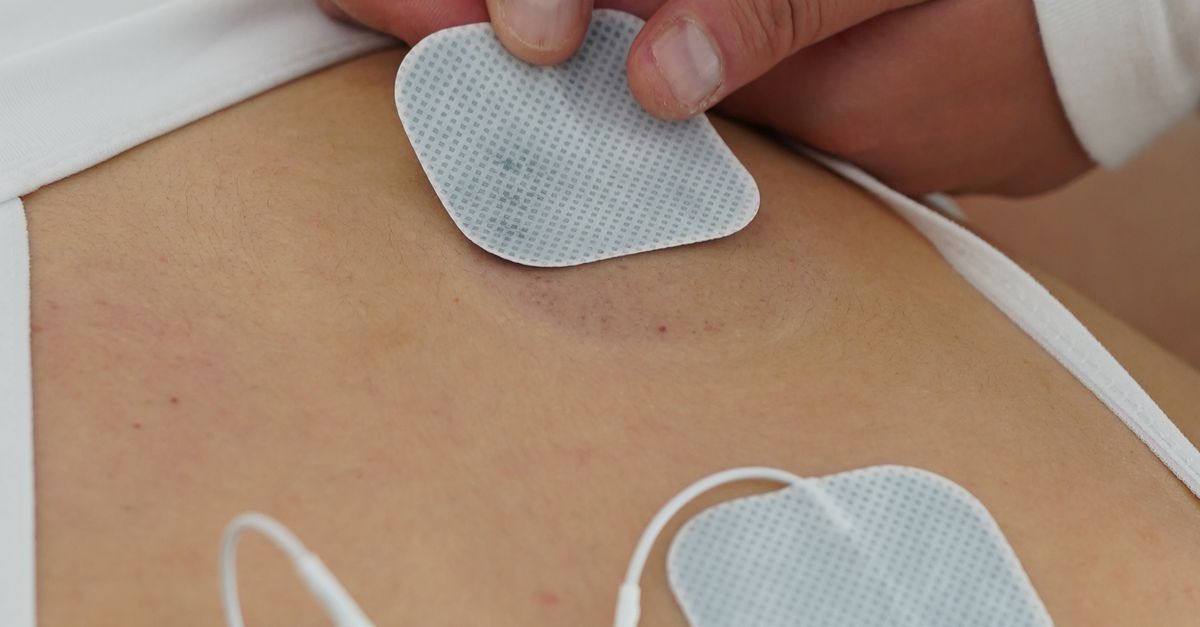
Electrotherapy (TENS) uses mild electrical currents delivered through skin pads to reduce pain or stimulate muscles. TENS (transcutaneous electrical nerve stimulation) and interferential current are common in Korean physiotherapy rooms. In Seomyeon, clinics typically apply it for about 10–20 minutes as part of a therapy session. It can ease pain short-term but works best alongside exercise.
Independent patient guide · Medically informative, not a substitute for a doctor's advice · Last reviewed:
What is electrotherapy?
Electrotherapy (전기치료) covers several treatments that pass small electrical currents through the skin. TENS is thought to reduce pain by stimulating sensory nerves that "close the gate" on pain signals in the spinal cord and by encouraging the release of natural pain-relieving chemicals. Interferential current (ICT), very common in Korean clinics, uses two crossing currents to reach deeper tissues comfortably. Neuromuscular electrical stimulation (NMES) causes muscles to contract and is used to help activate weak muscles, such as the quadriceps after knee surgery or arm muscles after stroke.
Who is it for?
- People with neck, back or joint pain as part of a physiotherapy session
- Those recovering from knee or other surgery with difficulty activating muscles
- Stroke survivors working on muscle activation
- People with chronic pain who benefit from a home TENS unit
It should be avoided or used only with medical advice in people with pacemakers or other implanted electrical devices, epilepsy (near the head or neck), active cancer in the treatment area, pregnancy (over the abdomen or lower back), and over broken or numb skin.
What happens at the clinic
- Prescription: a doctor includes electrotherapy in your physiotherapy plan.
- Skin check: the area is checked for sensation and skin integrity.
- Pad placement: adhesive or suction pads are placed around the painful area or over target muscles.
- Intensity setting: increased to a strong but comfortable tingling, or a visible contraction for NMES.
- Treatment: usually 10–20 minutes, often combined with heat.
- Exercise: followed by active exercises or manual therapy.
Treatment outlook
TENS and interferential therapy may reduce pain during and shortly after use, though research results are mixed and effects tend to be short-lived. NMES has better evidence for helping regain muscle strength after surgery in some situations. Electrotherapy is most useful as a support that makes exercise easier, not as a stand-alone treatment.
Risks and side effects
Mild skin irritation from pads is the most common issue. Burns are rare but possible with incorrect use, especially on numb skin. Turn off devices before moving pads.
Choosing a clinic for electrotherapy in Seomyeon
- Ask how electrotherapy fits into your overall plan and what else you will do.
- Ensure staff ask about implants, pregnancy and skin sensation.
- Ask whether NMES would help if muscle activation is a problem.
- If interested in home TENS, ask for guidance on settings and pad placement.
- Be wary of plans that rely mainly on machines without exercise.
Local note
Electrotherapy is a standard part of physiotherapy at most clinics around Seomyeon Station, reachable via Metro Lines 1 and 2.
Key facts
- Types: TENS and interferential current (pain relief), NMES (muscle stimulation)
- Used for: back, neck, joint and muscle pain; muscle weakness after surgery or stroke
- Session time: about 10–20 minutes
- Sensation: tingling or buzzing; muscle twitching with NMES
- Avoid with: pacemakers or implanted devices, over the front of the neck, pregnant abdomen, broken skin
- Home use: portable TENS units available
- NHI coverage: basic electrotherapy is commonly covered for enrolled patients
Frequently asked questions
What does TENS feel like?
Most people feel a tingling or buzzing sensation under the pads. The intensity is adjusted to strong but comfortable. It should not be painful.
Does TENS really work for pain?
TENS may reduce pain for some people during and shortly after use. Research results are mixed, so it is best used as a supporting treatment alongside exercise.
Who should not use TENS?
People with pacemakers or implanted devices, and pregnant women over the abdomen, should avoid it unless medically approved. It should not be used on broken or numb skin or the front of the neck.
Is electrotherapy covered by insurance in Korea?
Basic electrotherapy as part of physiotherapy is commonly covered by National Health Insurance for enrolled patients. Home TENS units are usually purchased privately.
TENS vs NMES: what is the difference?
TENS targets sensory nerves to reduce pain. NMES stimulates motor nerves to make muscles contract, helping rebuild strength after surgery or neurological injury.
Medical disclaimer: Seomyeon.Clinic is an independent information directory. Content is for general education and does not replace a consultation with a licensed physician. Suitability, risks, results and costs vary by person and clinic. In an emergency in Korea, call 119.