
Spinal Traction Therapy in Seomyeon, Busan
Spinal traction therapy applies a gentle, controlled pulling force to the neck or lower back to separate the vertebrae slightly and reduce pressure on discs and nerves. In Seomyeon, rehabilitation and spine clinics usually deliver it on a motorised table for about 10–20 minutes as part of physiotherapy. Some people with nerve-related pain find it helpful, though evidence is mixed.
Independent patient guide · Medically informative, not a substitute for a doctor's advice · Last reviewed:
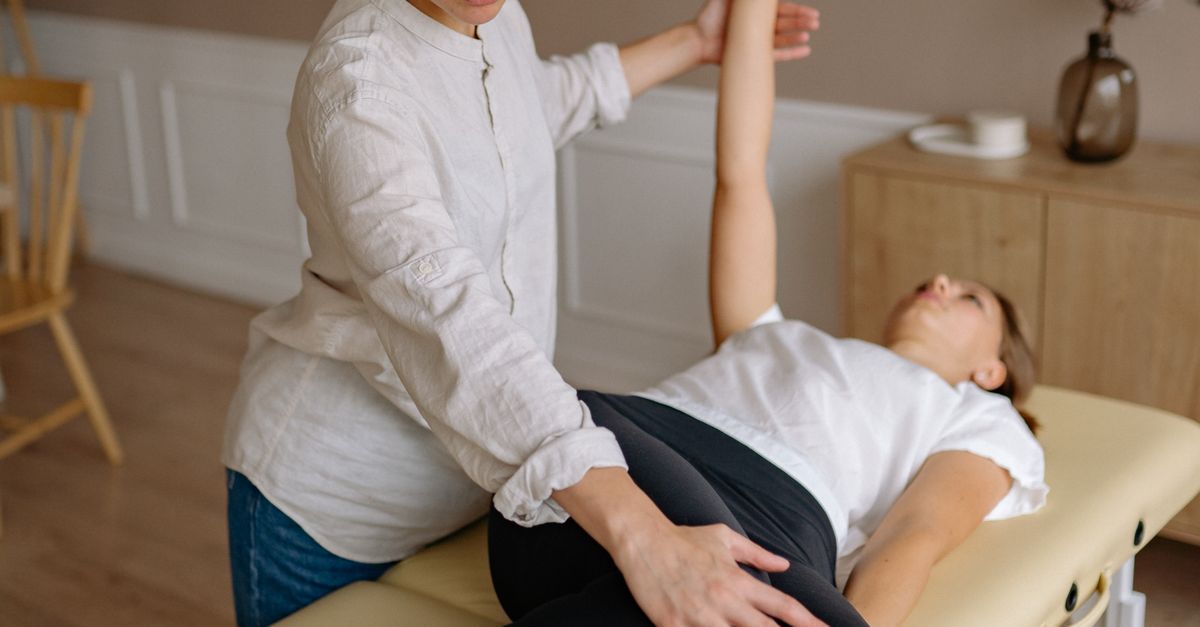
What is spinal traction?
Spinal traction (견인치료) gently stretches the spine. The idea is to slightly widen the spaces between vertebrae and where nerves exit, relax muscles and reduce pressure on irritated nerve roots. Korean physiotherapy rooms often have motorised traction tables for the neck and lower back, typically used in combination with heat and electrotherapy. Some clinics also offer computerised "non-surgical spinal decompression" systems, a variation of traction that is usually non-covered and whose added benefit over standard traction is not clearly proven.
Who is it for?
- Neck pain with arm symptoms from a disc or narrowed nerve exit
- Lower back pain with sciatica from a disc herniation, in selected cases
- People who find traction relieves symptoms during a trial session
Traction is avoided with fractures, significant osteoporosis, spinal instability, tumours, infections, recent spinal surgery, uncontrolled high blood pressure and, for lumbar traction, pregnancy. Cervical traction is used cautiously in people with rheumatoid arthritis or certain artery problems.
What happens at the clinic
- Medical assessment: diagnosis and imaging review to ensure traction is safe.
- Positioning: you lie on the table with a harness around the pelvis and chest (lumbar) or a head support (cervical).
- Setting force: started low and adjusted to comfort, often as a percentage of body weight.
- Treatment: intermittent pulling and releasing cycles, or sustained traction, for 10–20 minutes.
- Response check: symptoms are reviewed; traction is stopped if arm or leg symptoms worsen.
Treatment outlook
Some people feel noticeable relief during and after traction, particularly those with nerve-related symptoms. However, systematic reviews have found limited and inconsistent evidence that traction adds benefit beyond other physiotherapy for most back pain. It is best viewed as a possible adjunct to exercise and education, continued only if it clearly helps.
Risks and side effects
Temporary soreness or increased pain can occur. Rarely, symptoms worsen, particularly if traction is unsuitable for the condition. Tell staff immediately if pain, numbness or dizziness increases during treatment.
Choosing a clinic for traction therapy in Seomyeon
- Ensure a doctor has reviewed your diagnosis and imaging first.
- Ask how force and duration are set and adjusted.
- Ask whether traction is combined with active exercise.
- Ask whether any "decompression" device is covered and what evidence supports it.
- Stop and review if there is no improvement after several sessions.
Practical note
Wear clothing that lets the harness fit comfortably. Traction is offered at many clinics near Seomyeon Station, easy to reach on Lines 1 and 2.
Key facts
- Types: cervical (neck) and lumbar (lower back) traction; intermittent or sustained
- Used for: nerve root pain from disc herniation, some neck and back pain
- Session time: about 10–20 minutes
- Setting: motorised traction table in the physiotherapy room
- Course: often several sessions a week for a few weeks
- Avoid with: fractures, severe osteoporosis, spinal instability, tumours, infection
- Coverage: standard traction commonly NHI-covered for enrolled patients; spinal decompression devices often not
Frequently asked questions
Does spinal traction work for a herniated disc?
Some people with nerve-related symptoms feel relief, but research shows limited and inconsistent benefit overall. It is typically used alongside exercise and continued only if it helps.
What does traction feel like?
Most people feel a gentle stretching or pulling sensation that should be comfortable. Tell staff if it causes pain, numbness or discomfort, so settings can be changed.
Who should not have traction?
People with spinal fractures, severe osteoporosis, instability, tumours, infection, recent spinal surgery, or pregnancy (for lumbar traction) should generally avoid it.
Is traction therapy covered by insurance in Korea?
Standard traction as part of physiotherapy is commonly covered by National Health Insurance for enrolled patients. Computerised decompression systems are often non-covered.
Is home traction safe?
Some home cervical traction devices exist, but use them only after advice from a doctor or physiotherapist, who can confirm suitability and teach correct settings.
Medical disclaimer: Seomyeon.Clinic is an independent information directory. Content is for general education and does not replace a consultation with a licensed physician. Suitability, risks, results and costs vary by person and clinic. In an emergency in Korea, call 119.